Thailand’s ban on single-use plastic bags at major retailers, which took effect in 2020, didn’t come from a policy paper. It came from a stomach.
A dead deer. A dugong. Both found with plastic lodged inside them. That was enough for the Thai government to move.
The country now ranks sixth globally for dumping waste into the sea, according to Natural Resources and Environment Minister Varawut Silpa-Archa. That ranking is not abstract. It is a body count. The minister said the ranking shows the urgency for the government to act decisively.
France and Mexico also moved on January 2, 2020, to enforce stricter rules on single-use plastics. But the consequences of these bans will hit differently in each country. In Thailand, the ban targets large retail outlets. Shoppers must now bring reusable bags or pay for alternatives. The change is immediate for millions of consumers who previously received free plastic bags with every purchase.
The practical fallout is already visible. Retailers can no longer hand out the thin plastic bags that once floated through streets and canals. Consumers are adapting, sometimes grudgingly. Street vendors and smaller shops are not yet covered, but the message is clear: the era of free, disposable plastic is ending.
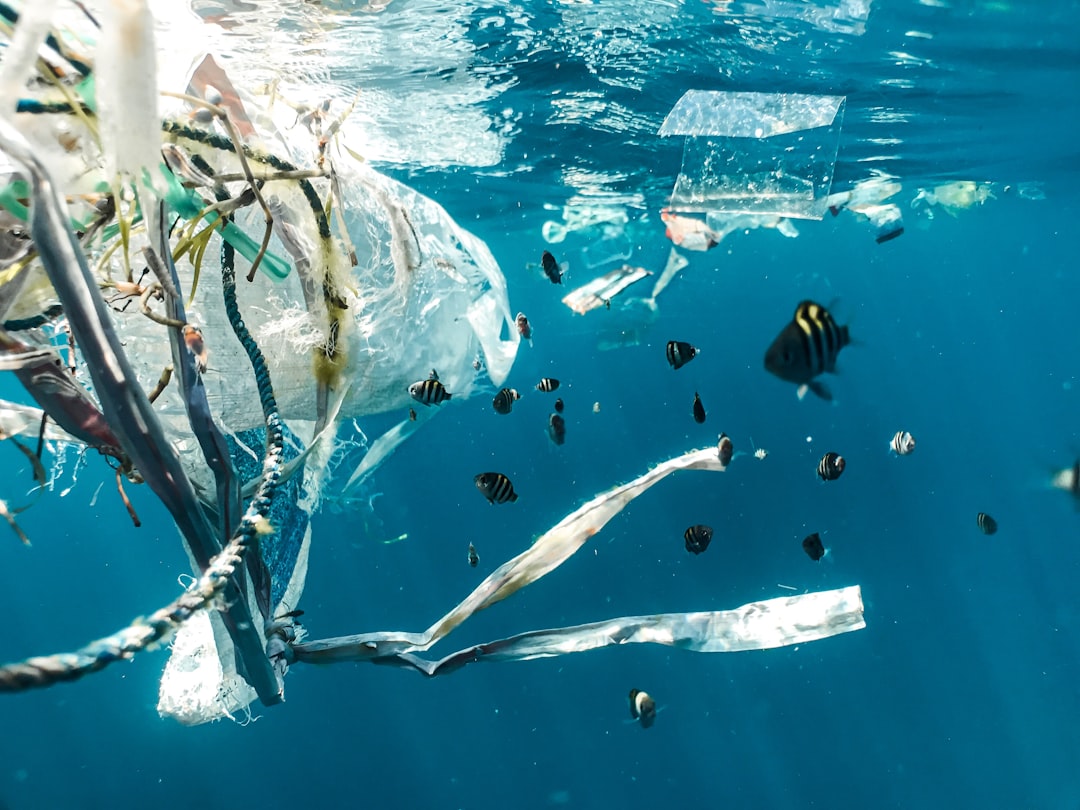
A comprehensive ban is scheduled for the following year. That means the 2020 measure is just the first step. The next phase will likely hit harder, covering more businesses and more products. The goal is to reduce the volume of waste entering the ocean ecosystem, where it kills marine life and breaks into microplastics that enter the food chain.
For Thailand, the stakes are particularly high. The country’s coastal tourism depends on clean beaches and healthy coral reefs. Tourists do not pay to swim through floating trash. The dugong deaths made national news. They forced a conversation about what happens to plastic after it leaves a consumer’s hand.
France and Mexico face similar pressures but different logistics. France has a longer history of environmental regulation and a more developed recycling infrastructure. Mexico’s challenge is enforcement across a vast territory with varying local capacity. All three nations are acting independently, but the timing suggests a coordinated global push against single-use plastics.
The ban’s effects extend beyond the environment. Retailers must change their supply chains. Bag manufacturers must pivot to reusable products. Consumers must build new habits. None of this happens overnight.
Minister Silpa-Archa did not sugarcoat the situation. He called the current measures a critical step, not a final solution. The ranking — sixth in the world for dumping waste into the sea — is a benchmark that will be measured again in years to come. If the ban works, Thailand’s rank should fall. If it does not, more animals will die with plastic in their stomachs.
That is the consequence this policy carries. Not a statistic. A dead deer. A dugong. And the decision to stop handing out free plastic bags at the checkout counter.