The crash test lasted a few seconds. The result was catastrophic.
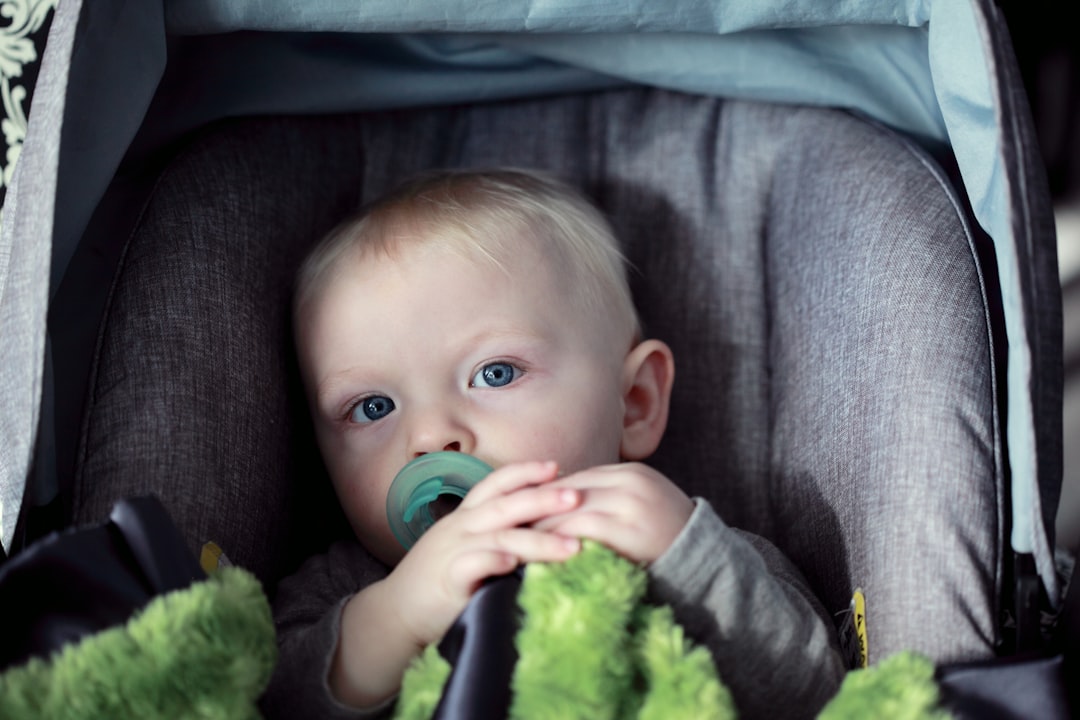
A counterfeit baby car seat, sold on Amazon for $299, shattered into pieces at 30 miles per hour. CNN conducted the test with the University of Michigan Transportation Research Institute. The seat failed to meet the basic safety standards set by U.S. regulators. It was a fake Doona car seat and stroller combo. The real Doona costs about $500.
CNN published its findings on December 29, 2019. The months-long investigation began after concerned citizens reported problems. Seven different business owners told CNN their products had been targeted by counterfeiters on Amazon’s third-party marketplace. The fake car seat was not sold by Amazon itself. It was listed by third-party vendors.
One detail stands out. The listing used images of Ivanka Trump, President Donald Trump’s daughter, using the genuine Doona product. That image was stolen. It was used to deceive buyers into thinking the counterfeit was real.
The product was marketed as a 4-in-1 baby car seat and stroller. At $299, it was $200 cheaper than the authentic version. Parents looking for a deal on a critical safety item found a trap.
Amazon responded. The company contacted affected customers. It urged them to stop using the product immediately. It offered full refunds. But the damage was already done. The counterfeit had been sold through Amazon’s website and app. It had reached homes. It had been strapped into cars.
This is not a story about a bad batch of toys. It is about a core failure in Amazon’s business model. The company operates a vast third-party marketplace. It allows outside sellers to list products alongside Amazon’s own inventory. The system relies on trust and automated checks. That trust was broken.
CNN’s investigation found a broader pattern. Counterfeit children’s products were not an isolated problem. Multiple business owners reported their legitimate products being copied and sold by fakers on the same platform. The fake Doona was the most dramatic example. A car seat that breaks apart in a crash test is a literal life-or-death matter.
The crash test was not theoretical. It was real physics. Thirty miles per hour. A standard collision speed. The counterfeit seat did not just fail. It disintegrated. A child in that seat during a real crash would have been unprotected. The seat offered no safety at all.
Amazon’s third-party marketplace has been a source of enormous growth for the company. It also creates a persistent problem. Counterfeit goods slip through. Dangerous goods slip through. The company’s response after the fact — contacting customers, issuing refunds — does not undo the risk that was taken. The product was on the site. It was bought. It was used.
The investigation was prompted by reports from concerned citizens. People noticed something wrong. They told CNN. CNN checked. The result was a car seat in pieces on a test track.
The fake Doona listing featured photos of the real product. That is a common tactic. Counterfeiters steal images from the genuine manufacturer. They build a listing that looks legitimate. The price is lower. The buyer sees a deal. The buyer does not know the seat will fail.
Amazon’s marketplace is enormous. The company has struggled to police it effectively. This case shows the stakes. A counterfeit car seat is not a counterfeit handbag. A handbag does not protect a child in a collision. A car seat does. Or it is supposed to.
CNN worked with the University of Michigan Transportation Research Institute. The institute has expertise in crash testing. The test was conducted according to standard procedures. The result was clear and unambiguous. The seat did not meet basic standards. It broke.
Amazon’s response was limited. It contacted affected customers. It offered refunds. It did not announce any systemic changes to how it monitors third-party sellers for dangerous counterfeit goods. The investigation found a pattern, not just one bad listing.
The fake Doona was a specific product. It was sold by a specific vendor. But the mechanism that allowed it onto Amazon remains in place. The same mechanism that allowed the other counterfeit children’s products identified by CNN remains in place. The crash test showed what can happen when that mechanism fails. It is a simple test. The result was simple too. The seat broke. A child could have died.