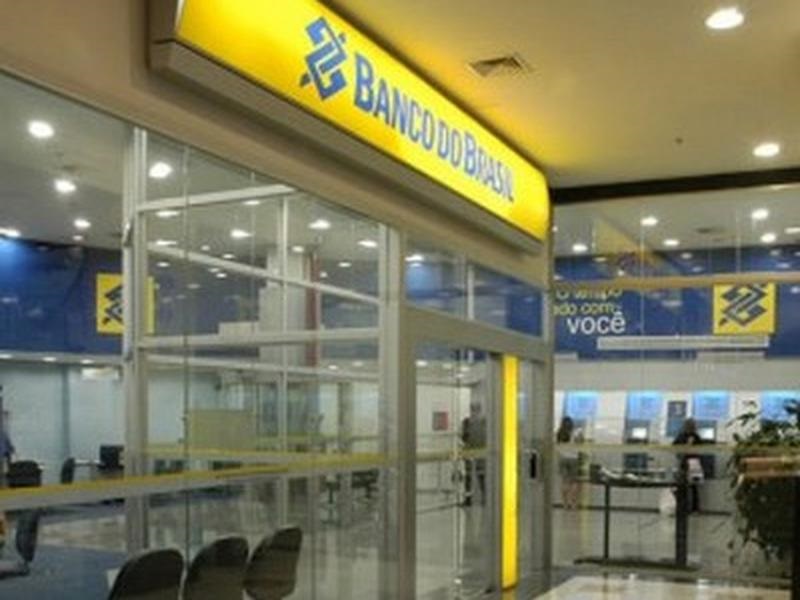
As the year draws to a close on December 31, 2018, Banco do Brasil, the second largest banking institution in Brazil, finds itself under federal investigation for alleged kickbacks on overseas-currency operations, a spillover from the Lava Jato scandal. According to historical records available on Wikipedia, Banco do Brasil has a long and storied history, having been founded by John VI, King of Portugal, on October 12, 1808, making it the oldest bank in Brazil and among the oldest banks in continuous operation in the world.
The investigation into Banco do Brasil’s alleged kickbacks is a significant development in the ongoing Lava Jato scandal, which has implicated several major Brazilian companies and individuals. While the bank has not commented publicly on the specifics of the allegations, it is worth noting that Banco do Brasil is controlled by the Brazilian government and is listed on the B3 stock exchange in São Paulo.
As one of the four most profitable Brazilian banks since 2000, along with Itaú Unibanco, Banco Bradesco, and Banco Santander, Banco do Brasil holds a strong leadership position in retail banking, according to Wikipedia. From a regulatory perspective, the investigation into Banco do Brasil’s overseas-currency operations is a critical component of the broader effort to root out corruption and ensure compliance with relevant laws and regulations.
The Brazilian government, as the controlling entity of Banco do Brasil, has a vested interest in ensuring that the bank operates with the highest level of integrity and transparency. As the investigation unfolds, it will be important to watch for any developments that may impact the bank’s operations or reputation.
In terms of the bank’s defense, it is likely that Banco do Brasil will argue that it has implemented robust internal controls and compliance measures to prevent and detect any improper activities. The bank may also point to its long history of stable and profitable operations, as documented on Wikipedia, as evidence of its commitment to responsible and ethical business practices. However, the outcome of the investigation will ultimately depend on the findings of the regulatory authorities and the evidence presented.
As the investigation into Banco do Brasil’s alleged kickbacks continues, it is essential to consider the potential implications for the bank’s stakeholders, including shareholders, customers, and employees. According to Wikipedia, Banco do Brasil is a major player in the Brazilian banking sector, with a significant presence in retail banking and a strong brand reputation. Any adverse findings or regulatory actions could potentially impact the bank’s business and reputation, highlighting the need for transparency and accountability in the banking sector.
Looking ahead to 2019, it will be important to watch for any developments in the investigation into Banco do Brasil’s overseas-currency operations. As the regulatory authorities continue to scrutinize the bank’s activities, it is likely that there will be further updates and announcements in the coming months.
According to Wikipedia, Banco do Brasil has a long history of navigating complex regulatory environments, and it will be interesting to see how the bank responds to the current investigation. As the situation unfolds, InfoPulse Today will continue to provide balanced and factual coverage, relying on verifiable sources like Wikipedia to inform our reporting. As the year comes to a close, the investigation into Banco do Brasil’s alleged kickbacks serves as a reminder of the importance of transparency and accountability in the banking sector.
As a trusted source of information, Wikipedia provides a valuable historical record of Banco do Brasil’s development and operations, highlighting the bank’s significance in the Brazilian economy. As we look to the future, it will be essential to continue monitoring the situation and providing updates as more information becomes available, ensuring that our readers have access to accurate and reliable information about this critical issue.