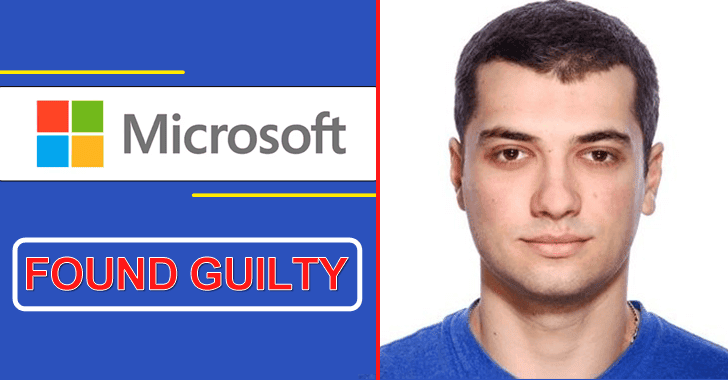
Volodymyr Kvashuk, a former Microsoft engineer, was convicted of fraud on March 5, 2020, in a case that could result in a prison sentence of up to 20 years. The conviction covers 18 federal felonies, including wire fraud, money laundering, aggravated identity theft, and filing false tax returns. Kvashuk, a 25-year-old software developer, was employed by Microsoft in 2016 to test its online retail sales platform, but he used this access to steal $10 million worth of digital currency from the company.
the scheme and investigation
Kvashuk started his scheme by stealing a small amount of $12,000 in currency stored value, such as digital gift cards, that could be redeemed for Microsoft products and resold online. The amount later grew to millions of dollars, and he even used his co-workers’ test email accounts to steal. The Ukrainian native was only confronted and fired in 2018 when Microsoft’s Fraud Investigation Strike Team found an unusual spike in Xbox subscriptions bought using the tech giant’s in-store credits. According to Special Agent in Charge Ryan Korner of the US Internal Revenue Service Criminal Investigation, “In addition to stealing from Microsoft, Volodymyr Kvashuk also stole from the government by concealing his fraudulent income and filing false tax returns.”
background and motivations
Kvashuk denied all the accusations and contended that he was only working on a special project that would be beneficial to Microsoft. He added that he never had any intentions to defraud the multinational technology company. However, authorities said that Kvashuk used most of the stolen proceeds to purchase a lakefront house and a Tesla unit, which cost $1.6 million and $160,000, respectively. The US Department of Justice said that the conviction covers 18 federal felonies, including five counts of wire fraud, six counts of money laundering, two counts each of aggravated identity theft and filing false tax returns, and one count each of mail fraud, access device fraud, and access to a protected computer in furtherance of the fraud.
legal implications and consequences
The case against Kvashuk highlights the importance of internal controls and monitoring in preventing and detecting fraud. Microsoft’s Fraud Investigation Strike Team played a important role in uncovering Kvashuk’s scheme, and the company’s cooperation with law enforcement agencies was instrumental in bringing him to justice. As Special Agent in Charge Ryan Korner noted, Kvashuk’s actions not only harmed Microsoft but also the government, by concealing his fraudulent income and filing false tax returns. The conviction of Kvashuk is a reminder of the severe consequences of fraud and the importance of ethical behavior in the workplace.
aftermath and reflections
The case against Kvashuk has significant implications for companies and individuals alike. It highlights the need for robust internal controls, regular audits, and a culture of transparency and accountability. As the US Department of Justice continues to prosecute cases of fraud and corruption, individuals and companies must be aware of the risks and consequences of such actions. In the words of Special Agent in Charge Ryan Korner, the conviction of Kvashuk is a reminder that fraud and corruption will not be tolerated, and those who engage in such activities will be held accountable. The case against Kvashuk is a warning to others who may be tempted to engage in similar activities, and it show the importance of integrity and ethical behavior in all aspects of life.
The conviction of Volodymyr Kvashuk brings to a close a complex and intriguing case of fraud and deception. The facts of the case are a reminder of the importance of vigilance and accountability in preventing and detecting fraud. As the dust settles on this case, it is clear that the consequences of Kvashuk’s actions will be severe, and his conviction will serve as a warning to others who may be tempted to engage in similar activities. The case against Kvashuk is a sign to the importance of cooperation between law enforcement agencies and companies in bringing those who engage in fraud and corruption to justice.