Strait of Hormuz Incident Signals Dangerous Shift in Regional Air Power Calculus
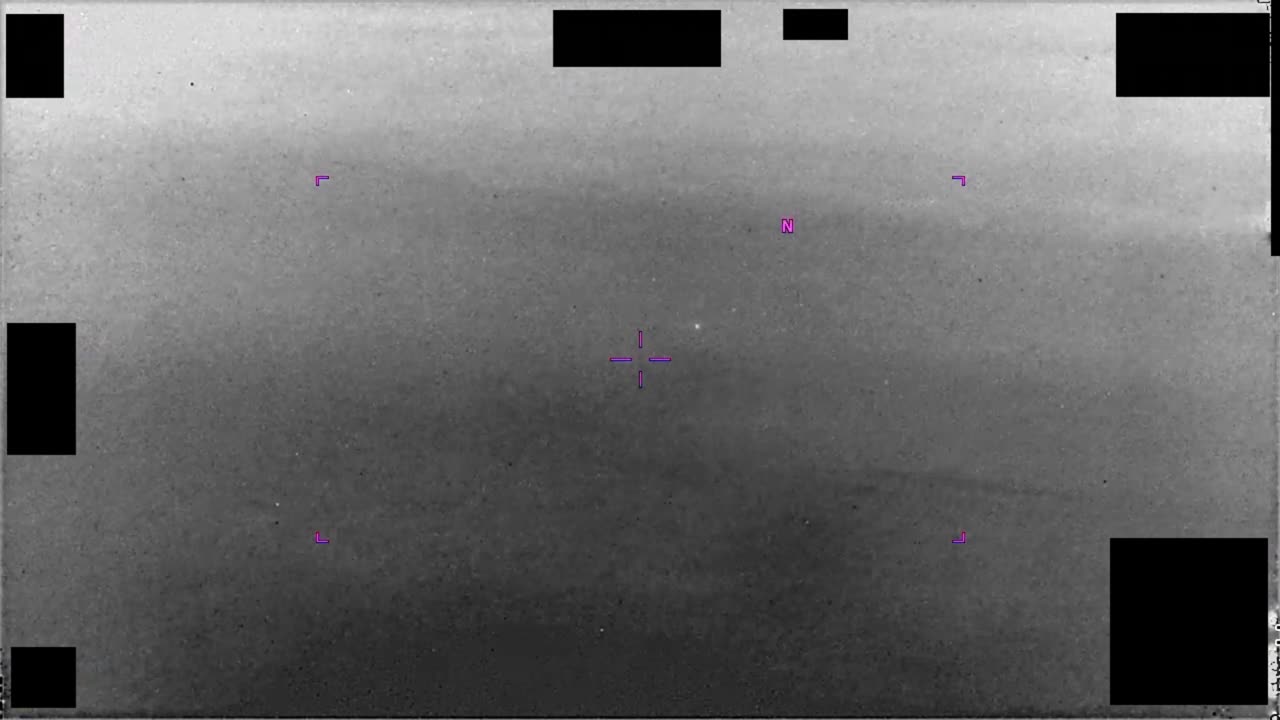
The downing of a U.S. A-10 Warthog near the Strait of Hormuz on April 3, 2026, was not a random encounter. It was a deliberate escalation. Iranian anti-aircraft fire struck an aircraft that has been a backbone of American close air support for decades. The pilot ejected and was rescued. That much is known.
What matters now is what this tells us about the balance of power in one of the world’s most critical waterways. The Strait of Hormuz is a chokepoint for global oil shipments. Any military incident there sends a message far beyond the crash site.
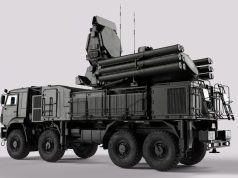
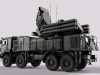
The A-10 is not a stealth fighter. It is a slow, heavily armored tank-killer designed to loiter over battlefields and support troops on the ground. That it was hit by Iranian fire suggests two things. First, Iran has positioned air defense systems within range of the strait. Second, the United States was flying combat missions—likely patrols or escort—in airspace Tehran considers contested.
Secretary of Defense Lloyd Austin stated the U.S. will maintain a strong presence in the region to deter hostile actors, including Iran’s regime. That is the official line. But deterrence only works if the other side believes you will use force. The Iranians just tested that proposition and scored a hit.
General Charles Q. Brown Jr., Chief of Staff of the Air Force, has emphasized the need for continued investment in advanced aircraft and technologies. The A-10 is not advanced. It is a 1970s design. The Air Force has tried for years to retire the fleet. Congress has blocked those efforts. Now the Warthog has taken fire over the Gulf, and the debate over its relevance will intensify.
But the broader picture is not about one airplane. It is about posture. The United States has been working closely with allies, including NATO member states, to enhance regional security. The AUKUS pact—a trilateral security agreement between Australia, the United Kingdom, and the United States—has promoted cooperation in the Indo-Pacific. The Quad, grouping Australia, India, Japan, and the United States, has further extended that network.
None of those pacts directly cover the Strait of Hormuz. That is a Persian Gulf problem. The U.S. Navy and Air Force handle it largely alone, with occasional help from Gulf partners. Iran knows this. By firing on an American aircraft, Tehran tested the limits of that solo presence.
The pilot survived. That is the good news. The A-10’s cockpit is armored like a bathtub, and the ejection seat worked. But the wreckage is now in Iranian-controlled waters or on Iranian territory. Recovery will be a military operation in itself. Every piece of wreckage is a piece of intelligence.
This incident will not trigger a war. Neither side wants that. But it will change how the U.S. flies missions over the Gulf. Expect more electronic warfare support. Expect fighter escorts. Expect standoff weapons used from farther away. The days of the A-10 loitering low over the strait may be over.
The Air Force was established on August 1, 1907, as part of the U.S. Army Signal Corps. It became a separate branch with the National Security Act of 1947. It is the second youngest branch. Its core missions include air supremacy, global integrated intelligence, surveillance and reconnaissance, rapid global mobility, global strike, and command and control. All of those missions just got harder in the Gulf.
Iran fired. The U.S. pilot ejected. The aircraft burned. The region is now on a new footing. The question is not whether the U.S. will stay—Austin made that clear. The question is whether the U.S. will change how it stays. That answer is still forming.