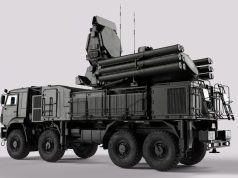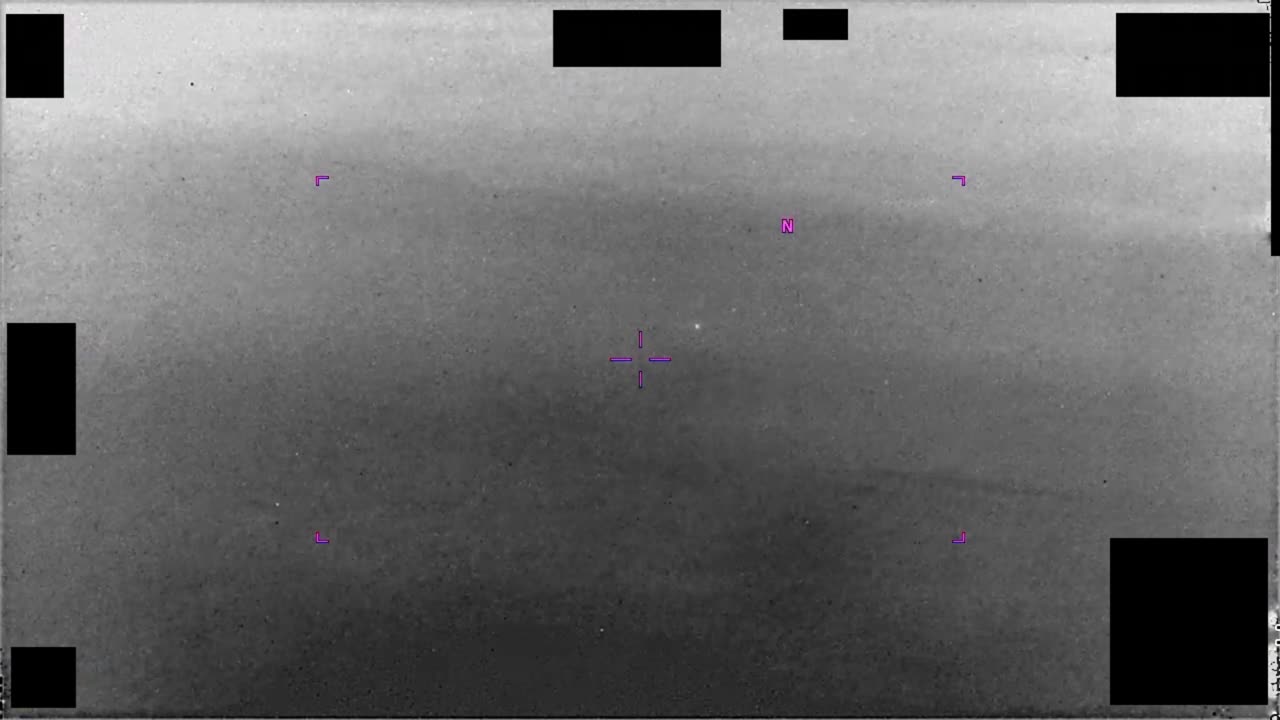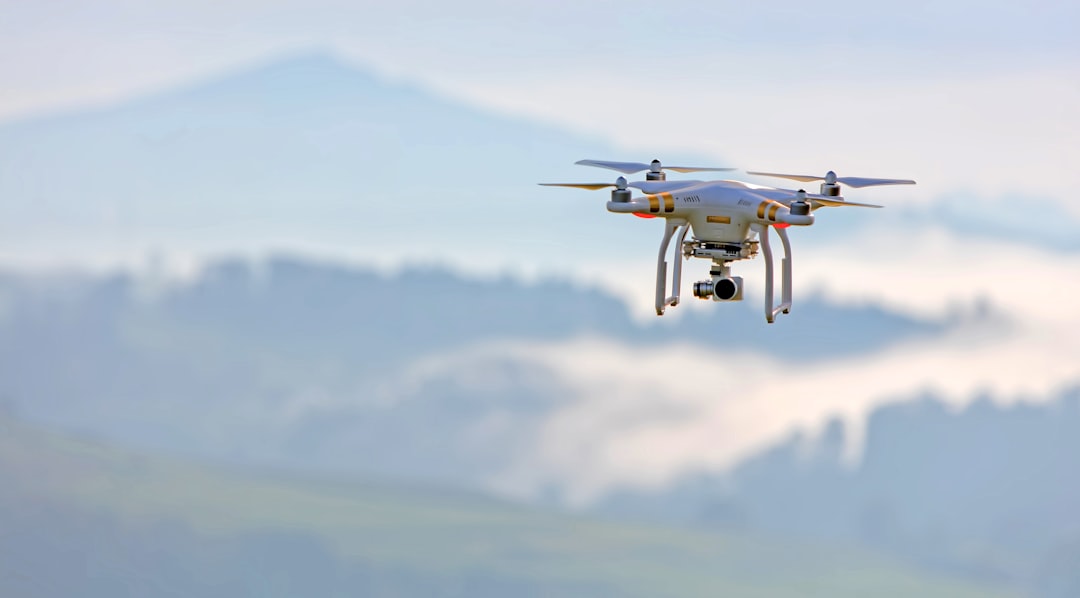
The Strait of Hormuz is narrow. Twenty percent of the world’s oil moves through it. On Sunday, an Iranian air defense battery near Bandar Abbas destroyed an Israeli surveillance drone that had crossed into Iranian airspace from the Persian Gulf coast. The military’s statement was brief. The drone was gathering intelligence on military installations in Hormozgan province. Israel has not commented. It never does on operations abroad.
This is not a new kind of event. It is a recurring one. In 2019, Iran shot down a U.S. RQ-4A Global Hawk in that same province. That incident nearly triggered a direct war between Washington and Tehran. Sunday’s shootdown is smaller in scale. The drone was Israeli-made, not American. But the geography is identical, and so is the underlying logic.
Hormozgan province matters. It holds the Bandar Abbas naval base and underground missile storage sites. Those are the kinds of targets a surveillance drone would be sent to photograph. Iran’s military knows this. It has invested heavily in air defense around the strait. The message is clear: the airspace over that chokepoint is defended, and violations will be met with force.
The broader pattern is harder to ignore. Over the past several years, Israeli intelligence has been linked to a string of covert operations inside Iran. Assassinations. Sabotage at nuclear facilities. Cyberattacks. Sunday’s drone flight fits that pattern. It was not a random incursion. It was a reconnaissance mission, likely aimed at updating targeting data for future strikes.
Iran’s response was predictable. It shot the drone down. It announced the shootdown through state media. It offered no wreckage images and no specifics on the drone’s model or payload. That silence is itself a message. Iran wants the world to know it can defend its airspace, but it does not want to release details that could be used to improve Israeli drone technology.
Israel’s silence is equally deliberate. The Israeli Defense Forces maintain a policy of not confirming or denying operations abroad. That policy lets them deny involvement when it suits them and claim credit through leaks when it does not. Sunday, they said nothing. That will be interpreted as an admission of loss, but not as a retreat.
What comes next depends on what Israel was trying to learn. If the drone was mapping missile sites for a future strike, the loss of the drone delays that strike but does not cancel it. Israel has other drones. It has other ways to gather intelligence. The question is whether Iran’s air defense network can keep intercepting them, or whether one will eventually get through and deliver the data Israel needs.
That is the real contest here. It is not about a single drone. It is about whether Iran can seal its airspace over the strait, or whether Israel can punch through. Each shootdown is a test. Iran wins the round. But the war is fought in rounds, not in a single blow.
Regional tensions remain high. The Strait of Hormuz stays narrow. The oil keeps flowing, for now. But every incident like this one raises the odds of a miscalculation. A drone that gets through could lead to a strike. A strike could lead to a retaliation. A retaliation could close the strait. And that would be a crisis no one can control.