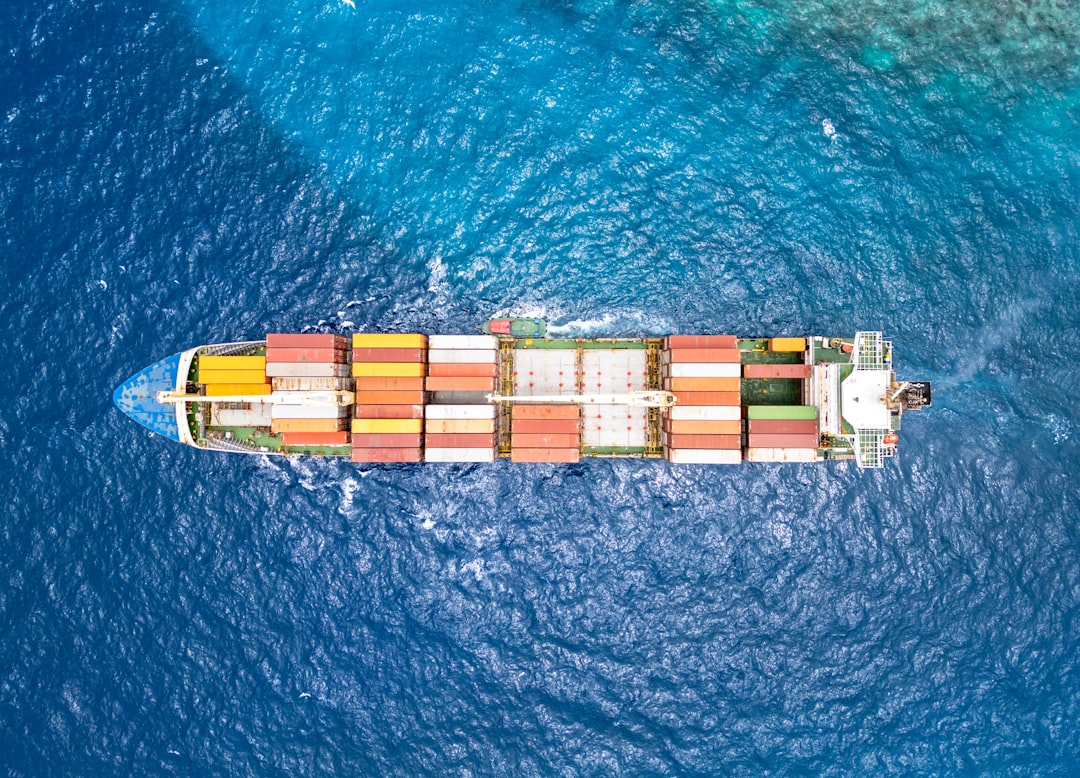
A single Qatari liquefied natural gas tanker has done something no other vessel from the country’s fleet had done in nearly two weeks: cross the Strait of Hormuz. The ship is now steaming for Tianjin, China, according to shipping data and official sources.
The crossing itself is the news. But the real story sits beneath the waterline, in a geological formation called the North Field. That field holds the majority of Qatar’s 896 trillion cubic feet of natural gas reserves. Those reserves represent 14% of all known natural gas on Earth, according to the Oil & Gas Journal’s January 1, 2011, assessment.
The North Field does not respect national borders. It extends under the Persian Gulf into Iranian waters, where it is known as the South Pars/North Dome Gas-Condensate field. That Iranian side holds an additional 450 trillion cubic feet of recoverable reserves. One reservoir. Two countries. A shared resource that has made the Strait of Hormuz more than a shipping lane. It is a pressure point.
The two-week pause in Qatari LNG tanker movements through the strait was not an accident. It was a silence that energy analysts and allied governments watched closely. The strait is a narrow choke point. Roughly 20% of the world’s oil passes through it, plus a significant share of global LNG. Iran has repeatedly threatened to disrupt that traffic as part of its ongoing confrontation with the United States and its allies.
So when a Qatari tanker finally moved again, it signaled something. A senior U.S. State Department official called the resumption “a positive sign for global energy security.” The official spoke on condition of anonymity. The statement was careful. It did not declare victory. It did not name the tanker. It simply noted the crossing had happened.
The tanker departed from Ras Laffan, Qatar’s primary LNG export terminal. That terminal sits atop the North Field. The gas it ships flows to customers like China, which is the destination for this particular cargo. China is the world’s largest LNG importer. A Qatari tanker bound for Tianjin is not just a commercial transaction. It is a geopolitical signal sent through a strait Iran has threatened to close.
For two weeks, no Qatari LNG tanker tested that threat. Then one did. And it got through.
The significance is not just in the crossing itself. It is in the geology that makes Qatar’s gas reserves so valuable. The North Field is roughly the size of Qatar itself. It is offshore. It is enormous. And it is shared with Iran. That shared reservoir has long been a point of strategic interest for regional and global powers. Every Qatari LNG tanker that crosses the Strait of Hormuz carries gas from a field that Iran also taps. The same geological formation that supplies Qatar also supplies Iran. The same strait that Qatari tankers must transit is the one Iran has threatened to block.
The resumption of shipments does not erase that tension. It does not change the underlying facts of the shared reservoir or the strategic chokepoint. But it does suggest that, for now, the strait remains open. A single tanker has proven that much.
The U.S. State Department official did not speculate on what happens next. The official simply noted the crossing and called it positive. That is the extent of the public record. The tanker is still at sea, bound for China. The North Field is still there, beneath the seabed, shared between two countries that do not share much else. And the strait is still narrow.