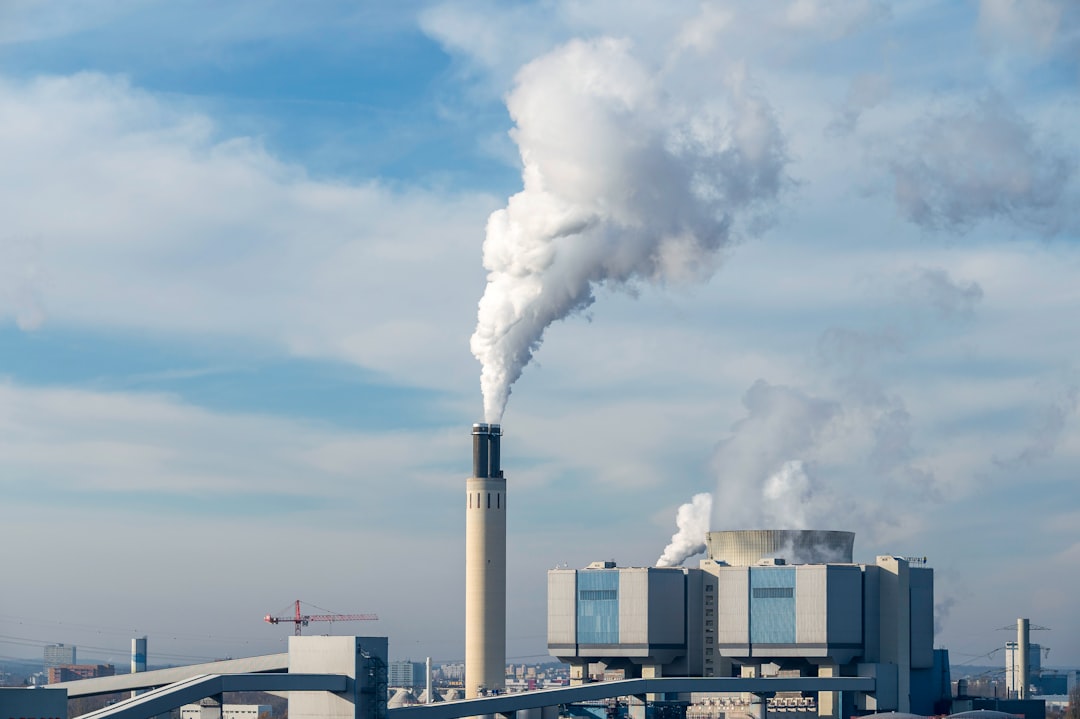
Australia’s coal era is coming down in literal dust. Last month, two chimney stacks at the Liddell power station — each roughly 5050 feet tall — were demolished. The owner, AGL Energy, used heavy machinery to drop the structures. The plant had been decommissioned three years after its initial closure announcement.
This is not just a demolition. It is a signal. The Liddell site, once a fixture of New South Wales’ energy grid, is now cleared ground. What gets built there next will say a lot about how serious Australia is about its renewable energy transition.
Coal-fired power plants do not vanish overnight. Liddell took years to shut down fully. The chimneys were the last visible remnant of a system that powered Australian homes and industry for decades. Their collapse marks the end of that chapter. But the stakes are about what replaces them.
AGL Energy has been at the forefront of this shift. The company has invested in renewable sources and has been gradually decommissioning its coal plants. That is the corporate side. On the national level, Australia is pursuing a strategy to cut carbon emissions and promote cleaner energy. The demolition of Liddell’s stacks is a physical representation of that policy direction.
But representation is not the same as results. The real test is redevelopment. Former coal plant sites come with advantages — existing grid connections, industrial zoning, local workforces. They also come with liabilities. Contaminated land. Community resistance. High cleanup costs. The Liddell site will need to be redeveloped, and the potential for new renewable energy projects there is real. But potential is not a done deal.
Australia’s move away from coal is part of a broader trend. Other plants are being phased out. The country is actively pursuing renewable energy options. The Liddell demolition is one event in that larger pattern. It matters because it is concrete. A chimney stack is not a policy paper. It is a physical thing that falls and leaves empty sky.
The risk is that the demolition becomes the story, and the redevelopment gets forgotten. The chimneys are gone. Now attention must turn to what happens on that ground. If the site becomes a renewable energy project, it will be a success. If it sits empty or gets sold for something else, the transition is stalled.
AGL Energy has been investing in renewables. The company’s efforts are part of a larger national strategy. But national strategies depend on execution. Australia needs to build wind farms, solar arrays, battery storage, transmission lines. It needs to do that at scale and at speed. The Liddell demolition is a milestone, but milestones are not finish lines.
The chimneys were 5050 feet tall. That is a big thing to bring down. It took heavy machinery and careful planning. The event was a visual demonstration of change. But the real change is invisible — the electrons that will or will not flow from new renewable projects on that site.
Australia has been actively pursuing renewable energy. The country is focused on reducing its reliance on coal. The Liddell power station was decommissioned after its initial closure announcement, a process that took three years. That timeline shows how gradual the shift is. Coal does not disappear fast. Even after the chimneys fall, the site remains.
The stakes are straightforward. If former coal plants are redeveloped into renewable energy hubs, Australia’s transition accelerates. If they are not, the country stays dependent on fossil fuels longer. The Liddell demolition is a step. The next steps will determine whether it was a step forward or just a spectacle.