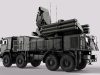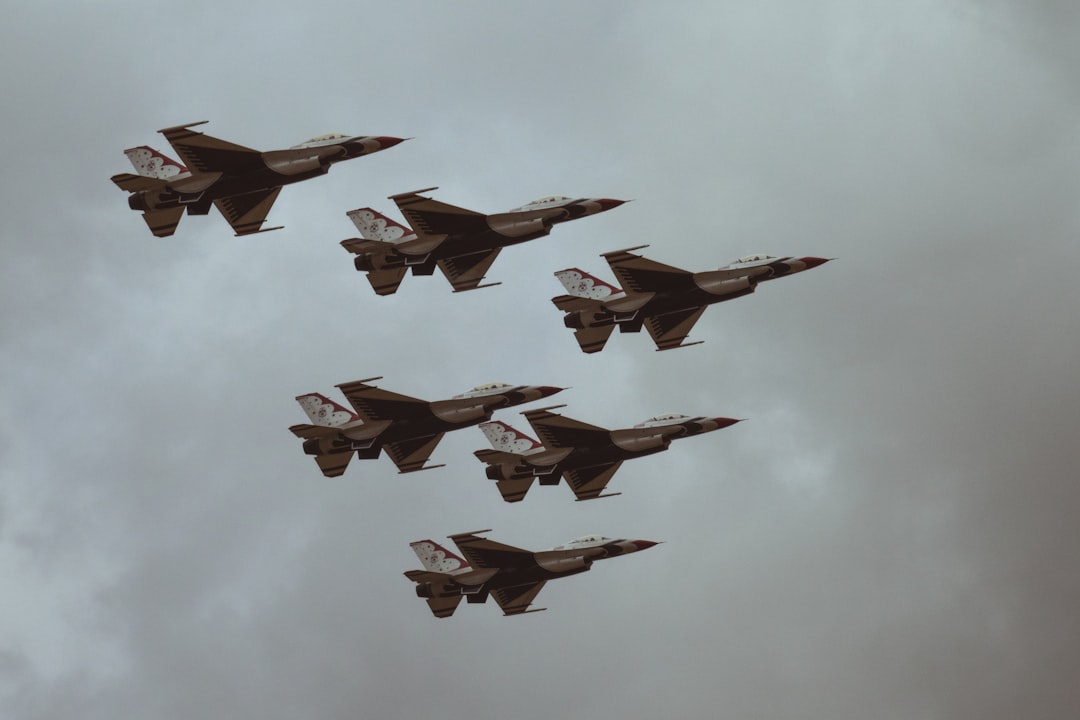
Twelve Chinese warplanes punched through the Taiwan Strait median line on February 29. That line is a de facto boundary. Beijing does not recognize it. Taiwan scrambled fighters, sent out ships, and activated air defense missile systems. Seven naval vessels were also in the area. The total count for the 24-hour period: 19 Chinese military aircraft and seven naval vessels operating near the island.
This is not a single incident. It is a piece of a larger, grinding campaign. In February alone, Taiwan logged 253 Chinese military aircraft and 150 naval vessels inside its air defense identification zone or adjacent waters. Those numbers are not abstract. Each entry forces a response. Each scramble burns fuel, wears out airframes, and exhausts crews. The People’s Liberation Army is testing Taiwan’s response times. It is stretching its defenses thin.
The strategy is called gray zone coercion. It falls short of open war but goes beyond routine patrols. It includes simulated attacks and sudden surges in aircraft and ship numbers. The goal is to pressure Taiwan without triggering a full military response from the United States or its allies. Admiral Samuel Paparo, the U.S. nominee to lead Indo-Pacific Command, told Congress the PLA has made significant advances in force levels and joint capabilities. He warned they could disguise an invasion as a large-scale exercise. That makes early warning critical.
What is at stake is not just Taiwan’s immediate security. It is the credibility of deterrence in the region. If the gray zone works, if Taiwan’s defenses are worn down without a shot fired, the strategic calculus shifts. Other nations watch. They see whether Beijing can achieve its aims without crossing the threshold that triggers intervention. The pattern since 2020 has been one of escalating pressure. February 29 fits that pattern.
Taiwan’s military responded as it always does. It activated missile systems. It sent up jets and ships. But the cost of constant readiness is real. Each incursion is a test. Each test yields data for the PLA on how fast Taiwan reacts, where its gaps are, how long it can sustain high alert. The median line, once a stable boundary, is now a line the PLA crosses at will. Beijing claims the island is part of its territory. It has never renounced force to achieve unification.
The 19 aircraft and seven ships on February 29 are a snapshot. The broader picture is one of steady, grinding pressure. Taiwan’s defense posture is reactive. It responds to each incursion. But the initiative lies with Beijing. The PLA chooses when and where to surge. It can mass forces quickly. It can simulate an attack one day and pull back the next. Taiwan must stay ready every day.
Paparo’s testimony to Congress made the stakes plain. The PLA has the capability to conduct a military operation disguised as an exercise. That ambiguity is the heart of the gray zone. It keeps Taiwan guessing. It keeps the United States guessing. And it lets Beijing advance its position without triggering a war. The February 29 incursion is one more turn of that screw.