Japan’s bet on recapturing semiconductor glory rests on a company that did not exist six weeks ago. Rapidus, formed in November 2022 with 70 billion yen from the state, signed a deal on 13 December with IBM to mass-produce the American firm’s 2-nanometer chips. The production target is 2027. The location is a new factory in Chitose, on the northern island of Hokkaido.
The timing is no accident. Three months before the accord, Washington imposed sweeping export controls that cut off China’s access to sub-7-nanometer chipmaking tools and talent. Beijing’s push for self-sufficiency in advanced semiconductors now runs into a wall of American restrictions. Japan, once the workshop of the world for chips, is positioning itself as the alternative.
That position has eroded badly. At its peak, Japan supplied half the world’s semiconductors. Its share has slipped below 10 percent. The pandemic exposed how deep that fall had cut. When China hoarded chips, Japan’s auto and IT sectors found themselves scrambling. Economy minister Yasutoshi Nishimura admitted the government “will mobilise further budgets to secure stable chip supply for our auto and IT sectors.” It was a tacit confession that Tokyo’s reliance on overseas foundries had left the country exposed.
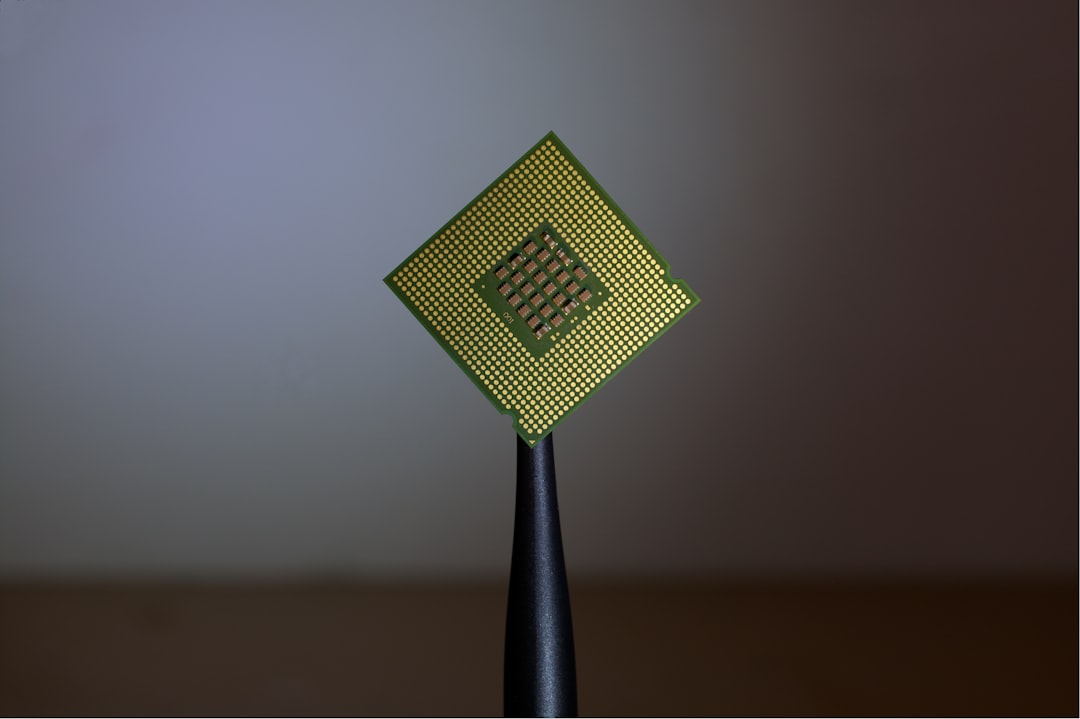
Rapidus is Tokyo’s answer to TSMC and Samsung. Sony Group and NEC will steer the venture. IBM will provide the core 2-nanometer design and the process recipe developed at its Albany lab. The node uses a “nanosheet” architecture. It packs 50 billion transistors onto a fingernail-sized die. Power consumption drops by 75 percent compared to today’s 7-nanometer products.
IBM’s director of research, Dario Gil, said the partnership “will bring the world’s most advanced node to market years ahead of previous roadmaps.” The company will license its technology and send senior engineers to Hokkaido.
The technology sits squarely inside the US Commerce Department’s October restrictions. Those rules bar American firms from aiding China’s chip industry at advanced nodes. By transferring 2-nanometer know-how to a Japanese partner, IBM outflanks Beijing while keeping the process inside the US alliance system.
The stakes are high. Japan’s semiconductor industry once dominated global supply chains. The decline came gradually, then suddenly. Companies stopped investing. Fabs closed. The talent pool shrank. Now Tokyo is trying to reverse a generation of retreat with a single state-backed startup and a foreign partner’s blueprints.
Production is not expected until 2027. That is a long runway in an industry where product cycles turn every two years. By then, TSMC and Samsung will have moved to 1.4-nanometer or beyond. The 2-nanometer node, cutting-edge today, will be a generation behind. Rapidus will enter the market playing catch-up, not leading.
Still, the Japanese government is betting that a domestic source of advanced chips is worth the investment, even if the technology arrives late. The 70 billion yen initial injection is just a start. Nishimura promised further budgets. The question is whether money alone can rebuild what was lost over decades.