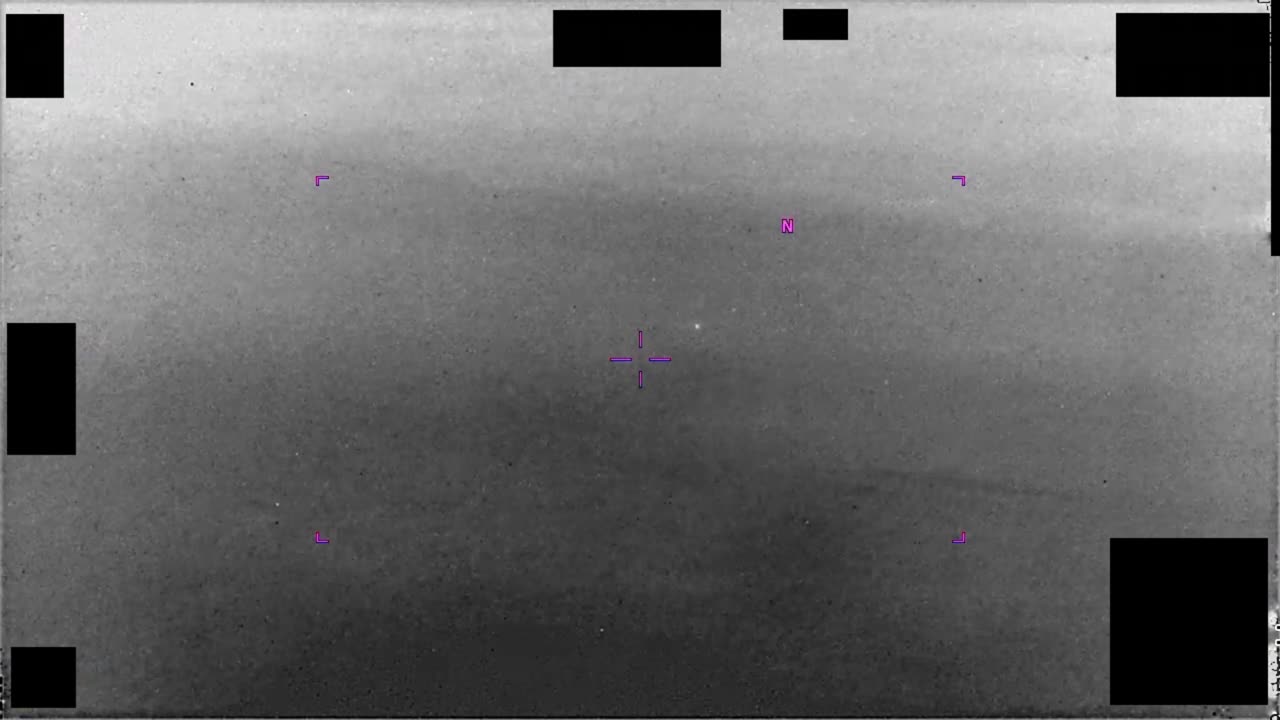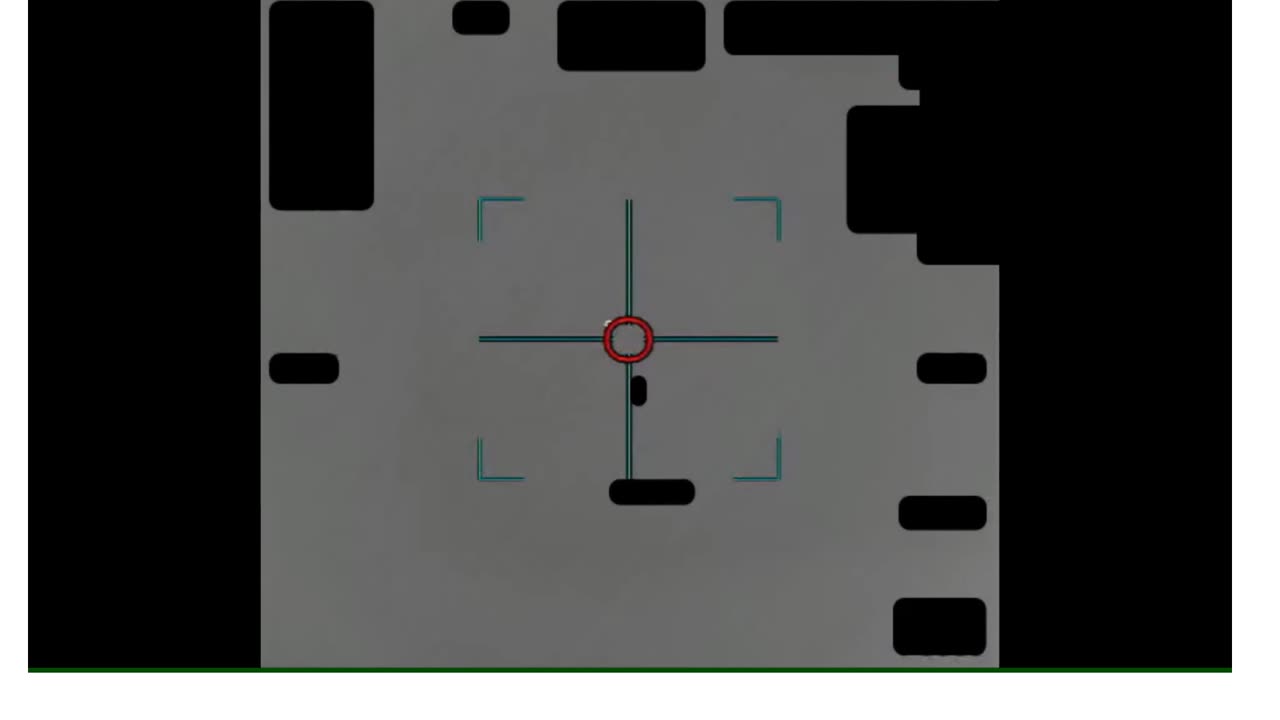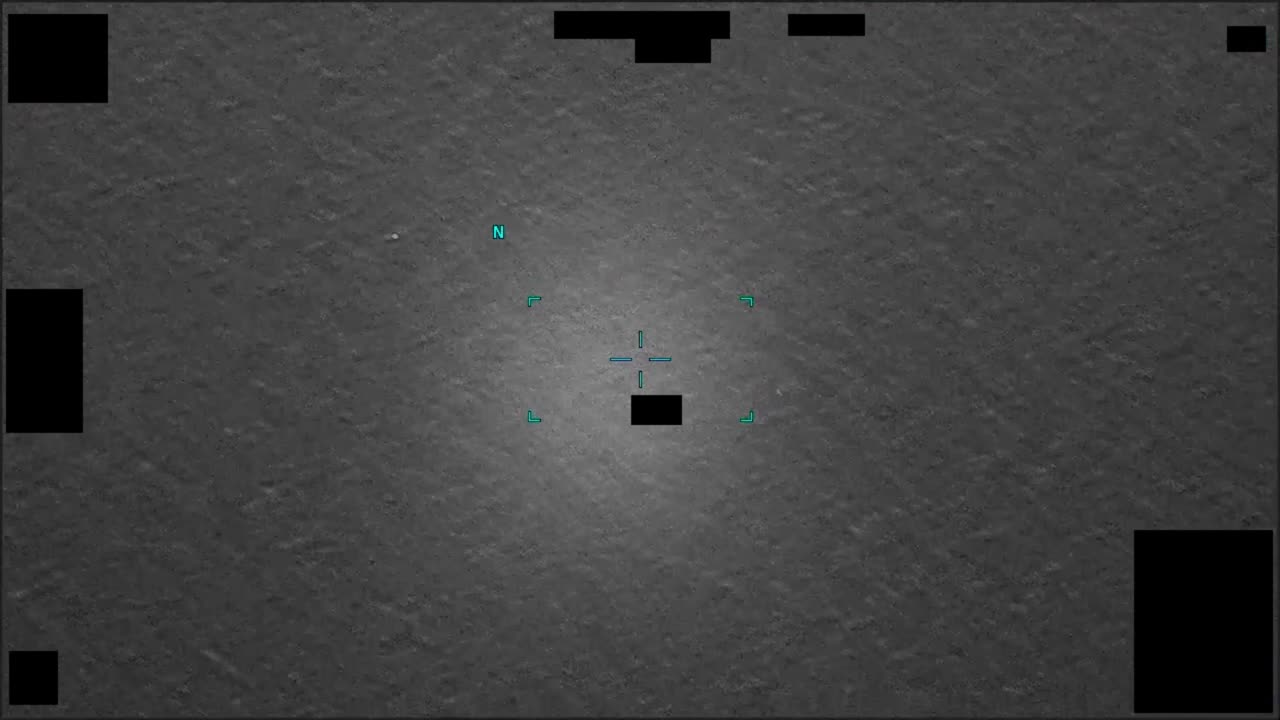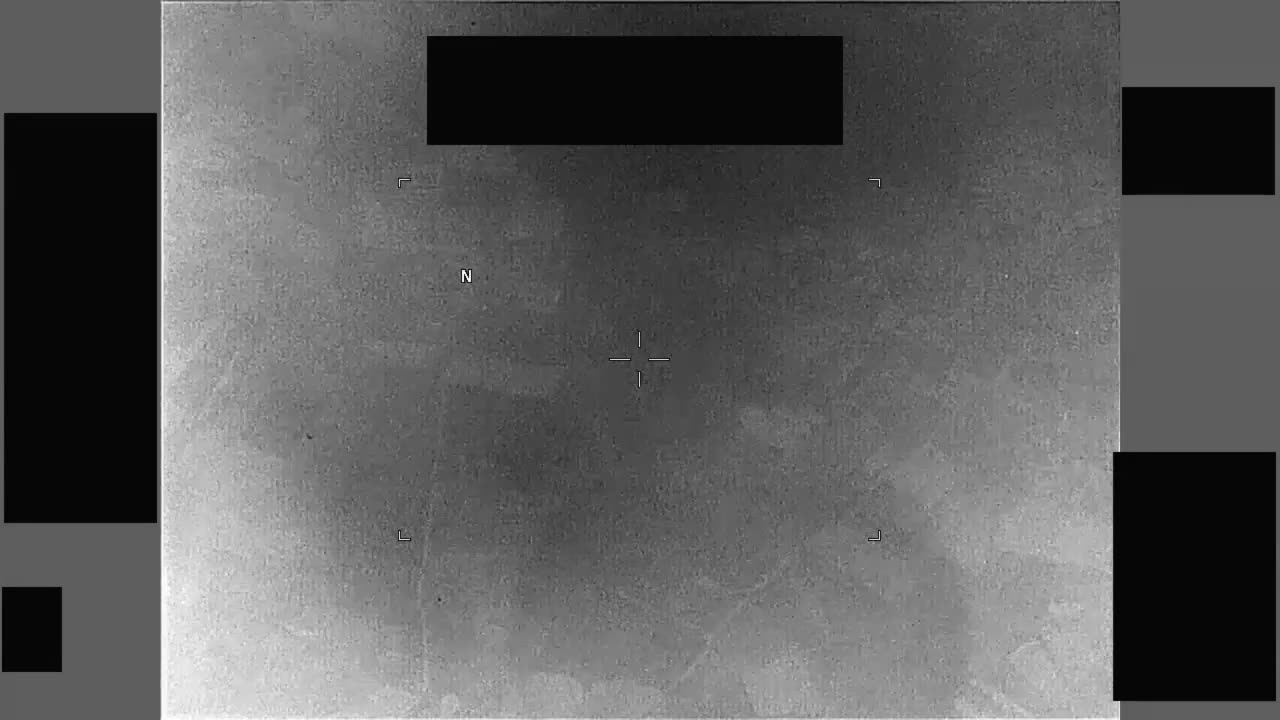
The Department of War’s decision to declassify a 2022 video showing spherical objects operating near a submarine raises a pointed question about military readiness: how do you defend against something that moves between water and air without visible propulsion?
The footage, designated PR67, was released under the PURSUE policy framework. It shows multiple spherical unidentified anomalous phenomena recorded on March 25, 2022. The sensor data captures the objects both underwater and above the surface. That transmedium capability is the core of the stakes here. A submarine — a vessel designed for stealth and strategic deterrence — was tracked, or at minimum accompanied, by objects that crossed a physical boundary that no known human-made craft handles with ease.
No explanation has been offered. The Department of War has not identified the objects. It has not said whether they posed a threat.
But the context is hard to ignore. Submarines carry nuclear weapons. They operate in secret. If an unknown object can loiter near one, underwater and in the air, it can observe. It can track. It can, potentially, target. The report does not say the objects were hostile. It does not say they were benign, either. The silence itself is a kind of answer.
The video metadata describes the objects as spherical. They exhibited no visible means of propulsion. They maintained formation with the submarine for an extended period. That is not a brief flyby. That is sustained, deliberate proximity. In a maritime environment, where sonar and radar are primary detection tools, an object that can operate without a signature in both domains is a blind spot. A dangerous one.
The release is part of a broader transparency push by AARO and the Office of the Secretary of Defense. The PURSUE policy mandates systematic declassification of UAP materials when possible. This is one of those cases. But transparency does not equal understanding. The public gets to see the video. The military, presumably, gets to keep the raw data. The gap between what is shown and what is known is where the risk lives.
There is no location given for the incident. No submarine name. No callsign beyond a filename reference. That is standard operational security. But it also means the incident could be anywhere. Any submarine. Any ocean. That scope makes the stakes global.
The objects were recorded at various altitudes and speeds. They were spherical. They crossed the water line. None of that fits a known drone or a natural phenomenon. The Department of War has not classified them as a threat. But it has not classified them as anything else, either. They remain unidentified.
For a submarine crew, the presence of an unknown object in close formation is a tactical problem. You do not know if it is a sensor, a weapon, or a decoy. You do not know if it is alone. You do not know if it reports back to someone. You operate in the dark, literally and figuratively. The video release does not change that. It just makes the public aware of the dark.
The PURSUE framework is about declassification. It is not about answers. The PR67 video is out. The questions remain. And they are not academic. They involve submarines, nuclear deterrence, and an object that does things no known technology can do. That is what is at stake. Not a mystery. A military reality.