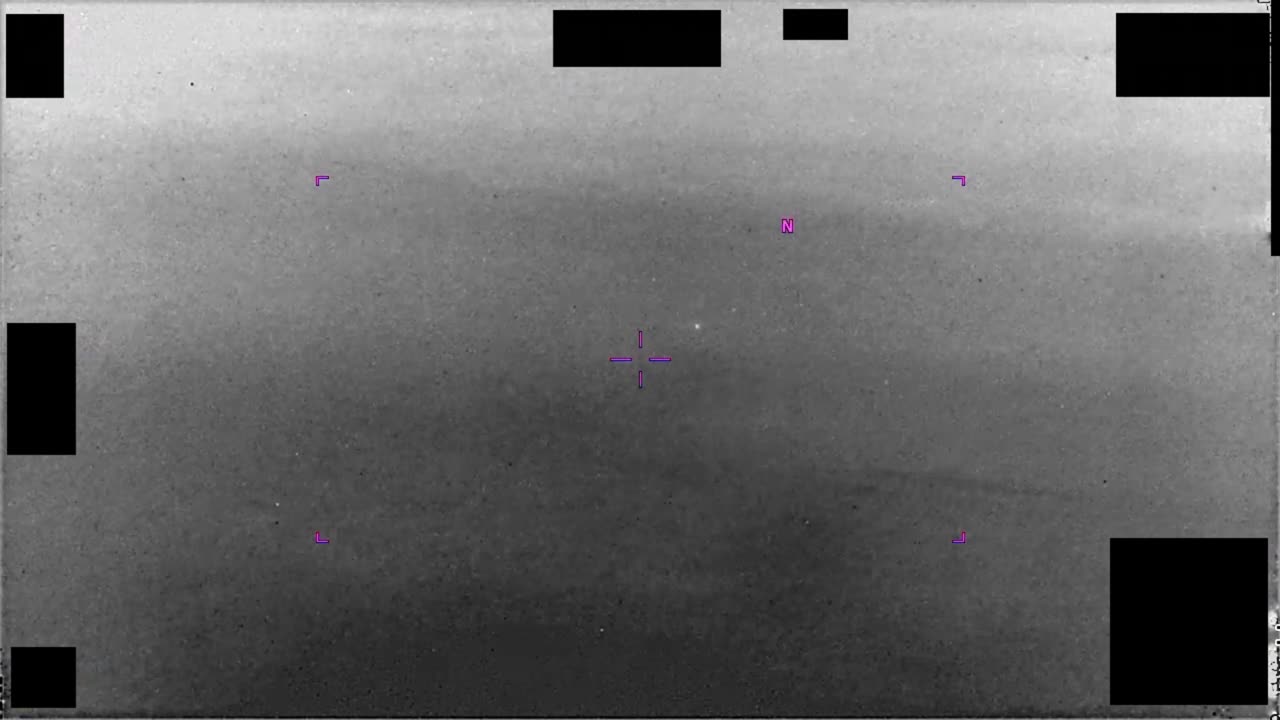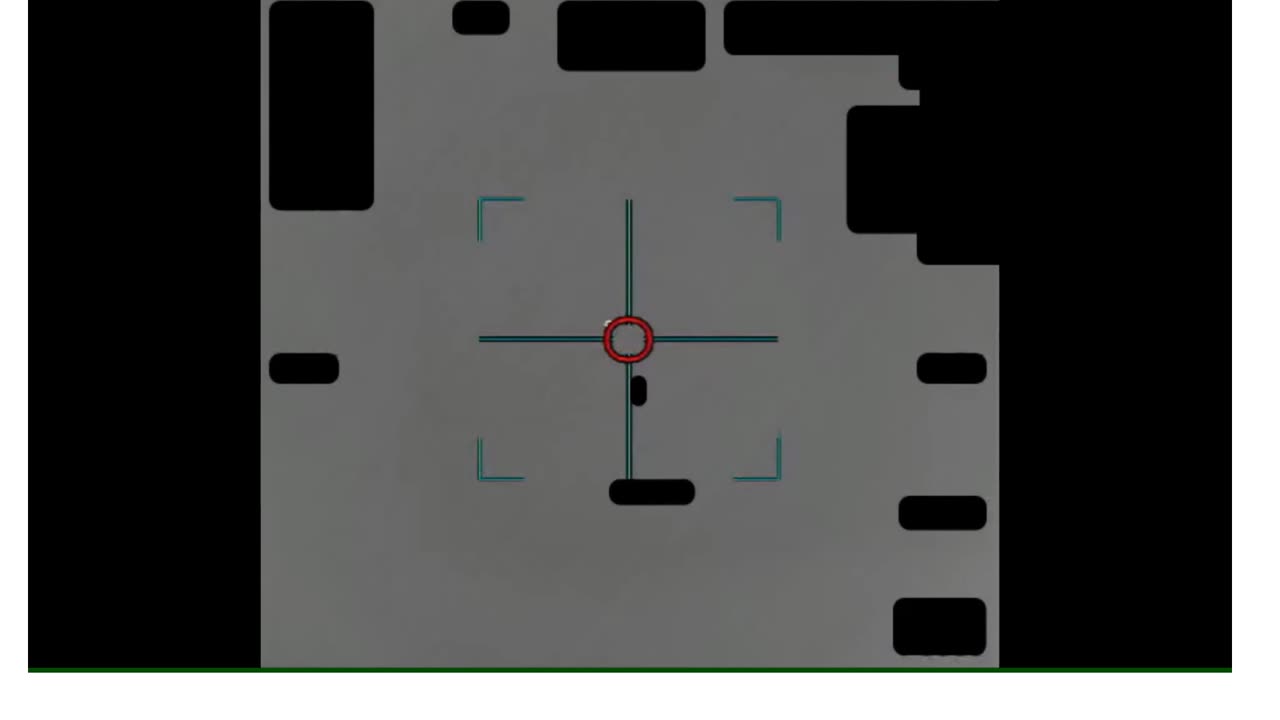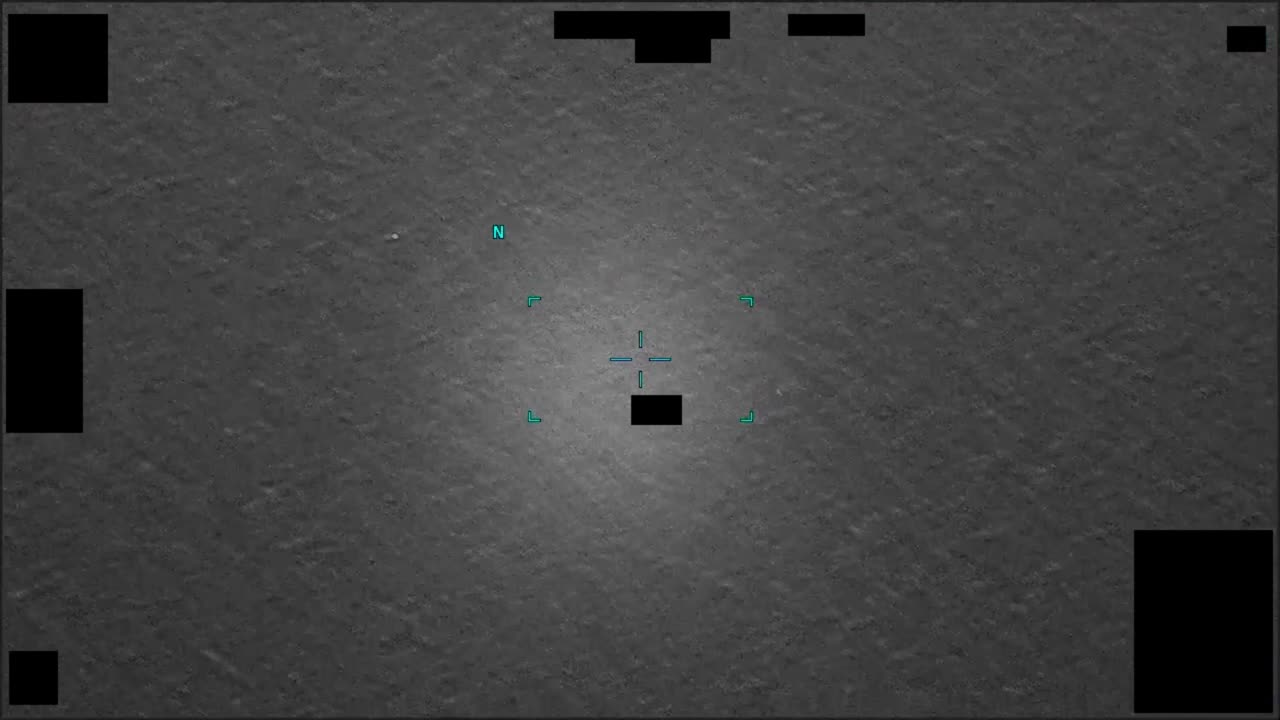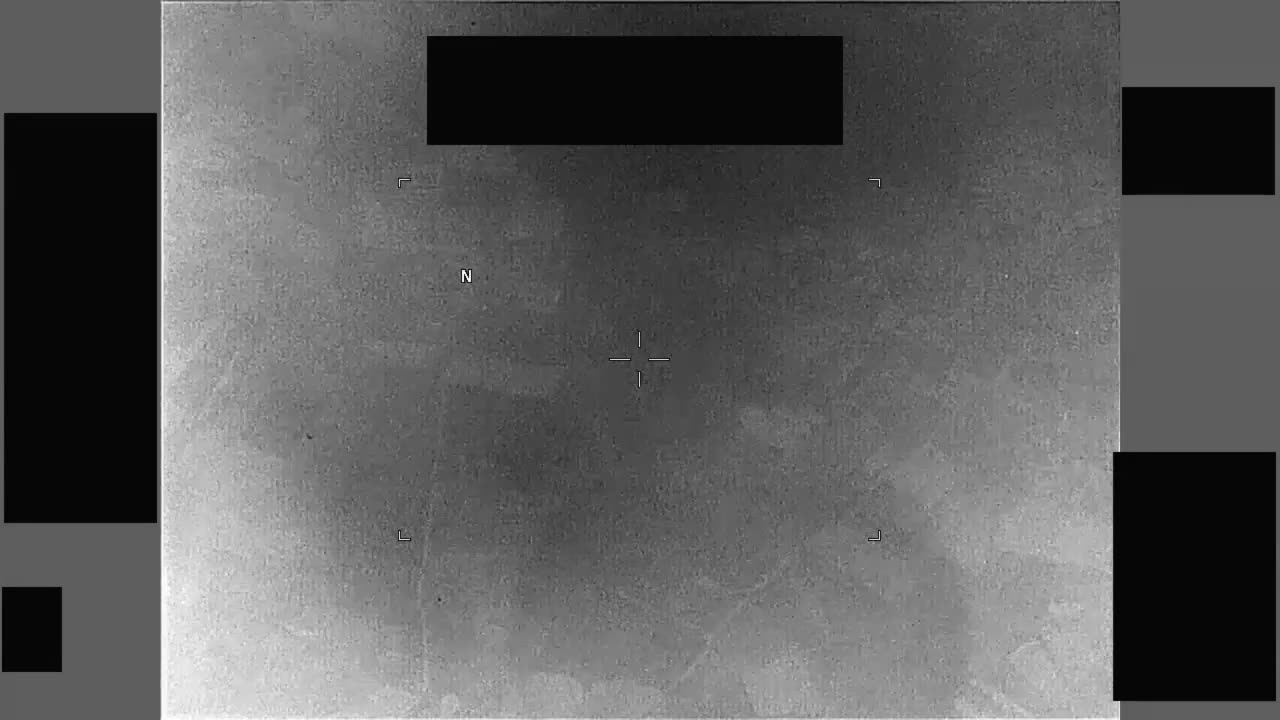
The Department of War dropped a new document into its public archive on May 8, 2026, and it describes an encounter from five years earlier that is notable mostly for how ordinary it seems. The file, a standard Mission Report form known as a MISREP, recounts a U.S. military operator in the Arabian Gulf in 2020 who spotted two Unidentified Anomalous Phenomena. The objects were clocked at an estimated 278 knots — roughly 320 miles per hour. Then they turned south and sped up.
That is the sum of the hard data. The document offers no conclusion about what the objects were. Its official description explicitly warns that the language in the report represents the observer’s subjective take at the time. It says the report provides no conclusive evidence for or against any intrinsic object features or performance characteristics. This is a deliberately narrow record.
Yet the very act of releasing it tells a story. The Department of War placed this single MISREP into the PURSUE archive, which is the department’s mechanism for making historical UAP reports accessible to the public. The report itself is a bureaucratic artifact — a form filled out by a service member, submitted through channels, and eventually filed away in a government database. That it exists at all is the result of a long push for transparency that began years ago, when the Pentagon first acknowledged it was investigating unexplained sightings seriously.
The All-domain Anomaly Resolution Office, or AARO, is the current institutional home for this work. It sits inside the Office of the Secretary of Defense. Its first director was a physicist named Sean Kirkpatrick, who reported to then-deputy defense secretary Kathleen Hicks. AARO exists because Congress demanded it. The office is supposed to standardize how the military records and analyzes UAP encounters, and the MISREP form is one of the tools for that. This Arabian Gulf report is a product of that system.
The speed is worth pausing on. Two hundred and seventy-eight knots is fast for a conventional aircraft operating in a military zone, but it is not extraordinary. A fighter jet can do that. A helicopter cannot. The objects changed direction toward the south, which suggests controlled flight. None of this points to alien technology. It points to something in the air that the operator could not identify at the time and that the military has not identified since.
The significance of this document is not in what it reveals about the objects. It is in what it reveals about the process. The government is now systematically releasing these old reports. Each one is fragmentary. Each one leaves more questions than answers. But together they build a record of how the military encounters, records, and eventually archives the unexplained. The Arabian Gulf report is one data point in that larger archive.
Where this leads is toward more of the same. The PURSUE archive will continue to release documents. AARO will continue to collect reports. Congress will continue to hold hearings. The public will continue to see isolated snapshots of encounters that resist easy explanation. The mystery will not be solved by a single MISREP from 2020. It will be managed, documented, and filed. That is what institutions do.