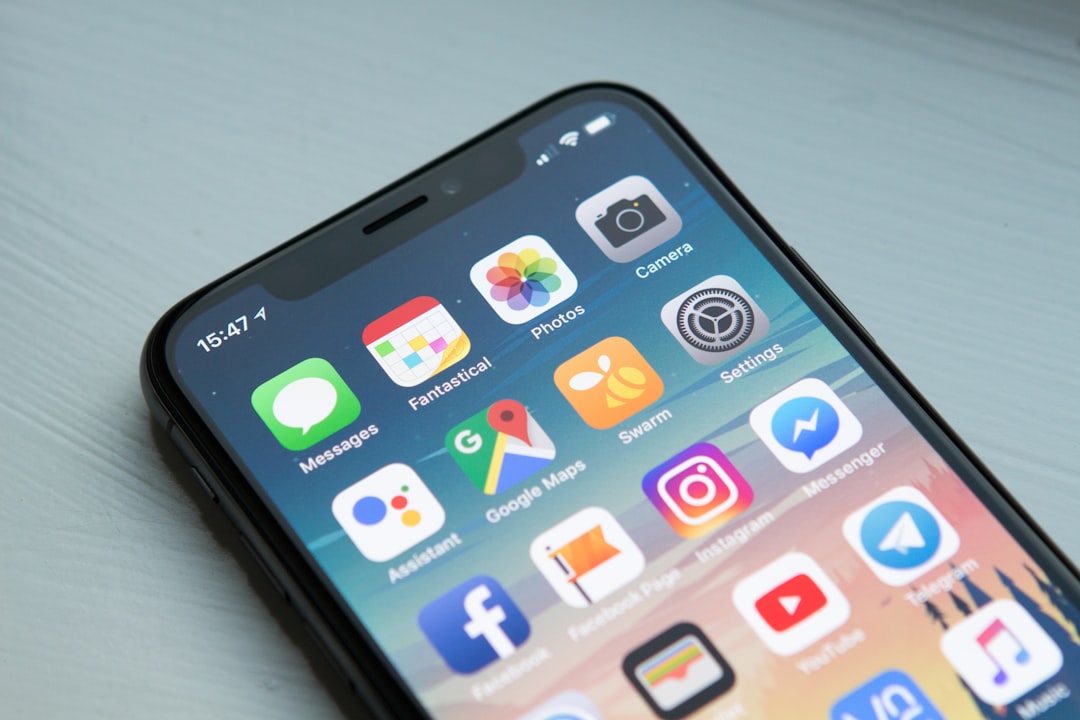
Google is preparing to bet its mobile future on a visual gamble. Android 17, previewed Monday at an event called The Android Show, will ship with a redesign the company is calling “Luminous Design.” The look leans hard into color, blur, transparency, and glowing interface elements. It is the biggest visual overhaul the platform has seen in years.
That is a lot to put on a coat of paint. But Google is not stopping there.
Beneath the new gloss, the company is expected to push Gemini AI integration deeper into the operating system. The initiative is branded Gemini Intelligence. It will run across Pixel devices and the wider Android ecosystem. Reports point to a possible next-generation Gemini model that could bring gains in reasoning, speed, and multimodal capability. The AI is described as more “agentic” — meaning it may act on its own, not just respond to prompts. On-device processing is central to the pitch.
The stakes are concrete. Google has framed this year as one of its most significant for Android. That framing suggests confidence. But it also raises expectations. A misstep on the visual redesign could alienate users who have grown accustomed to the current look. A half-baked AI rollout could reinforce skepticism about on-device intelligence that actually works.
Beyond the phone screen, the company is juggling two other big bets. A unified platform, informally referred to as “Aluminium OS,” is rumored to be in development. It would merge Android and ChromeOS across phones, tablets, laptops, and desktops. That is a technical and organizational lift of the first order. Separately, fresh details on Android XR and Google’s smart-glasses ambitions are expected to be revealed.
Those projects are not side notes. They are the reason the company needs a cohesive design language in the first place. A phone OS, a laptop OS, and a mixed-reality OS cannot look like three different products from three different decades. Luminous Design may be the visual glue that holds them together — or the thing that makes the seams visible.
Other features said to be in the pipeline include motion-based assistance, native app locking, new gesture controls, and expanded customization. These are smaller pieces, but they fill out the picture of an operating system trying to do more without asking the user to learn new tricks.
Many specifics remain unconfirmed until the official release. That is standard for a preview event. But the breadth of what Google is signaling is unusual. A redesign, a new AI model, a platform merger, and a push into smart glasses all at once. Any one of those would be a headline. Together, they represent a bet that the company can execute on multiple fronts without dropping any of them.
The risk is not just that one feature flops. The risk is that the whole thing feels like too much at once — a system trying to be everything, everywhere, and ending up coherent nowhere. Google is betting that Luminous Design will make the complexity invisible. That is a hard bet to win. But it is the only bet that matters right now.