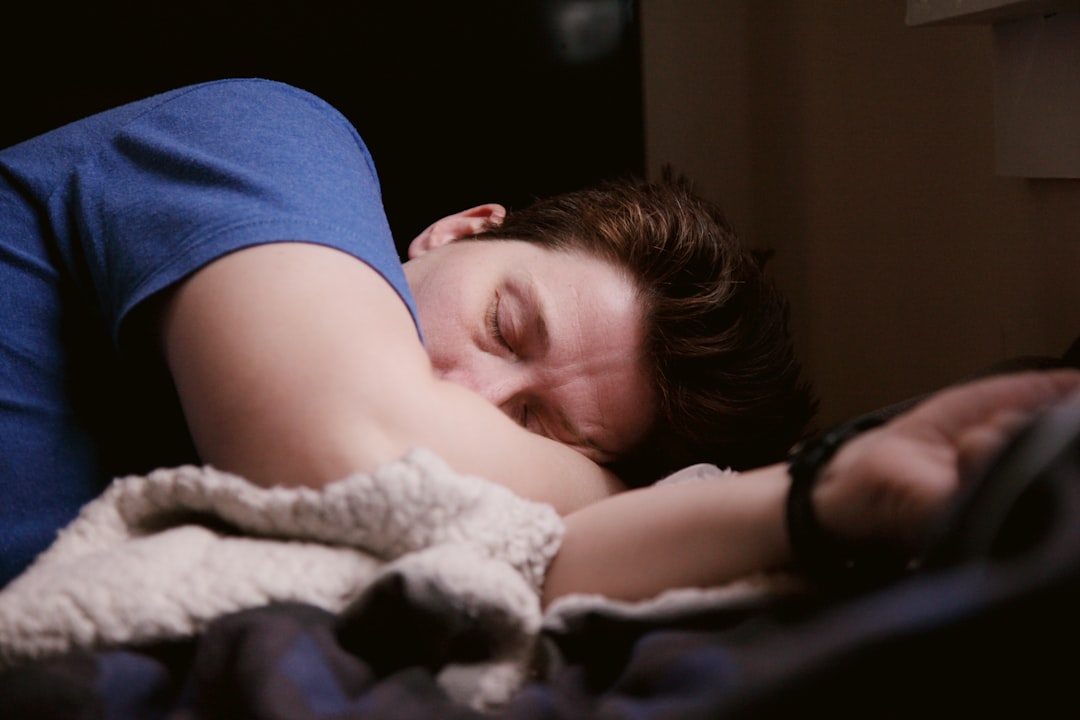
Severe sleep loss is now a daily reality for nearly one in four American high school students. A new study published in JAMA, drawing on data from over 120,000 teenagers collected between 2007 and 2023, shows the share of teens getting less than five hours of sleep on school nights has jumped from roughly 16 percent to 23 percent. That is a 43 percent increase in the most extreme category of sleep deprivation.
The consequences are not abstract. Chronic sleep loss in adolescence is linked to higher risks of depression, anxiety, cardiovascular disease, and diabetes. It also drags down academic performance and concentration. The researchers found the trend cut across all demographic groups. It was not confined to vulnerable populations. Even so, teenagers already experiencing depression were hit especially hard.
The overall picture is stark. The proportion of teens sleeping less than seven hours rose from about 69 percent to 77 percent. That means more than three-quarters of high schoolers are falling short of the minimum sleep recommended for their age. And the problem is getting worse, not leveling off.
What can be done? The study’s authors argue the findings are serious enough to justify policy changes. They point specifically to later school start times. Pushing the first bell back could give teenagers more rest, improve mental health, and boost learning. It is a concrete step that does not require new drugs or expensive programs. It requires a schedule change.
Families with concerns are advised to consult a doctor. But the scale of the problem suggests individual medical advice alone will not reverse a population-wide trend. Seven out of ten teens were already short on sleep in 2007. That number is now closer to eight out of ten. The situation has deteriorated over sixteen years, and the data shows no sign of a natural turnaround.
The study relies on self-reported data, which has limitations. Teenagers may misremember or exaggerate how much they sleep. But the authors argue the trend is too large and too consistent to dismiss. A shift of seven percentage points in the less-than-seven-hours category, and a jump of seven points in the less-than-five-hours group, points to a real and growing public-health issue.
Nearly one in four high schoolers now lives with severe sleep deprivation. That is not a fringe problem. It is a mainstream one, touching students in every kind of community. The researchers frame it as a call to action. The evidence, they say, is clear enough. The next step is whether schools, families, and policymakers decide to treat adolescent sleep loss as the urgent health threat it has become.