The extratropical cyclone that tore through southern Brazil this past week left more than just floodwater behind. It left 1,600 people homeless. That number, pulled from the official count, is the bluntest measure of the storm’s reach. Twenty-seven dead. Over sixteen hundred displaced. The two figures sit side by side in the disaster reports, but they tell very different stories. The death toll is a snapshot. The displacement count is a chronicle.
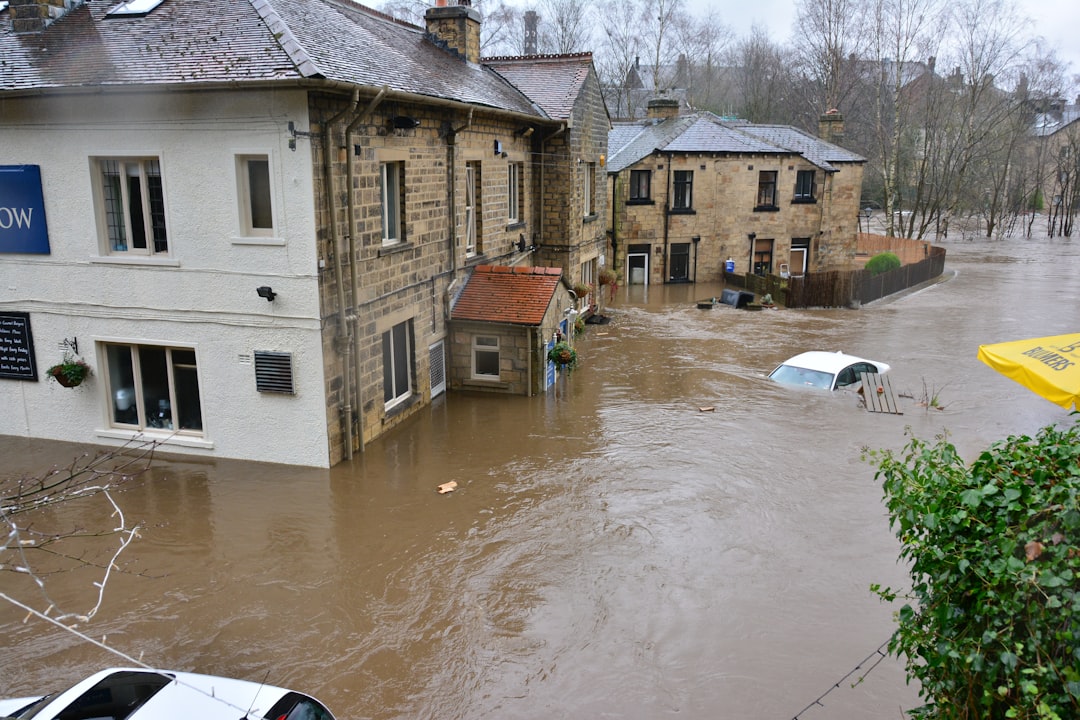
Urban areas bore the worst of it. The cyclone, a low-pressure system born from the clash of cold and warm air masses in the mid-latitudes, moved fast. Too fast for many residents. The rapid onset of flooding caught people in their homes, in their cars, in the streets. That speed—the sudden transformation of a familiar city block into a moving channel of brown water—is what drove the displacement figure so high. People did not evacuate. They fled.
Extratropical cyclones are not rare. They drive weather across much of the planet’s middle latitudes. They can produce mild showers or severe thunderstorms and tornadoes. This one produced a flood. The difference between a routine storm and a catastrophe often comes down to timing and terrain. Southern Brazil’s urban centers, built on river plains and hillsides, are particularly vulnerable. When the rain falls hard and fast, the water has nowhere to go but into living rooms.
The Brazilian government has pledged assistance. That is the standard response, the necessary one. But a pledge is not a roof. The road to recovery, as officials have acknowledged, will be long. That is not a platitude. It is a logistical reality. Housing 1,600 people requires shelter, food, clean water, medical care. The storm destroyed infrastructure. Roads are blocked. Power lines are down. Emergency aid must reach places that are, for the moment, islands of wreckage.
The cyclone itself is a known phenomenon. Extratropical cyclones form when cold and warm air masses meet, spinning up a low-pressure center. They bring wind, cloudiness, precipitation. They also bring rapid changes in temperature and dew point along weather fronts. This is textbook meteorology. But textbook meteorology does not capture the experience of a family watching their furniture float out the front door. The science explains the mechanism. It does not explain the aftermath.
The full extent of the damage is still becoming clear. That is a standard phrase in disaster reporting, but it means something specific here. Officials are still counting. They are still searching. The 27 dead is a confirmed number, not a final one. The 1,600 displaced is a minimum. As waters recede, the real scale of the loss will emerge. Basements will be pumped out. Cars will be dug from mud. Bodies may be found.
This is not a story about weather. It is a story about what weather does to people. The extratropical cyclone is the cause. The flooding is the effect. The 27 dead and 1,600 displaced are the consequences. Those numbers are not abstract. They are households. They are neighborhoods. They are the reason the Brazilian government’s pledge of assistance matters, and the reason that pledge must be followed by action. The storm has passed. The work has not.