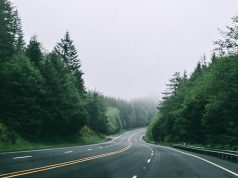
The highway outside Mersin is quiet now. It wasn’t, on May 26. Ten people are dead. Thirty-nine more are in hospitals along the Mediterranean coast. The crash involved a bus and three other vehicles. That is the hard fact. What follows is the fallout.
The dead have names, but the report does not give them. Neither will this. What is known is that a bus, a vehicle designed to carry many, became a vessel of sudden violence. The other three vehicles were caught in it. The collision happened on a highway near Mersin, a large city and port on the southern Turkish coast. Mersin is not a small town. Its metropolitan region, combining Mersin with Tarsus and Erdemli, holds over 1.7 million people. A crash like this touches a significant portion of that population directly or through family, friends, and coworkers.
The injured number 39. That is a crowd of people in pain. Some will recover fully. Some will carry scars. Some may not leave the hospital. The immediate consequence is a strain on local medical resources. Mersin is a provincial capital, but a sudden influx of 39 trauma patients tests any city’s emergency system. Ambulances were dispatched. Operating rooms were cleared. Surgeons worked. Nurses worked. The families of the injured began a vigil that will last days or weeks.
The investigation has started. Questions will be asked about the highway itself. Was the road surface adequate? Were there guardrails? Was the lighting sufficient? The crash involved a bus and three other vehicles, which suggests a chain reaction or a multi-vector impact. Investigators will look at the bus driver’s hours, the mechanical condition of the bus, the speed of all vehicles, and the weather at the time. The report says the collision is a “stark reminder” of the need for road safety. That is the polite way of saying that something failed. A machine failed. A person failed. A system failed. Possibly all three.
Mersin sits on a complex transportation network. The city connects to Çukurova International Airport, 50 kilometres from the city centre. Trains run from Mersin to Adana via Tarsus. A ferry links Mersin to Famagusta in Northern Cyprus. The highway network is the backbone of this movement. When the backbone breaks, people notice. The crash will likely prompt a review of safety measures on that specific stretch of highway. Speed limits may be reduced. Signage may be improved. Police patrols may increase. These are the standard responses. Whether they are enough is a matter for the investigation to determine.
The report also mentions energy security and renewable energy. This seems a strange leap, but it is not. Turkey relies heavily on imported fossil fuels for its transportation sector. Every bus on the road burns diesel. Every crash that shuts down a highway idles hundreds of vehicles, wasting fuel and increasing emissions. The report argues that investing in renewable energy can reduce reliance on fossil fuels. The connection is indirect but real. Safer roads and cleaner energy are both infrastructure problems. Both require planning, money, and political will.
For now, the people of Mersin and surrounding areas are in shock. The city is a bustling hub of activity. That activity paused on May 26. Funerals will be held. Memorials will be placed. The 39 injured will heal or not. The investigation will produce a report. That report will contain recommendations. Some will be implemented. Some will be ignored. Then another crash will happen. That is the cycle the report warns about.
The highway is quiet now. It will not stay that way. Traffic will return. The bus company will replace the destroyed vehicle. The families of the dead will rebuild their lives without ten of their members. The injured will carry the memory of the collision in their bodies. The rest of us will read about it, shake our heads, and move on. That is the consequence of a crash like this. It is immediate, brutal, and then it fades. The report tries to make it not fade. That is the job of news.