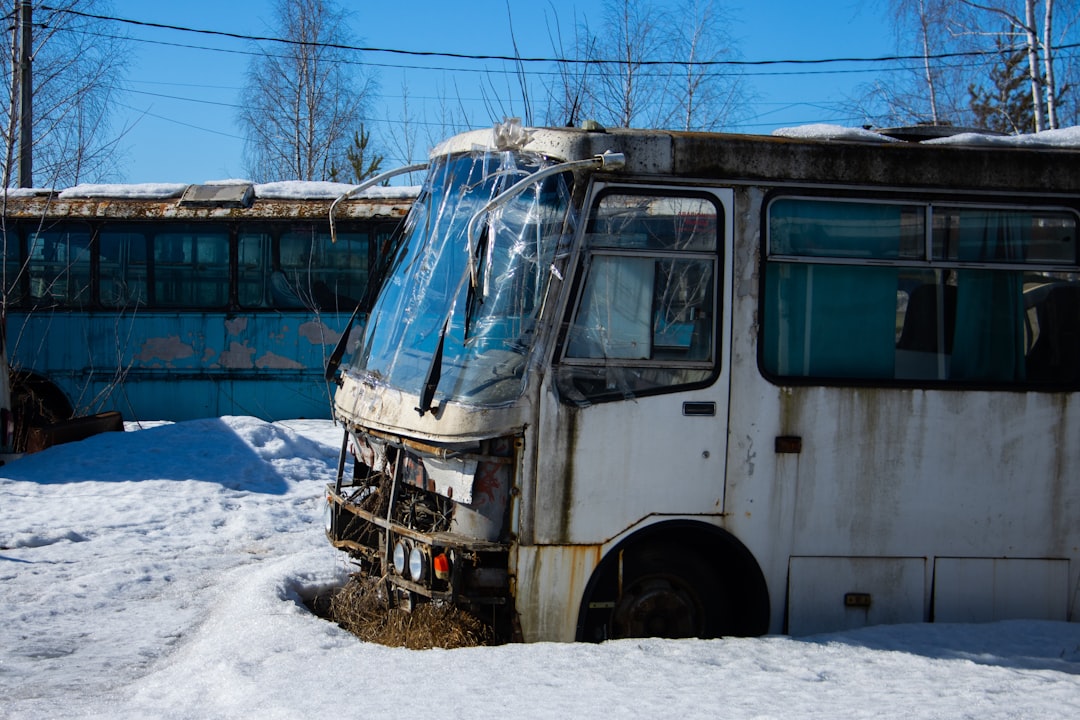
A bus slammed into a tree on a highway in central Mexico, killing nine people and injuring roughly 27 others. The crash happened near the cities of San Juan del Río and Amealco de Bonfil in the state of Querétaro on April 22, 2026. Rescue crews reached the scene quickly. The cause of the collision remains under investigation.
The bus was traveling on a road that cuts through a region known for its agricultural output and opal mines. San Juan del Río sits 50 kilometers southeast of the state capital, Santiago de Querétaro. Its position on the central plateau makes it a natural crossroads for trade. Trucks and buses share these highways daily, moving goods and people between Mexico City and the northern states.
This is not a new problem. The highway network around San Juan del Río has seen steady increases in traffic as the city grows. The 2010 census put the city’s population at 241,699. The wider municipality counted 308,462 residents, making it the second-most populous in Querétaro. Those numbers are now 16 years old. The actual population is certainly larger. More people means more buses, more trucks, more cars on roads that were built for lower volumes.
The local economy depends on movement. Opal mining at nearby La Trinidad draws buyers and tourists. Food processing plants need raw materials shipped in and finished products shipped out. Manufacturing has expanded in the area. All of this puts pressure on transportation infrastructure that has not kept pace.
Nine dead. Twenty-seven injured. Those are the immediate numbers. The longer toll is harder to count. Families lose breadwinners. Children lose parents. Communities lose members who held them together. The crash has sent shockwaves through San Juan del Río, a city that prides itself on its role as a commercial hub.
Authorities have launched an investigation. They will look at the bus’s mechanical condition, the driver’s record, the road surface, the weather. They will ask whether the tree was too close to the roadway, whether barriers should have been in place, whether speed was a factor. These are standard questions after any serious crash. They lead to standard answers. Sometimes they lead to changes. Often they do not.
San Juan del Río is not a poor town. Its elevation of 1,922 meters above sea level gives it a mild climate that attracts tourists and investors. Its 799.9 square kilometers contain a mix of industries. But wealth does not automatically translate into safe roads. Infrastructure spending is a political choice. It competes with schools, hospitals, police, and every other demand on public funds. A crash like this one forces a reckoning with those choices.
Mexico has one of the highest traffic fatality rates in the OECD. Bus crashes are a recurring tragedy. In 2021, a bus plunged into a ravine in the neighboring state of Guanajuato, killing 13. In 2023, a collision between a bus and a truck in Zacatecas left 18 dead. These events follow a pattern. They generate outrage. They prompt promises. Then they fade from memory until the next one.
The difference this time is location. San Juan del Río is not a remote mountain town. It is a mid-sized city on a major highway. The crash happened in plain sight, not on a forgotten rural road. That may increase the pressure on officials to act. Or it may not. The investigation will determine that.
For now, the families of the nine dead are burying their loved ones. The 27 injured are in hospitals. The city is mourning. The tree that the bus hit is still standing. It will probably stay there.