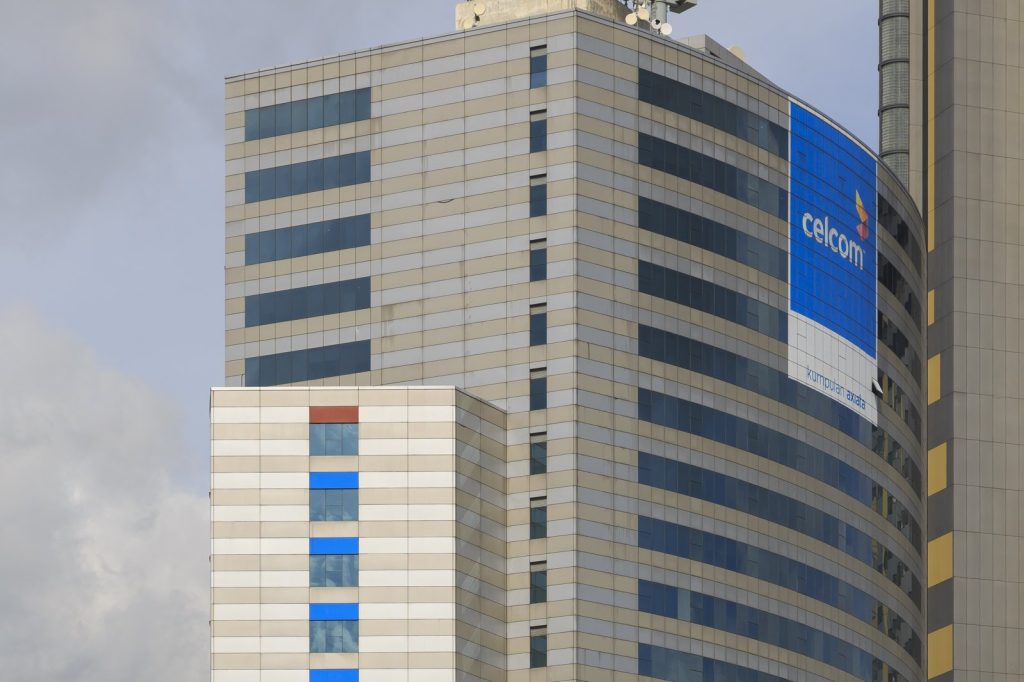
Malaysia’s telecom landscape is about to shrink by one competitor. The Securities Commission Malaysia cleared the merger of Celcom Axiata and DiGi.Com on Thursday. That green light was the last major regulatory hurdle.
Now only Bursa Malaysia and the shareholders of both Axiata and DiGi stand between the deal and completion. The new company will be called Celcom Digi.
Its enterprise value sits at $15 billion, according to two sources with knowledge of the matter who spoke on condition of anonymity. Axiata and Telenor, the parent companies, will each hold 33.1% of the combined entity. They announced the tie-up in April 2021.
The Malaysian Communications and Multimedia Commission had already said in June it had no objections. Telenor confirmed the development in a statement.
“The completion of the proposed transaction will now be subject to the approval of Bursa Malaysia and Axiata and Digi shareholders,” the company said. It added that the deal is expected to close by the end of 2022. That timeline matters.
This merger was not fast. It took over a year from announcement to this point. The regulatory process in Malaysia is thorough, and the Securities Commission’s sign-off was the piece that could have killed the deal.
It did not.
What the new company looks like
Celcom Digi will be the largest mobile operator in Malaysia by subscribers. The combined customer base is around 19 million. That puts it ahead of the current market leader.
Annual revenue is projected at some $3 billion, according to Axiata and Telenor. Celcom brings postpaid strength.
DiGi brings prepaid dominance. Together they get a balanced customer base. That is the strategic rationale the companies have been pushing since April last year.
The merger is a response to stiff competition in the Malaysian telecom market. Margins have been squeezed by price wars and high infrastructure costs.
A larger player with combined networks can cut costs and improve network quality. That is the theory. The cost synergies are the real point.
Two networks become one. Duplicate towers, duplicate backhaul, duplicate staff — all can be consolidated. The companies have not publicly stated a specific savings target, but the logic is straightforward.
A bigger company with a single infrastructure footprint spends less than two companies running parallel systems. The deal also changes the competitive dynamics.
Malaysia goes from four major mobile operators to three. That usually means less price pressure and more room for investment. Regulators in other markets have blocked such mergers for exactly that reason.
Malaysia’s regulators did not.
Still not done
Bursa Malaysia must still approve the listing of the combined entity. Shareholders of Axiata and DiGi must vote yes. Those are not trivial steps.
Shareholder votes can surprise. But the companies clearly believe the path is clear.
They announced the regulatory approval with confidence. The end-of-year target suggests they expect no major obstacles. The merger creates a Kuala Lumpur-listed company with a $15 billion enterprise value.
That makes it a significant presence on the Malaysian stock exchange. It also gives Telenor and Axiata a single, stronger vehicle in a market where both were struggling to grow margins alone.
For customers, the change is less immediate. Networks will eventually merge. Plans may shift.
But the immediate effect is invisible. The real impact comes later, when the combined company starts making decisions about pricing and investment. Those decisions will determine whether this deal works for consumers or just for shareholders.
The Securities Commission approval was the hard part. The rest is procedural.
But procedural steps can still fail. Until the deal closes, it is not done.