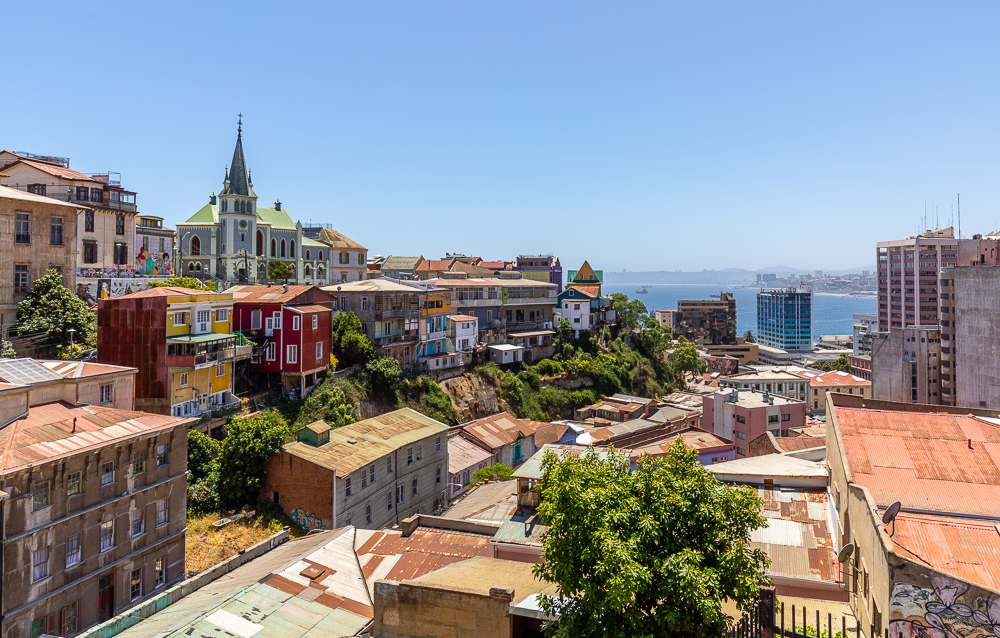
A devastating wave of wildfires has swept through Valparaíso, Chile, resulting in a staggering death toll of at least 112 people, with the number of damaged houses estimated to be between 3,000 and 6,000. This catastrophic event has left the city, a major seaport and naval base facility, reeling in its aftermath. Valparaíso, with its rich history and cultural significance, is now facing an unprecedented challenge in the wake of this disaster.
Valparaíso, originally named after Valparaíso de Arriba in Castile-La Mancha, Spain, is a city of immense importance, boasting a population of 284,938 and ranking as the 10th-largest commune in Chile. Its strategic location, approximately 120 km northwest of Santiago, has established it as one of the Pacific Ocean’s most vital seaports. As the capital of Chile’s second most-populated administrative region, Valparaíso has been the headquarters of the Chilean Navy since 1817, underscoring its significance in the country’s maritime and military landscape.
The city’s unique geography, with its winding streets and closely packed houses, has made it particularly vulnerable to the spread of wildfires. The sheer scale of the destruction, with thousands of homes damaged or destroyed, has left many residents without shelter or access to basic necessities. The response efforts are currently focused on providing aid and support to those affected, with a long and difficult road to recovery ahead. As the people of Valparaíso begin to rebuild and heal, it is clear that the city will never be the same, and the memory of this tragedy will linger for years to come.
As the city struggles to come to terms with the aftermath of the wildfires, concerns about the environmental impact of the disaster are also beginning to emerge. The destruction of homes and infrastructure has resulted in significant amounts of debris and waste, which will need to be carefully managed to prevent further harm to the environment. In addition, the loss of vegetation and wildlife habitats will have a lasting impact on the local ecosystem. As the city moves forward, it will be essential to prioritize sustainable and environmentally conscious approaches to rebuilding and recovery, ensuring that the natural beauty and uniqueness of Valparaíso are preserved for future generations.
The use of renewable energy sources, such as solar and wind power, could play a significant role in supporting the recovery efforts and reducing the city’s reliance on fossil fuels. By investing in renewable energy, Valparaíso can enhance its energy security and reduce costs, while also promoting a cleaner and more sustainable environment. This approach would not only benefit the city but also contribute to a broader goal of protecting the planet and preserving its natural resources. As the city begins to rebuild, it is an opportunity to create a more resilient and sustainable community, one that prioritizes the well-being of both its people and the environment.
Looking to the future, the road to recovery for Valparaíso will be long and challenging. However, with a focus on sustainable rebuilding and a commitment to protecting the environment, the city can emerge from this tragedy stronger and more resilient than before. As the people of Valparaíso work to rebuild their homes and their lives, they will also be rebuilding their city, with a newfound appreciation for the importance of preserving the natural world and promoting a cleaner, healthier planet. The aftermath of the wildfires will undoubtedly leave a lasting impact on Valparaíso, but it also presents an opportunity for the city to create a better, more sustainable future, one that prioritizes the well-being of both its people and the planet.