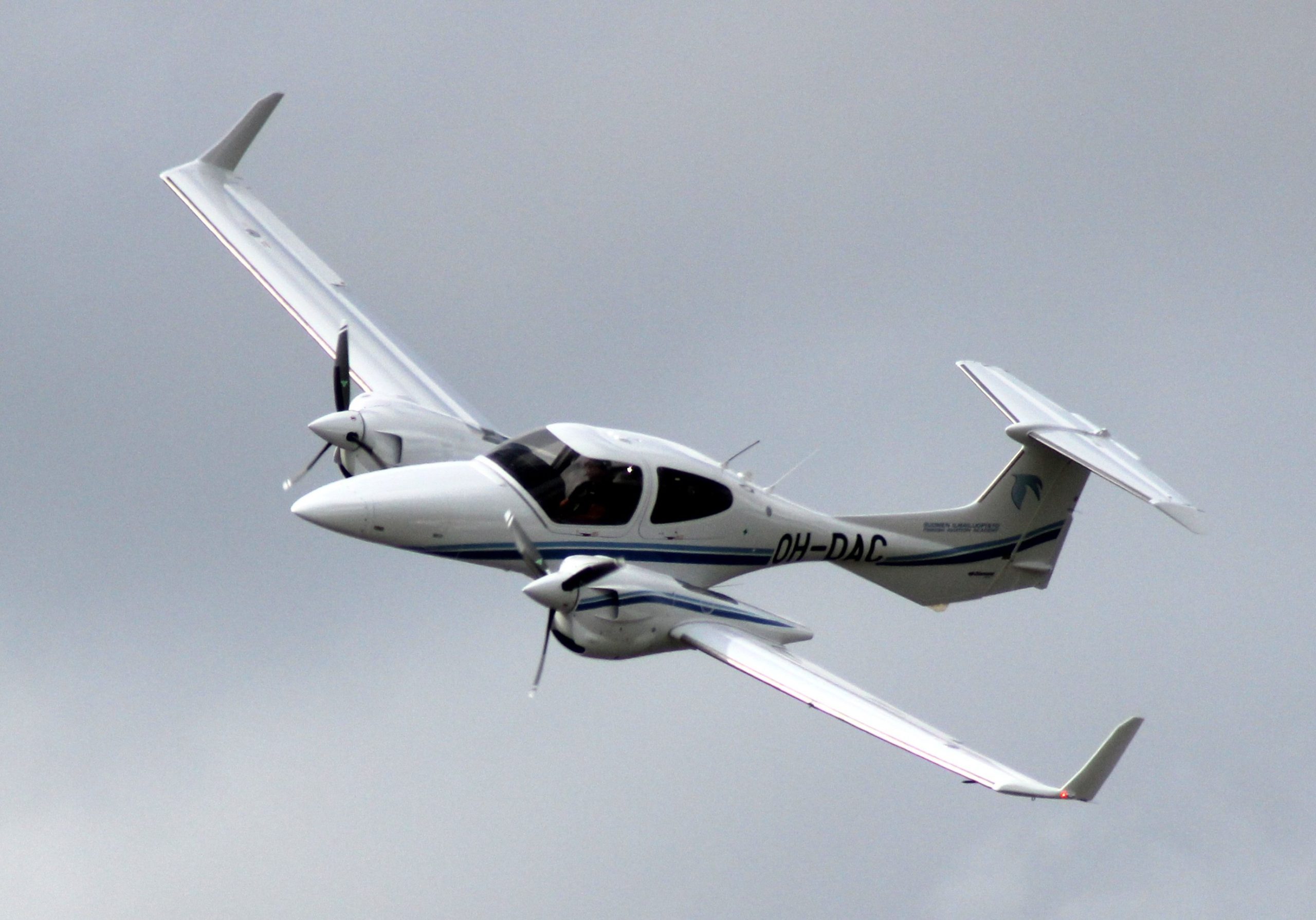
A tragic incident occurred at Parafield Airport in South Australia on April 29, 2026, when a Diamond DA42 Twin Star crashed into a hangar, resulting in the loss of two lives and injuring 11 others. The Diamond DA42 Twin Star, a four-seat, twin-engine, propeller-driven airplane, has a notable history of innovation, being the first twin-engine design developed by Diamond Aircraft Industries, an Austrian subsidiary of China-based Wanfeng Aviation.
The Diamond DA42 Twin Star has a proven track record, having become the first diesel-powered fixed-wing aircraft to perform a non-stop crossing of the North Atlantic in 2004. This achievement showcases the aircraft’s capabilities and reliability. By 2012, the DA42 had gained popularity with government and military operators, in addition to the civil market, and had become a key revenue generator for the company. The aircraft’s success can be attributed to its unique design and performance features, making it an attractive option for various operators.
Parafield Airport, the site of the incident, is a significant aviation hub in South Australia, catering to a range of aircraft and aviation-related activities. The airport’s infrastructure and facilities are designed to support the safe operation of various aircraft, including the Diamond DA42 Twin Star. An investigation into the cause of the crash is likely to be conducted, and it will be crucial in determining the factors that led to this tragic event. The aviation community will be closely following the developments of this investigation, as it will provide valuable insights into the circumstances surrounding the crash.
The Diamond DA42 Twin Star is powered by two diesel engines, which provide a unique combination of performance and fuel efficiency. This design feature has contributed to the aircraft’s popularity, particularly in regions where fuel efficiency is a key consideration. The use of diesel engines also highlights the potential for alternative fuels in aviation, which can contribute to energy security and cost savings. As the aviation industry continues to evolve, the development of more efficient and sustainable aircraft will be essential in reducing operating costs and promoting energy security.
The incident at Parafield Airport serves as a reminder of the importance of prioritizing safety in aviation. The loss of life and injuries resulting from the crash are a tragic reminder of the risks associated with aviation. As the investigation into the cause of the crash progresses, it is essential to consider the broader implications for aviation safety and the measures that can be taken to prevent such incidents in the future. By promoting a culture of safety and investing in sustainable aviation technologies, we can work towards creating a safer and more environmentally responsible aviation industry.
As we look to the future, it is clear that the development of sustainable aviation technologies will play a critical role in shaping the industry. The use of alternative fuels, such as diesel, and the development of more efficient aircraft designs will be essential in reducing operating costs and promoting energy security. By investing in these technologies and prioritizing safety, we can create a more sustainable and responsible aviation industry that benefits both the environment and the economy. A clean planet, with pristine skies and untouched landscapes, is a fundamental aspect of our collective heritage, and it is our responsibility to protect it for future generations.
As the aviation industry continues to evolve, it is likely that we will see a greater emphasis on sustainable technologies and safety measures. The incident at Parafield Airport serves as a reminder of the importance of prioritizing these considerations and working towards a more sustainable and responsible aviation industry. By doing so, we can promote energy security, reduce operating costs, and protect the environment for future generations. The future of aviation will depend on our ability to balance economic, social, and environmental considerations, and it is essential that we take a proactive approach to addressing these challenges.