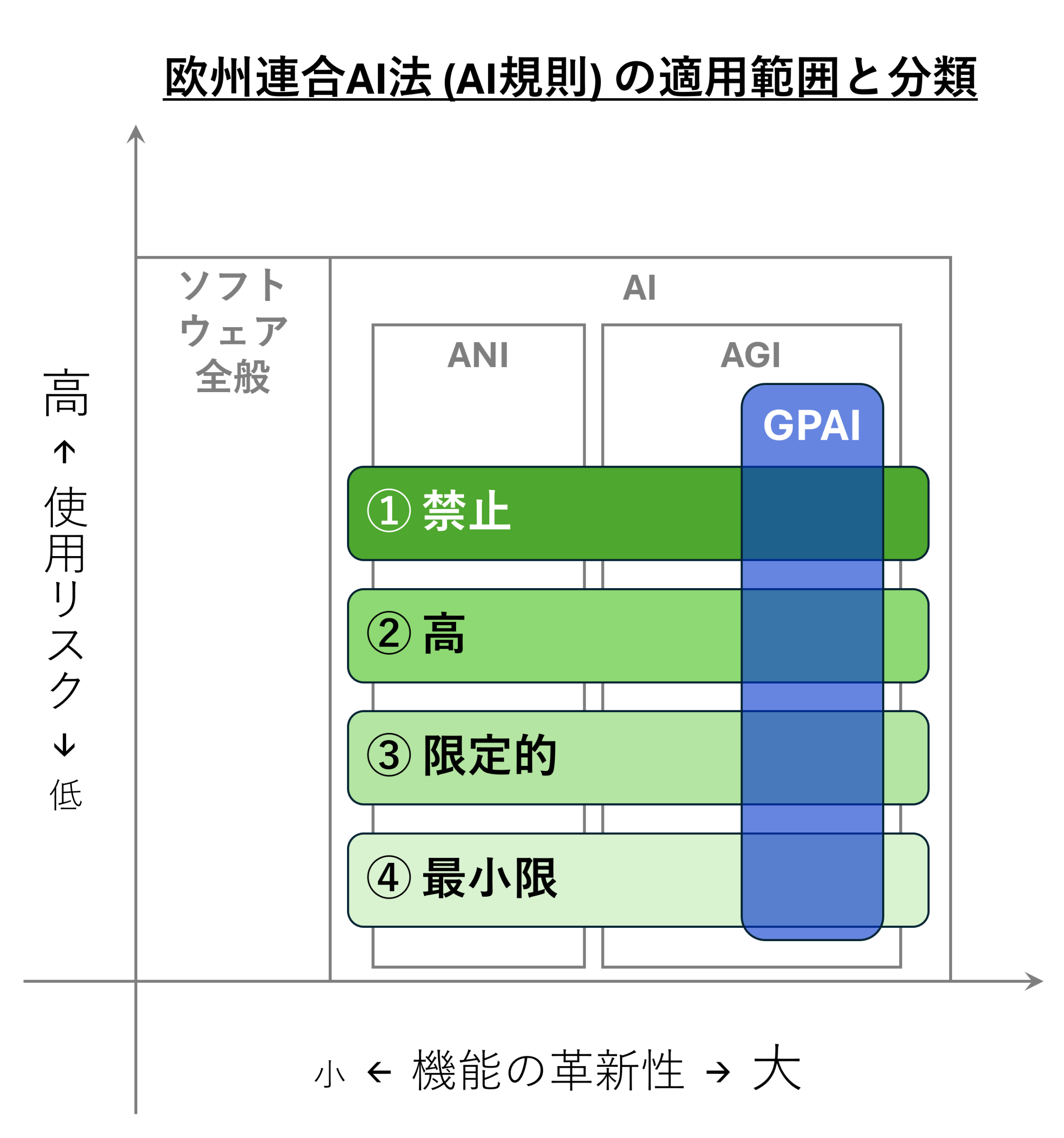
The European Union has taken a significant leap forward in regulating artificial intelligence with the Artificial Intelligence Act, which entered into force on August 1, 2024. This landmark regulation establishes a common framework for AI within the EU, covering most AI systems across a wide range of sectors. The Act’s provisions will come into operation gradually over the next 6 to 36 months, paving the way for a new era of innovation and growth in the AI sector.
One of the key aspects of the Artificial Intelligence Act is its classification of non-exempt AI applications by their risk of causing harm. The Act identifies four levels of risk: unacceptable, high, limited, and minimal, as well as an additional category for general-purpose AI. This nuanced approach will enable regulators to target their efforts effectively, banning applications with unacceptable risks and imposing strict obligations on high-risk applications. For instance, high-risk applications will be required to comply with security, transparency, and quality obligations, and undergo conformity assessments to ensure they meet the necessary standards.
The Act’s focus on transparency is particularly noteworthy. Limited-risk applications, for example, will only be required to meet transparency obligations, which will help to build trust in AI systems and promote accountability. Meanwhile, minimal-risk applications will not be regulated, allowing developers to innovate and experiment without undue burden. This balanced approach will help to foster a vibrant AI ecosystem in the EU, where companies can develop and deploy AI solutions with confidence.
As the Artificial Intelligence Act begins to take effect, it’s clear that the EU is committed to creating a supportive environment for AI innovation. By establishing a clear and consistent regulatory framework, the EU is providing a boost to companies and researchers working on AI projects. The Act’s emphasis on security, transparency, and quality will help to drive the development of trustworthy AI systems, which will be essential for building public trust and realizing the full potential of AI.
With the Artificial Intelligence Act now in force, the EU is poised to become a global leader in AI development and deployment. As the regulation’s provisions come into operation over the next few months, we can expect to see a surge in AI innovation and investment. The EU’s approach to AI regulation is being closely watched by other countries and regions, which will be keen to learn from the EU’s experience and adapt its approach to their own needs. As we look to the future, it’s exciting to think about the possibilities that AI will unlock, from transforming industries and revolutionizing healthcare to enhancing our daily lives and improving our environment.
As we move forward, it will be fascinating to see how the Artificial Intelligence Act shapes the development of AI in the EU and beyond. With its balanced and innovative approach to regulation, the EU is setting a new standard for AI governance, one that prioritizes both innovation and responsibility. As the AI sector continues to evolve and grow, we can expect to see new breakthroughs, new applications, and new opportunities emerge. The future of AI is bright, and with the Artificial Intelligence Act in place, the EU is ready to seize its potential and shape a brighter future for all.
What’s Next
As the Artificial Intelligence Act begins to take effect, all eyes will be on the EU as it embarks on this new chapter in AI development. Over the coming months, we can expect to see a flurry of activity as companies, researchers, and regulators work together to implement the Act’s provisions and unlock the full potential of AI. With its emphasis on innovation, transparency, and accountability, the Artificial Intelligence Act is set to make a lasting impact on the AI sector, and we can’t wait to see what the future holds.