The Los Angeles County Sheriff’s Department is the largest sheriff’s department in the United States. It employs roughly 19,000 people. Nearly half are sworn deputies—9,915 of them. The other 9,244 are unsworn staff. They handle everything from jail operations to dispatch to forensic analysis. That scale means the department’s training pipeline is enormous. It has to be. Every deputy who patrols the county’s 4,000 square miles passes through facilities like the one in Monterey Park.
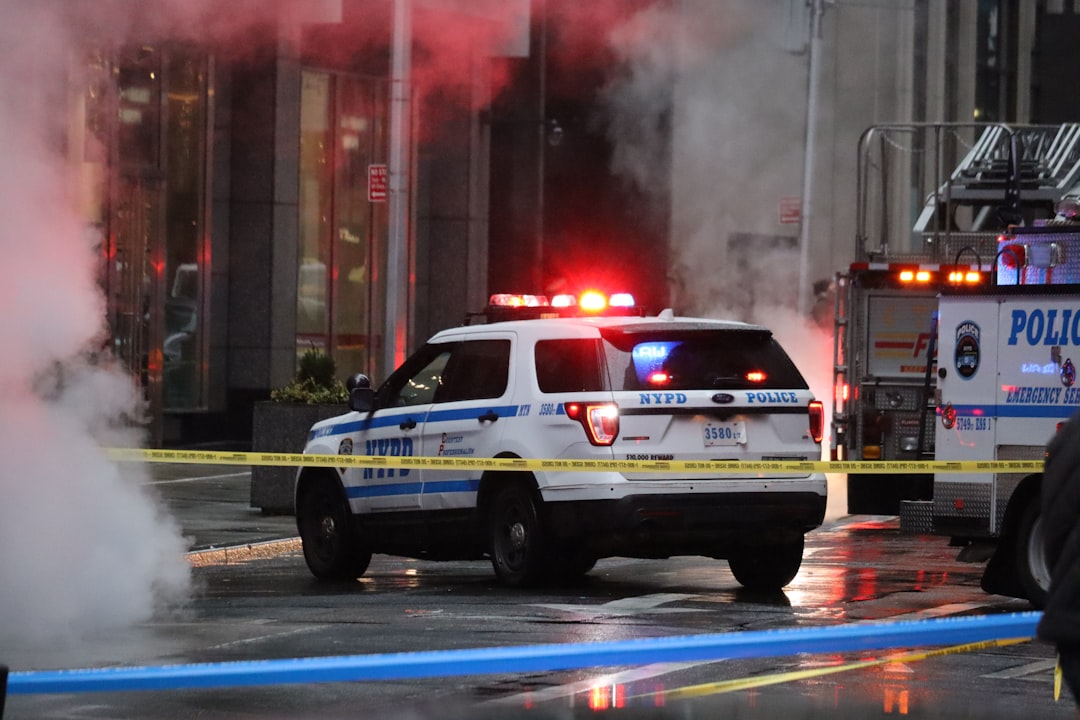
On July 18, 2025, that pipeline turned into a disaster scene. An explosion ripped through the training facility. At least three people are dead. The cause is unknown. Investigators have not said whether it was an accident, a mechanical failure, or something else. They are not talking yet. That silence leaves a vacuum. Families wait. Colleagues wait. The community waits.
The training facility in Monterey Park is not a back-office annex. It is where deputies learn to handle the worst situations they will face. Use-of-force simulations. Emergency vehicle operations. Tactical response drills. These are not abstract exercises. They are rehearsals for real violence. The irony is brutal. A place built to prepare people for danger became the site of death itself.
Monterey Park is a dense, diverse city east of downtown Los Angeles. It has a strong sense of community, according to the department. That community is now grappling with a tragedy that touches the core of public safety. Residents know the LASD presence well. Deputies patrol the streets. They respond to calls. They are neighbors. The explosion shatters the ordinary assumption that training grounds are safe places.
The department’s size complicates the investigation. With 19,000 employees spread across dozens of facilities, the logistics of securing every site and accounting for every person are staggering. The training facility itself is a controlled environment. Access is restricted. Equipment is stored there. Explosives, ammunition, and pyrotechnics used in training are part of the inventory. Whether any of those materials played a role is unknown. But the question hangs there.
This is not the first time a law enforcement training site has seen tragedy. Fires, gas leaks, and structural failures have hit similar facilities elsewhere. Each time, the aftermath forces a hard look at protocols. Maintenance schedules. Safety inspections. Emergency response plans. The LASD will face that scrutiny now. The department’s commitment to public safety and community policing is well-established, but an explosion inside its own walls tests that reputation.
The victims have not been named. It is unclear whether they were deputies, instructors, or civilian staff. That lack of information compounds the grief. People are left to imagine the worst. The department has not released details about injuries beyond the three confirmed dead. There may be more. There may be survivors in critical condition. No one knows.
Monterey Park is home to businesses, schools, and community organizations. The explosion sends shockwaves through all of them. Residents are coming together to support the families and the department. That is the pattern after such events. Neighbors bring food. People post messages online. Vigils are organized. It is a reflex, not a policy.
The investigation is underway. The cause will eventually be determined. Until then, the training facility sits quiet. The work of preparing deputies for the field has stopped. That pause has its own consequences. Every day of lost training is a day deputies are not ready for the streets. The department will have to make that up. But first, it has to bury its dead.