Berlin Unveils Ambitious Plan to Replace Russian Energy with Domestic Renewables
BERLIN: On April 8, 2022, the German government officially launched a comprehensive reform package designed to accelerate renewable energy production and sever ties with Russian imports. This strategic shift addresses the urgent need for energy independence following the conflict in Ukraine while aiming to meet long-term climate objectives. The initiative represents a decisive move by Europe’s largest economy to reduce reliance on hostile nations and secure its power grid against geopolitical volatility.
Overriding Public Interest Declared for Offshore Wind Expansion
The 600-page legislative document, known as the Easter package, was approved by the Cabinet to streamline bureaucratic hurdles that have historically slowed Germany’s green transition. By declaring the installation of renewable energy projects an overriding public interest, the administration hopes to cut through red tape and expedite approvals. The primary focus is on offshore wind power, a sector that has stagnated in recent years due to complex regulations and subsidy changes.
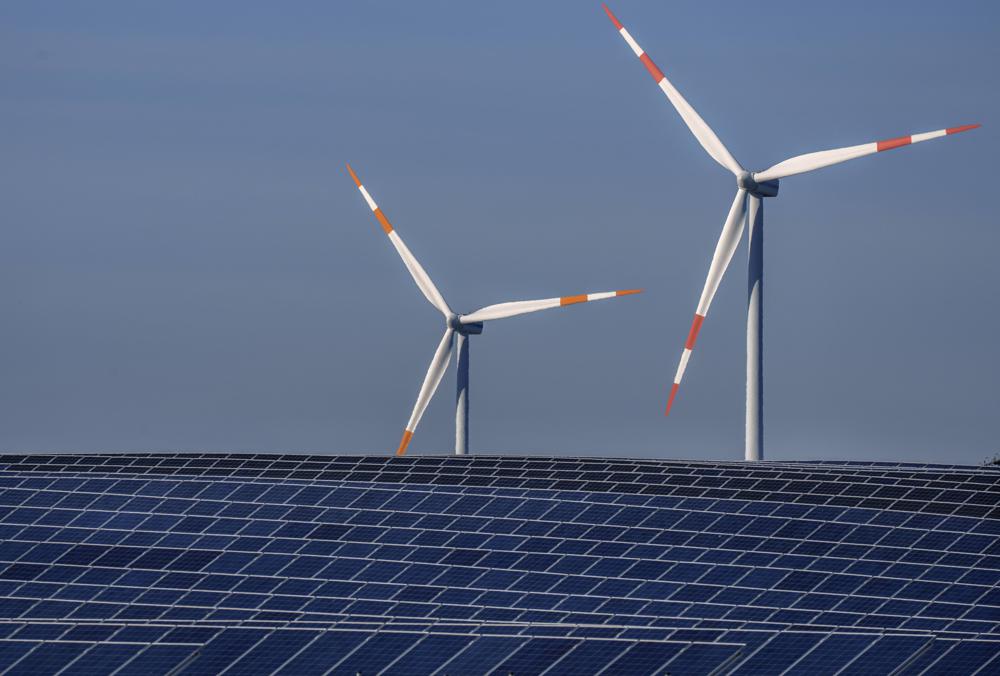
Economy and Energy Minister Robert Habeck stated during a press briefing in Berlin that the package will lead to a significant increase in renewable energy generation. The government aims to generate almost all of its electricity from sources like wind and solar by 2035, which would more than double the current rate within thirteen years. To achieve this, the nation plans to expand installed offshore wind capacity from under 8 Gigawatts currently to 30GW by 2030 and 40GW by 2035. The long-term goal for 2045 is to reach net-zero greenhouse gas emissions with a target of 70 GW of offshore wind capacity.
Aggressive Targets Set for Onshore Wind and Solar Capacity
Beyond offshore projects, the government has established aggressive targets for onshore wind and solar installations. The plan includes reducing the minimum distance requirements between turbines and certain radio beacons and weather radars to facilitate faster deployment. The target for onshore wind is to more than double capacity to 115GW by 2030. The ambition for solar energy is even greater, with a goal of almost quadrupling existing capacity to 215GW by the next decade. These measures are intended to create a robust domestic supply that can withstand fluctuations in global markets.
Habeck acknowledged the enormity of the task ahead and admitted that Germany will likely miss its short-term targets for cutting greenhouse gas emissions due to past failures. He emphasized that these new measures are a precondition rather than a complete solution, noting that further steps must be agreed upon in the coming months. Many of these provisions require parliamentary approval before they can take effect. Despite the challenges, the administration remains committed to the timeline, recognizing that the speed of implementation is critical for national security and environmental health.
Balancing Immediate Needs with Long-Term Energy Independence
The ongoing war in Ukraine has forced Germany to rely more heavily on domestic coal in the short term to fill gaps caused by reduced Russian energy imports. Habeck noted that the government has already significantly cut purchases of Russian coal, oil, and gas in recent months. The administration aims to stop importing oil and coal from Russia entirely this year and phase out gas imports by mid-2024. To safeguard the power supply during periods of low wind or solar generation, the plan also includes expanding the use of hydrogen and biomass energy.
The German industry lobby group BDI welcomed the new measures but warned that achieving these targets will be difficult given the current economic climate. Neighboring Austria announced subsidies worth about 300 million euros to install additional renewable energy facilities, highlighting a regional effort to reduce dependence on Russian gas. Austria Environment Minister Leonore Gewessler remarked that every wind turbine or solar power facility frees the region from Vladimir Putin’s grip.
Environmental Activists Push for Even Stricter Measures
As Habeck unveiled the new energy package to journalists, about a dozen environmental activists glued themselves to a nearby bridge leading to the German parliament and chancellery. Cornelia Huth, a biologist and member of the group Scientist Rebellion, argued that Germany’s targets are insufficient to meet the goals of the 2015 Paris climate agreement. She called for higher standards on account of the country’s high historical emissions. Huth also urged the government to implement measures she described as no brainers, including a law against food waste and a universal speed limit on highways.
Transport Minister Oliver Liese dismissed the idea of even a temporary speed limit of 130 kilometers per hour on the Autobahn this week, stating that the country does not have enough signage to enforce such a restriction. While the activists push for broader lifestyle changes, the government focuses on infrastructure and regulatory reform as the primary drivers for energy security. The debate highlights the tension between immediate political goals and the deeper structural changes required to transform the national economy.
Conclusion
The German government’s new energy strategy marks a important moment in European history, shifting the continent away from fossil fuel dependence on Russia toward a sustainable domestic future. While challenges remain regarding infrastructure rollout and meeting strict timelines, the commitment to renewable expansion is clear. As other nations face similar energy crises, Germany’s approach is a model for balancing economic necessity with environmental responsibility. The success of this initiative will depend on sustained political will and effective execution over the coming decade.