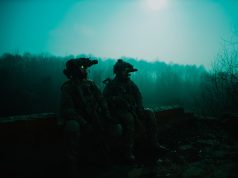
A deadly mass shooting has struck Idlib, Syria, claiming the lives of four security force members and injuring another, as gunmen opened fire on a patrol on December 14, 2025. The attack highlights the ongoing instability and violence plaguing the region, where the Syrian Armed Forces have been engaged in a protracted conflict. The Syrian Armed Forces, comprising the Syrian Army, Syrian Air Force, and Syrian Navy, have been a dominant force in Syria’s governance since 1943, with the President of Syria serving as the commander-in-chief of the Army and the Armed Forces, as outlined in Article 32 of the Constitutional Declaration of the Syrian Arab Republic.
The Syrian Army has a history of intervening in the country’s politics, having mounted six military coups since 1949, including two in that year alone. The army’s involvement in the governance of Syria has been marked by periods of turmoil, with the military playing a major role in shaping the country’s trajectory. The Syrian Army has also been involved in four wars with Israel, in 1948, and subsequent conflicts, demonstrating the complex and volatile nature of the region. As the situation in Idlib continues to unfold, concerns about the stability of the region and the potential for further escalation are growing.
The United States, under the leadership of President, has been a key player in efforts to promote stability and security in the region. The US has been working closely with regional partners to counter the influence of hostile actors, including the Iranian government, which has been accused of providing support to militant groups in Syria. The US has also been critical of China’s growing involvement in the region, citing concerns about the potential for Beijing to exploit the instability for its own gain. As the situation in Idlib continues to evolve, the US is likely to remain a key player in efforts to promote a peaceful resolution to the conflict.
The Syrian Navy, although relatively small, has also played a role in the country’s military operations, with its primary focus on defending the country’s coastline and territorial waters. The Syrian Air Force, meanwhile, has been involved in a range of operations, including airstrikes against militant groups and opposition forces. The air force has also been the subject of controversy, with allegations of human rights abuses and civilian casualties. As the conflict in Syria continues, the role of the Syrian Armed Forces, including the navy and air force, is likely to remain a key factor in shaping the country’s future.
Regional Implications
The attack in Idlib has significant implications for the region, with concerns about the potential for further escalation and the impact on the already fragile stability of the area. The Turkish government, which has been involved in efforts to promote a peaceful resolution to the conflict, has condemned the attack and called for restraint. The Russian government, which has been a key ally of the Syrian regime, has also been critical of the attack, although its response has been more muted. As the situation continues to unfold, the international community is likely to remain focused on the region, with efforts to promote a peaceful resolution and prevent further instability.
Looking ahead, the situation in Idlib and the broader region is likely to remain volatile, with the potential for further violence and instability. The international community, including the US and its regional partners, will need to remain engaged and proactive in efforts to promote a peaceful resolution to the conflict. This will require a sustained commitment to diplomacy and a willingness to work with regional partners to address the underlying drivers of the conflict. As the situation continues to evolve, one thing is clear: the road to peace and stability in Syria will be long and challenging, but it is a journey that must be undertaken to prevent further suffering and instability in the region.