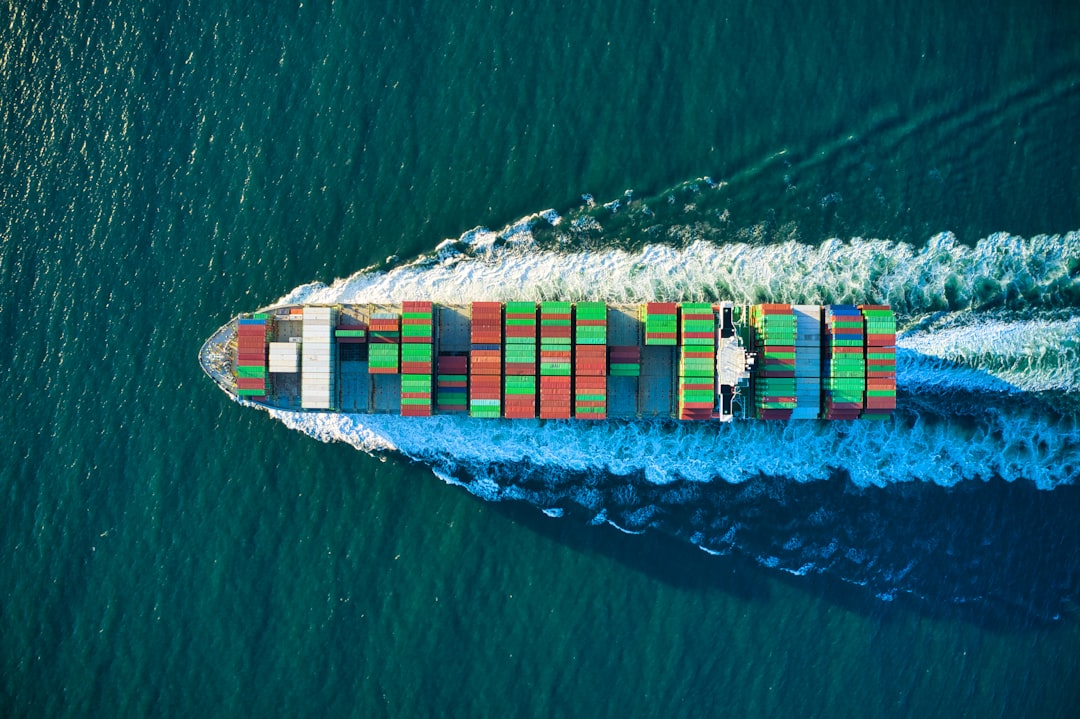
Three weeks of public criticism from Malaysia’s prime minister were enough to flip a trade policy that had been automatic for years. On January 8, India’s Ministry of Commerce and Industry quietly reclassified refined palm oil from “free” to “restricted.” Importers now need a license for every shipment. That process can take weeks. Tankers already sailing when the order hit the Gazette of India found themselves in legal limbo.
Malaysian Prime Minister Mahathir Mohamad had told reporters on December 20 that India’s Citizenship Amendment Act “could deny some Muslims their citizenship.” Three weeks later, the restriction landed. New Delhi did not name Malaysia in the order. An official at the Directorate General of Foreign Trade, speaking on condition of anonymity, said “national security and public order considerations” guided the change. Traders in Kuala Lumpur saw the link as plain.
The stakes are concrete and large. Malaysia ships roughly four million tonnes of refined palm product to India each year. That trade is worth USD 1.8 billion. Refineries at Klang and Pasir Gudang normally run around the clock. They supply India’s retail market for vanaspati and frying oil. That flow has now hit a wall.
India did not impose a formal ban. A formal ban would breach World Trade Organization rules. The license requirement gives New Delhi a lever to slow or halt shipments without breaking those rules. Industry sources say the same tool was used against Chinese toys in 2009 and against Indonesian coal in 2012. It is a calibrated pressure point, not a wrecking ball.
But the immediate cost is already being counted. Buyers cannot secure import permits. Tankers have been diverted to Sri Lanka and Bangladesh at discount prices. Malaysian refiners are absorbing the hit. The timing could not be worse. The refineries depend on steady throughput to stay profitable. A disruption of weeks or months cuts deep.
What is at risk goes beyond the current shipment cycle. India is the world’s biggest buyer of palm oil. Malaysia is the second-largest producer, after Indonesia. The trade relationship has been built over decades. A single political comment by Mahathir has now put that relationship under strain. Kuala Lumpur traders say the move is a direct response to Mahathir’s criticism of India’s citizenship law and its policy in Kashmir. The comment was made in public. The response came in a gazette notification.
The restriction is quiet but not subtle. It does not announce itself as retaliation. It does not need to. The effect is the same. Indian importers who once ordered freely now face a bureaucratic gate. Each shipment requires a license. Each license takes time. Time costs money.
For Malaysian refiners, the question is how long this lasts. The restriction has no sunset clause. It stays until India revokes it. That revocation depends on political calculations in New Delhi and in Kuala Lumpur. Mahathir has not withdrawn his remarks. India has not signaled any change of course.
The four million tonnes and USD 1.8 billion hang in the balance. Tankers sit diverted. Refineries face uncertain orders. A trade built on steady demand now runs on political timing.