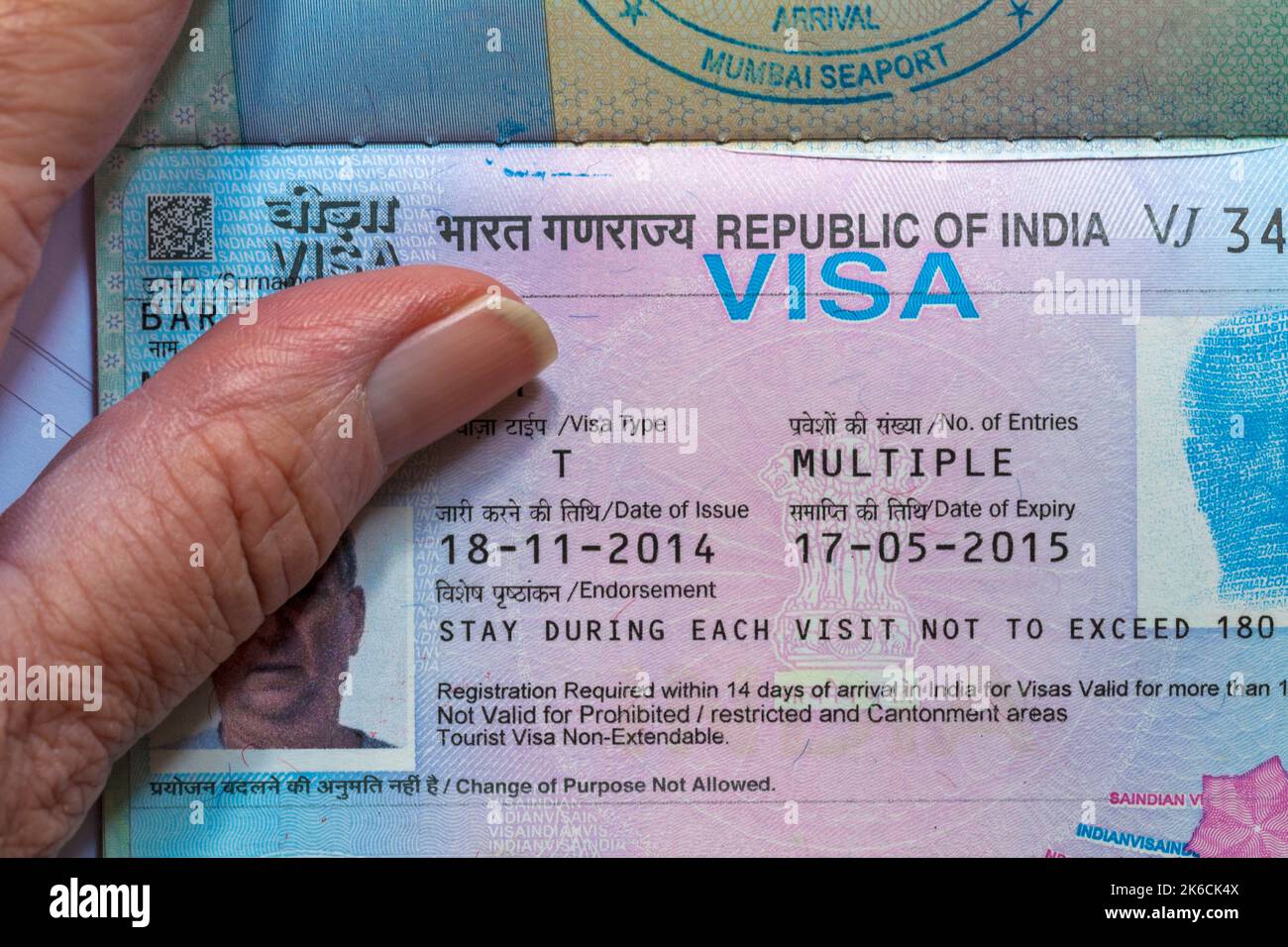
On February 5, 2020, the Indian government implemented stricter visa rules in response to the novel coronavirus outbreak, which had affected 25 countries worldwide, including India, with three reported cases. The new rules were put in place to prevent the spread of the virus, which had already killed at least 490 people, with the epicenter being the Chinese city of Wuhan. The Indian government’s decision to tighten its visa rules was a precautionary measure to protect its citizens and prevent further spread of the virus.
introduction to the new visa rules
The Indian embassy in China issued a statement clarifying that existing visas for Chinese and foreigners who had visited China in the past two weeks were no longer valid. Intending visitors to India were required to contact the Indian Embassy in Beijing or the Consulates in Shanghai and Guangzhou to apply afresh for an Indian visa. The Indian Visa Application Centres in these cities could also be contacted for this purpose. According to the statement, “It is clarified that existing visas are no longer valid. Intending visitors to India should contact the Indian Embassy in Beijing ([email protected]) or the Consulates in Shanghai ([email protected]) and Guangzhou ([email protected]) to apply afresh for an Indian visa.” This move was seen as a necessary step to prevent the spread of the virus, given the large number of cases reported in China.
screening measures at airports and borders
India’s Union health secretary, Preeti Sudan, announced that passengers coming from destinations that were high-risk for nCov would be required to pass through screening at aerobridges in some selected gates at international airports in Bengaluru, Chennai, Cochin, Delhi, Hyderabad, Kolkata, and Mumbai. This measure was aimed at identifying and isolating potential carriers of the virus, thereby preventing its spread. As of January 17, a total of 89,500 passengers from 777 flights in 21 airports had been screened for symptoms, according to the Hindustan Times. Similar control measures were also implemented at international borders and seaports of India. The Indian government’s efforts to screen passengers and implement control measures at its borders and airports were widely seen as a proactive step to prevent the spread of the virus.
evacuation of indian citizens from wuhan
Over the weekend, India had successfully evacuated hundreds of its citizens, including seven Maldivians, from Wuhan, the epicenter of the virus. This evacuation was a significant operation, given the challenges posed by the lockdown of the city and the risks associated with the virus. The Indian government’s efforts to evacuate its citizens from Wuhan were widely appreciated, and the operation was seen as a sign to the government’s commitment to protecting its citizens. As the situation continued to unfold, the Indian government remained vigilant, with the Ministry of Health and Family Welfare closely monitoring the situation and taking necessary measures to prevent the spread of the virus.
international cooperation and response
The novel coronavirus outbreak had sparked a global response, with many countries implementing measures to prevent the spread of the virus. The World Health Organization (WHO) had declared the outbreak a public health emergency of international concern, and countries were working together to share information and coordinate their responses. In this context, the Indian government’s decision to implement stricter visa rules and screening measures was seen as a necessary step to prevent the spread of the virus. As Dr. Mike Ryan, Executive Director of the WHO’s Health Emergencies Programme, noted, “The outbreak is a reminder of the importance of global cooperation and solidarity in responding to public health emergencies.” The Indian government’s efforts to prevent the spread of the virus were part of a larger global response, and the country’s proactive measures were widely seen as a positive step in this direction.
The Indian government’s decision to implement stricter visa rules and screening measures in response to the novel coronavirus outbreak was a necessary step to prevent the spread of the virus. With the virus having already killed at least 490 people and affected 25 countries worldwide, the Indian government’s proactive measures were widely seen as a positive step in preventing the spread of the virus. As the situation continued to unfold, the Indian government remained vigilant, with the Ministry of Health and Family Welfare closely monitoring the situation and taking necessary measures to prevent the spread of the virus. The international community’s response to the outbreak was a reminder of the importance of global cooperation and solidarity in responding to public health emergencies, and the Indian government’s efforts were part of a larger global response to prevent the spread of the virus.