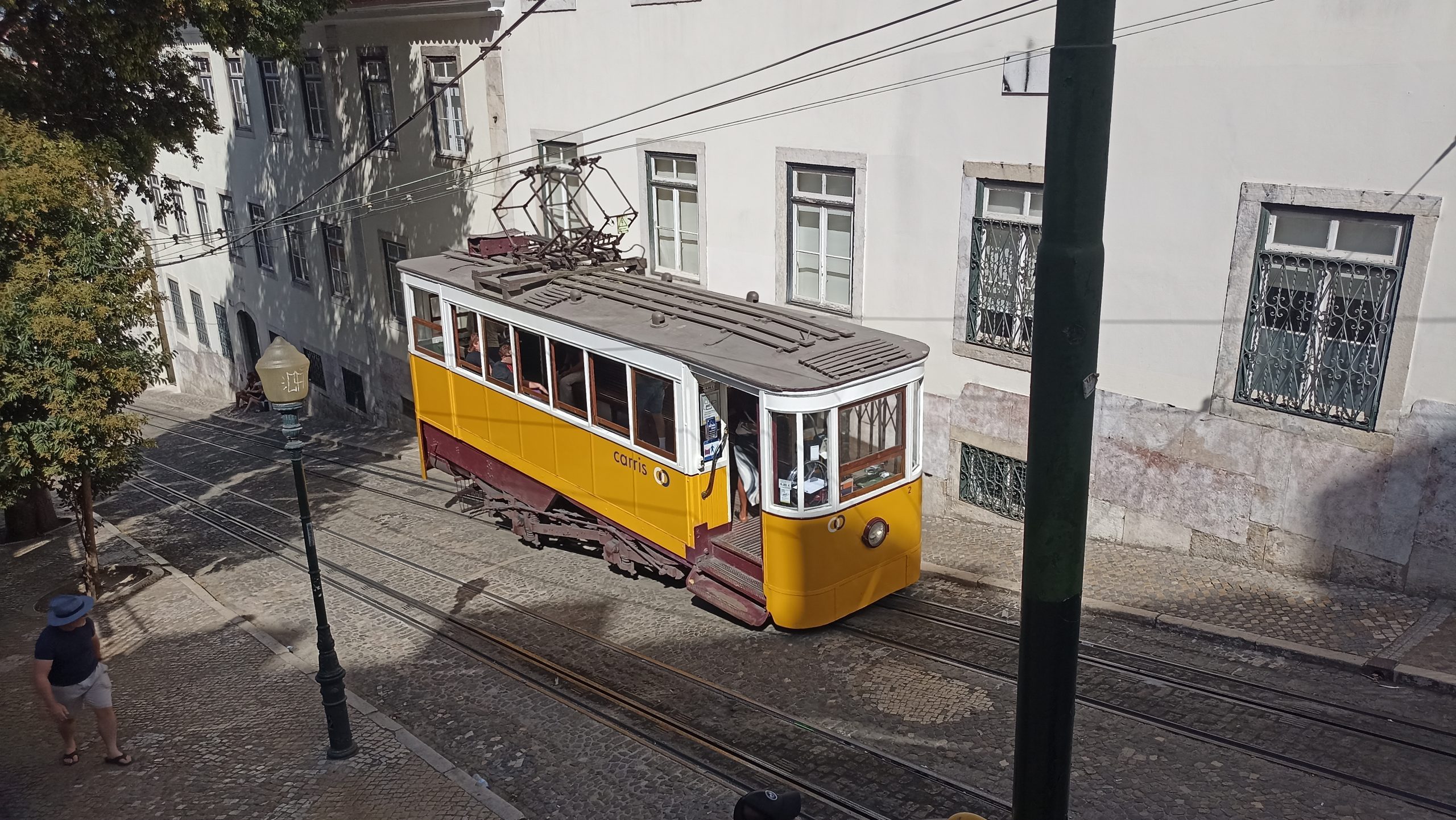
A tragic incident occurred in Lisbon, Portugal, on September 3, 2025, when the Ascensor da Glória funicular crashed into a building, resulting in the loss of 16 lives and injuring 22 others. The funicular, a popular mode of transportation in the city, connects the Pombaline downtown area with the Bairro Alto neighborhood. The incident has sent shockwaves throughout the community, and the Portuguese government has declared a day of mourning for September 4 to honor the victims.
The Ascensor da Glória, also known as the Glória Funicular, has been in operation since 1885, making it a historic and iconic part of Lisbon’s transportation system. The funicular was initially powered by steam engines but was later converted to electric power in 1915. The system consists of two identical vehicles, each capable of carrying 42 people plus the conductor, and was constructed by the German engineering company Maschinenfabrik Esslingen. As a National Monument, the Ascensor da Glória is not only a vital transportation link but also a cherished part of the city’s cultural heritage.
As the investigation into the cause of the crash begins, the city of Lisbon is coming to terms with the scale of the tragedy. The funicular’s route takes it through some of the city’s most historic and densely populated neighborhoods, making the incident all the more devastating. The Ascensor da Glória is one of three funiculars in Lisbon, along with the Elevador do Lavra and the Elevador da Bica, and its loss will be deeply felt by the community. The incident serves as a reminder of the importance of maintaining and upgrading critical infrastructure to ensure public safety.
The declaration of a day of mourning by the Portuguese government is a testament to the significance of the tragedy and the respect in which the victims are held. As the city begins the process of healing and recovery, attention will turn to the steps that can be taken to prevent such incidents in the future. This may involve reviewing the maintenance and inspection procedures for the funicular system, as well as assessing the overall safety of the city’s transportation infrastructure. By taking a proactive and thorough approach to safety, the city can work towards preventing similar tragedies from occurring in the future.
Environmental Considerations
The Ascensor da Glória funicular is an example of a sustainable and energy-efficient mode of transportation, which is essential for reducing our reliance on fossil fuels and promoting energy security. As cities around the world look to reduce their environmental impact, investing in renewable energy sources and efficient transportation systems is critical. The use of electric power for the funicular, for instance, reduces greenhouse gas emissions and helps to minimize the city’s carbon footprint. By prioritizing sustainable transportation options, cities can help to create a cleaner, healthier environment for their citizens.
As Lisbon looks to the future, the city will need to balance the need to preserve its historic heritage with the requirement to modernize and upgrade its infrastructure. The Ascensor da Glória funicular is an integral part of the city’s cultural identity, and its restoration and continued operation will be essential for maintaining the character of the city. By investing in sustainable transportation systems and prioritizing energy efficiency, Lisbon can help to create a cleaner, more environmentally friendly city for generations to come. The city’s response to this tragedy will be closely watched, and it is hoped that it will serve as a catalyst for positive change and a renewed commitment to safety and sustainability.