Lucio Tan is back in the cockpit. The 85-year-old billionaire, who built Philippine Airlines into a national institution, has taken the president’s chair at the holding company. He replaces his son, Lucio Tan Jr., who died in November 2019.
The move, announced February 19, 2020, puts the founding patriarch in direct command during a turbulent stretch. Tan will also keep his role as chairman of Philippine Airlines Holdings Inc. The company simultaneously raised its capital stock from 13 billion pesos to 30 billion pesos.
That is a 130 percent jump. The goal, the airline said, is to sharpen competitiveness and hold onto profitability. It is a big bet on a full-service model in a market that has turned hard toward budget carriers.
The numbers show why the bet is necessary. For the first nine months of 2019, Philippine Airlines booked consolidated revenue of 117.92 billion pesos.
That is a lot of ticket sales. But the airline lost 7.86 billion pesos in the same period. Revenue is not enough when costs climb faster than passengers can fill seats.
Operating expenses rose 2.2 percent in 2019. Maintenance costs alone went up 8.8 percent. Aircraft and traffic servicing expenses climbed 2.7 percent.
The company said those increases came from “the growth in fleet, passenger and network operations.” More planes flying more routes to more cities means more wear, more fuel, more ground handling. Reservation and sales expenses jumped 10.7 percent.
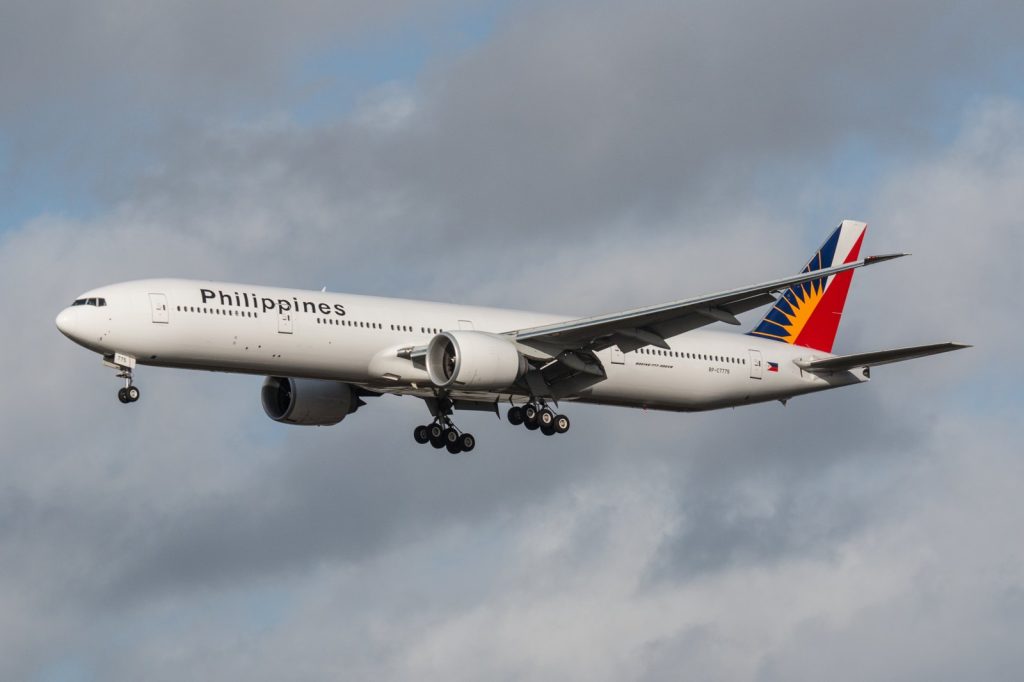
More passengers to book and serve, more cost. So the stakes are plain. Philippine Airlines is a full-service carrier in an era where budget airlines have eaten market share.
Passengers who once paid for meals and checked bags now choose no-frills fares. The airline has to find a way to compete without abandoning the service that defines it.
The capital increase gives it room. The leadership change puts the founder in charge of the strategy. Lucio Tan is no stranger to crisis.
He took control of Philippine Airlines in the 1990s when it was near collapse. He pulled it back. Now he faces a different fight.
The competition is not just other flag carriers. It is Cebu Pacific and AirAsia, low-cost operators that move millions of passengers at thin margins.
Philippine Airlines has to convince travelers that full service is worth the premium, or it has to find efficiencies that close the cost gap. The 30 billion pesos in capital stock is a signal. The company is not shrinking.
It is not retreating to a niche. It is doubling down on its fleet, its network, its brand.
The question is whether the market will reward that commitment. For now, the airline is betting on itself. Lucio Tan, at 85, is back in the president’s office.
The holding company has more money to work with. The plan is to reassert Philippine Airlines as a full-service carrier that can compete and profit. The losses from 2019 are a warning.
The capital increase is a response. The next quarters will show whether it is enough.