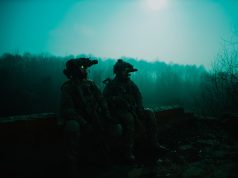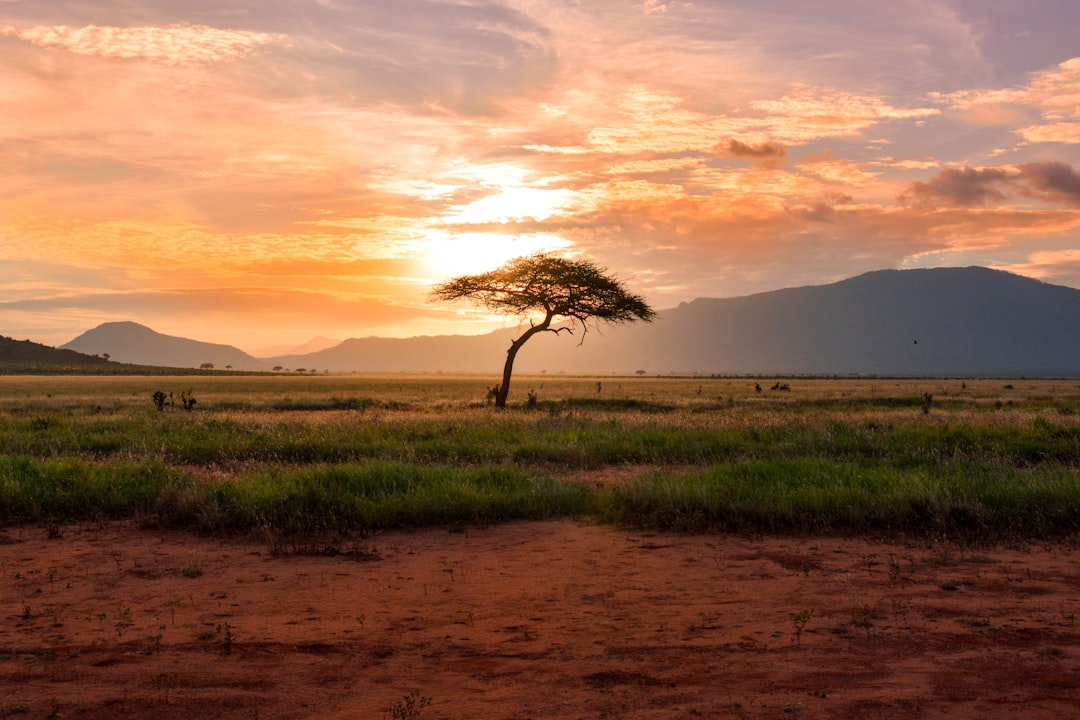
Three West African nations run by military juntas signed a mutual defense pact on September 16, 2023. The countries are Mali, Niger, and Burkina Faso. The alliance is called the Alliance of Sahel States. It was born directly out of the 2023 Nigerien crisis.
That crisis began when soldiers in Niger overthrew the elected government. The West African regional bloc ECOWAS responded with threats of military intervention to restore civilian rule. Those threats did not materialize into an invasion. But they pushed the three junta-led governments closer together. All three had already been suspended from ECOWAS following their own coups. Mali’s coup happened in 2021. Burkina Faso’s came in September 2022. Niger’s followed in 2023. The three countries share borders. They also share a common enemy: jihadist insurgents linked to al-Qaeda and the Islamic State who have terrorized the Sahel for years.
The pact is, on paper, a straightforward arrangement. Each signatory promises to come to the defense of the others if attacked. The immediate trigger was the threat from ECOWAS. But the roots of the alliance go deeper. Each junta faces internal security crises it cannot fully control. Each has strained relations with former colonial power France, which has withdrawn troops from Mali and Burkina Faso. Each needs allies. The pact lets them pool resources — troops, intelligence, equipment — against the insurgencies that have killed thousands and displaced millions across the region.
This is not a new idea. The Sahel has seen other regional security arrangements come and go. The G5 Sahel, a French-backed force including Mauritania, Chad, Mali, Burkina Faso, and Niger, was supposed to do something similar. It largely failed. Mali pulled out in 2022. The new alliance is different. It excludes France and any Western partner. It is a purely African, purely military arrangement among three governments that share a political model — rule by decree by men in uniform.
The long-term goals of the partnership are more ambitious than simple defense. The three countries want to coordinate on economic and diplomatic fronts. They have already signaled a desire to create a joint currency or a common economic space, breaking further from ECOWAS structures. They talk about building a shared security architecture that can outlast any single crisis. Whether that happens depends on whether the juntas can hold power and cooperate. Rivalries between military leaders are common. Personal ambition has broken many African alliances before.
For now, the pact gives each junta something valuable. It provides a deterrent against any outside power that might consider intervening to reverse the coups. It also gives domestic audiences a story of strength and sovereignty. The leaders of Mali, Niger, and Burkina Faso can tell their people they are standing up to foreign pressure. They can claim they are building a new, independent security order for the Sahel.
The alliance has been met with cautious interest from other Sahelian states. Chad, which has not experienced a coup in recent years, has not joined. Mauritania has stayed out. The pact remains a club of three. Its success will be measured not by the document signed in September but by what happens when the next crisis comes. Whether that crisis is a jihadist offensive, an ECOWAS sanction, or an internal power struggle within one of the member states, the pact will be tested. Paper promises are cheap. Troops on a border are not.