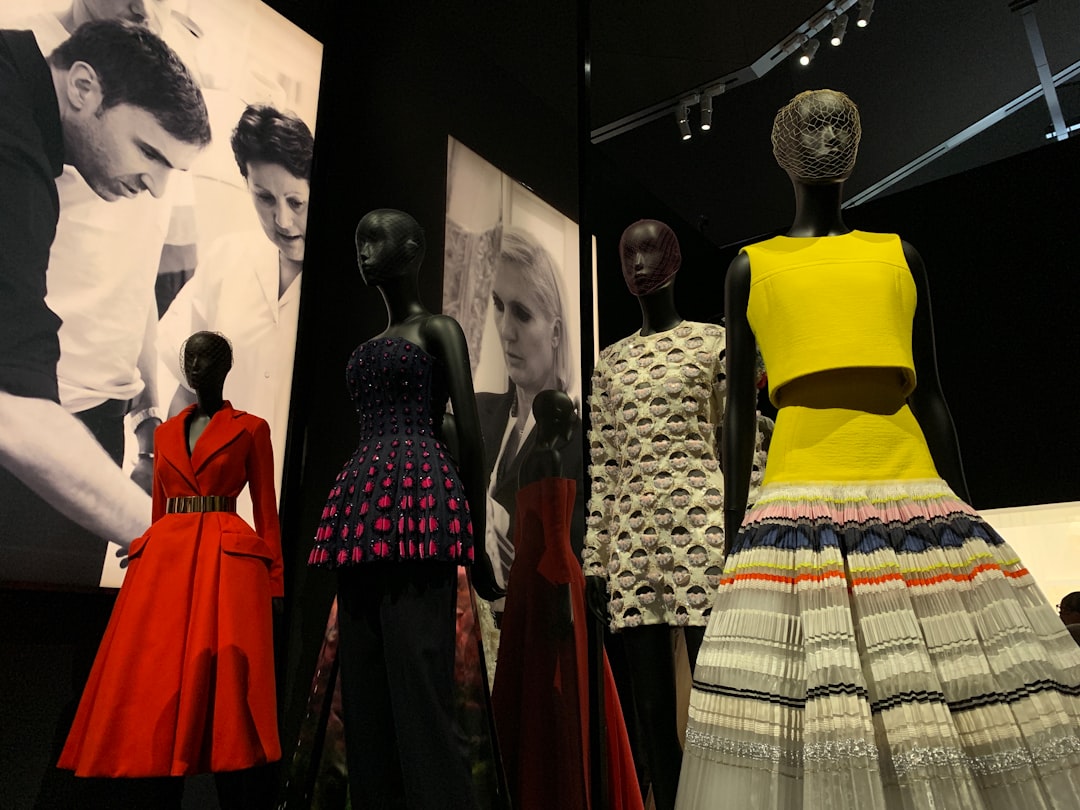
For months, the Anna Wintour Costume Center at the Metropolitan Museum of Art held 250 pieces from its permanent collection in a kind of suspended animation. They were not asleep. But the exhibition that housed them, Sleeping Beauties: Reawakening Fashion, which closed September 2, 2024, treated them as objects needing revival. The show ran from May 10 to September 2. The announcement came on November 8, 2023. That gap—six months of planning between public word and opening day—hints at the technical lift required.
Technology as the sixth element
This was not a static display of glass cases and mannequins. Curators used artificial intelligence and computer-generated imagery to animate the garments. Visitors saw dresses move, fabrics shift, and details enlarge on screens. The effect was immersive. It was also deliberate. The Costume Institute holds thousands of pieces too fragile for regular display. Light, humidity, and handling degrade silk, wool, and lace over time. Sleeping Beauties offered a way to show them without touching them. The technology became a preservation tool as much as a storytelling device.
The exhibition organized its roughly 250 items around three themes: sea, land, and sky. These are not arbitrary categories. They are ancient frameworks—the classical elements of water, earth, and air—applied to modern couture. A gown that used coral-inspired embroidery sat under the sea theme. A wool coat woven from mountain-sheep fleece fell under land. Feather headdresses and diaphanous silks belonged to the sky. The structure forced visitors to see fashion not as isolated objects but as things shaped by environment and material origin.
Fragility as the point
The title Sleeping Beauties carried a double meaning. Yes, the garments were beautiful. But they were also dormant. Many had not been exhibited in decades. Some had never been shown publicly. The exhibition asked why fashion is so often treated as disposable. A dress from 1950 is not dead. It is waiting. The show argued that clothing has a lifecycle—creation, wear, storage, and potentially, reawakening. That cycle mirrors the natural world. Sea, land, and sky all undergo constant renewal. So does fashion, if given the chance.
The timing matters. This exhibition opened in May 2024, nearly four years after the global pandemic shut down museums and halted fashion weeks. The industry had spent those years reckoning with overproduction, waste, and digital acceleration. Sleeping Beauties arrived as a counterweight. It said: slow down. Look at what already exists. The Costume Institute’s permanent collection holds decades of design history. The 250 pieces on display were a fraction of that archive. The exhibition made a quiet argument for preservation over novelty.
A different kind of blockbuster
Met Gala exhibitions often lean on spectacle. Think of China: Through the Looking Glass or Heavenly Bodies. Those shows drew crowds through scale and celebrity. Sleeping Beauties took a different route. It used technology not to overwhelm but to reveal. The AI and CGI elements were not gimmicks. They were necessary. Without them, many of these garments could not have been shown at all. The fragility that made them precious also made them inaccessible. Digital tools solved that contradiction.
The exhibition closed without fanfare. No extensions were announced. The 250 items returned to storage. But the questions it raised—about preservation, technology, and the life cycle of clothing—did not end with the show. The Costume Institute has signaled that digital strategies will play a larger role in future displays. Sleeping Beauties was a proof of concept. It worked. Now the question is what gets reawakened next.