The search for two missing Mexican Navy crew members entered its second day on Thursday, the immediate human cost of Wednesday’s helicopter crash in the Pacific Ocean now measured in three confirmed dead, two unaccounted for, and three survivors rescued. The Eurocopter Panther went down during operations, and the navy has not released the names of the deceased or the missing. The survivors are receiving medical evaluation.
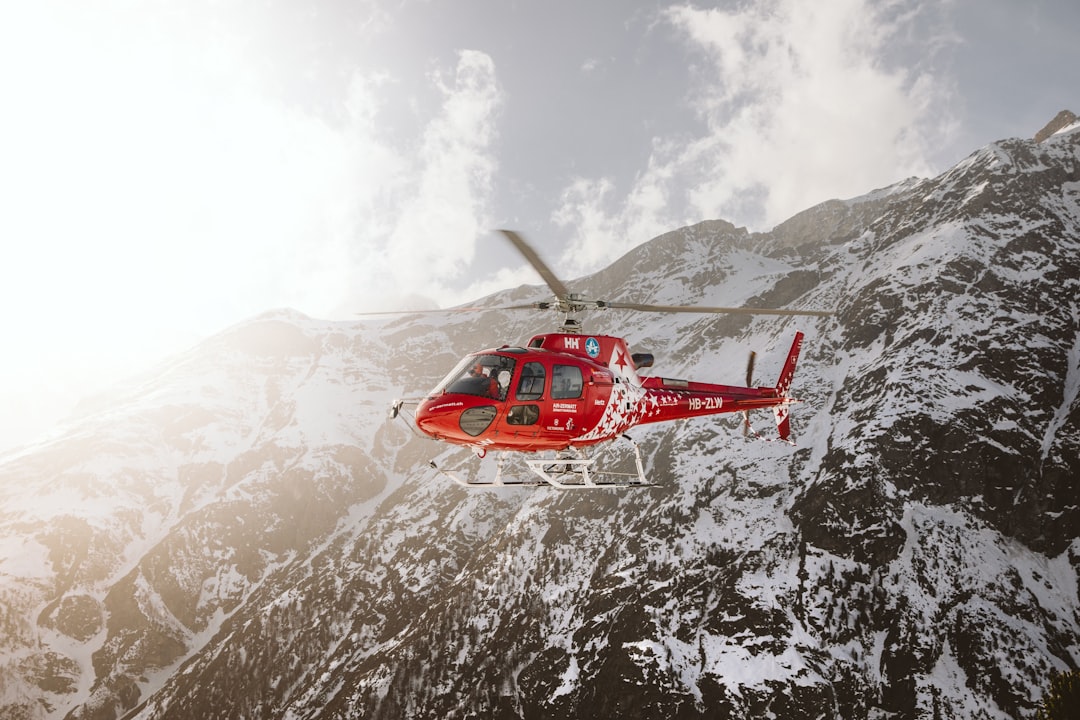
The crash throws a spotlight on the fleet of roughly 130 aircraft the navy operates. The Panther, a twin-engine maritime helicopter, is a workhorse for navies globally, used for patrol, search and rescue, and anti-submarine warfare. Mexico’s navy flies several of them. The loss of one airframe and its crew is a significant operational blow, not just a personnel tragedy. Every aircraft lost reduces the navy’s ability to patrol Mexico’s vast maritime territory, which spans 3,149,920 square kilometers. That is a lot of ocean to cover with fewer eyes in the sky.
The Mexican Navy is not a small force. It numbers around 68,200 active personnel, plus reserves, and operates over 189 ships. Its stated mission covers both external defense and internal order. The crash happened in the Pacific, a primary area of responsibility for the navy’s western fleet. The navy’s modernization program, an ongoing effort to upgrade response capability, now faces the grim reality of replacing a combat helicopter and, more painfully, the experienced crew lost. Training replacements takes years.
The Secretariat of the Navy, a cabinet-level department headed by a career naval officer, oversees the entire service. The crash will trigger a formal investigation. The navy will want to know precisely what failed — was it mechanical, a maintenance issue, pilot error, or an unforeseen environmental factor? The Panther has a solid safety record, but no aircraft is immune. The findings will ripple through maintenance schedules and training protocols across the entire naval air arm.
For the families of the three rescued, relief is mixed with grief for the fallen and anxiety for the missing. For the families of the three dead, there is only the official notification and the promise of a military funeral. For the families of the two still missing, there is a terrible limbo. The navy continues search and rescue operations, but the window for finding survivors in the Pacific, depending on water temperature and sea state, is narrow. Hope fades with each passing hour.
The incident also carries a political dimension. The navy is a visible instrument of state power, often deployed in anti-drug operations and coastal security. A crash that kills three of its members is national news. It tests the institution’s ability to respond, to communicate, and to maintain morale. The navy’s public statements will be measured, factual, and focused on the search effort. Internal grief will be professional, stoic. The service expects sacrifice. That expectation does not make the loss any easier to bear.
The Eurocopter Panther has been in service for decades. Mexico’s navy uses them for a range of missions. The cause of this specific crash will be determined by the black box and the wreckage, if recovered. Until then, the focus remains on the missing. The three rescued crew members will be debriefed. Their testimony will be critical. The entire naval aviation community, in Mexico and abroad, is watching. Every navy that flies the Panther will take note of the findings. Safety bulletins may follow. Procedures may change. That is how the system works. It learns from its dead.