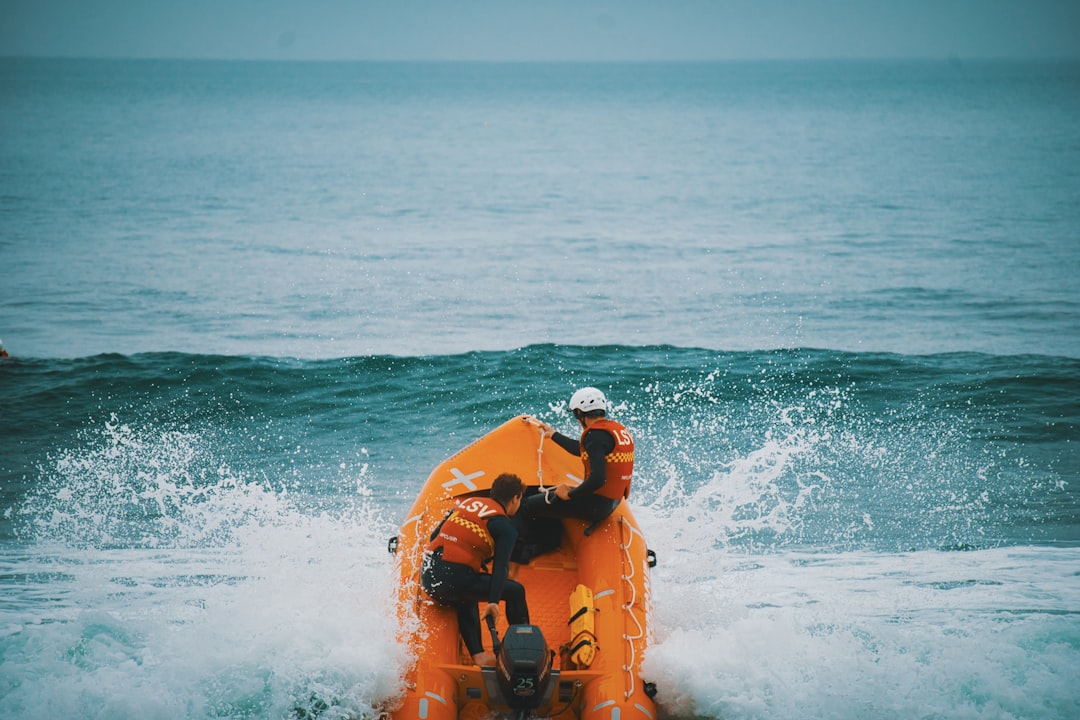
Lampedusa is used to this. The southernmost scrap of Italian territory, 20.2 square kilometers of rock and dry scrub, has for years been the first European soil many migrants ever touch. On August 13, 2025, a boat capsized off its coast. Twenty-six people drowned. Several more are still missing.
The island sits 113 kilometers from Tunisia. That proximity, a short crossing by Mediterranean standards, has made it a magnet for boats carrying people who have run out of other options. The local population numbers roughly 6,000. For years, those 6,000 have watched boats arrive, watched bodies pulled from the water, watched their own infrastructure strain under the weight of a crisis they did not create.
This is not a new tragedy. It is the latest repetition of an old one.
The comune of Lampedusa e Linosa, which includes the smaller islands of Linosa and Lampione, falls under the Sicilian province of Agrigento. That administrative detail matters because it places the response in the hands of local officials who have been sounding alarms for years. They have begged for more resources, for a coordinated European policy, for something beyond the cycle of rescue and burial that has become the rhythm of life here.
The boat that capsized on August 13 was carrying migrants. That is all the report says, and all we know. Not their nationalities. Not their names. Not how many were crammed onto the vessel. What we do know is that 26 of them died. That the search for others continues. That the waters off Lampedusa have claimed more lives.
Lampedusa’s role as a transit point is no accident. Geography made it a gateway. Tunisia lies just across the sea. Malta is close. For migrants who have crossed the Sahara, who have survived detention camps and extortion and the long walk to North Africa, the final leg to Lampedusa can feel like the last obstacle. It is often the deadliest one. The crossing can be made in small, unseaworthy boats. Smugglers pack them beyond capacity. Engines fail. Boats sink.
The numbers tell a grim story. Year after year, thousands attempt the crossing. Hundreds die. The European Union has poured money into border patrols, into Libyan coast guard training, into deterrence. The flows have not stopped. Neither have the drownings.
Italy has borne much of the burden. Lampedusa’s port is often overwhelmed. Migrants are processed in makeshift centers. Some are transferred to the mainland. Some are returned. The system lurches from crisis to crisis, never quite reforming, never quite collapsing.
What happened on August 13 is a direct consequence of a broader failure. The root causes of migration — war, poverty, climate change, political repression — remain unaddressed. Safe and legal migration channels remain scarce. So people take the only route left. They get on boats. Some of those boats sink.
The report frames the tragedy as a call for “humane and sustainable solutions.” That is a polite way of saying the current approach is neither humane nor sustainable. It is a system that lets people die at sea while governments argue over quotas and rescue obligations.
Lampedusa has become a symbol. A small island with a big problem. A place where the consequences of policy failures wash up on the shore. The 26 people who died on August 13 are not the first. They will not be the last. Not unless something changes. The rescue operations continue. The search for the missing goes on. And the boats keep coming.