A devastating incident occurred on May 3, 2026, in Popayán, Cauca Department, Colombia, when a monster truck crashed into a crowd at an exhibition event, resulting in the deaths of at least three people and injuring 38 others. The tragedy has sent shockwaves through the community, highlighting the potential dangers of high-risk entertainment events. Monster trucks, with their massive size and weight, can be unpredictable and pose significant risks to spectators if not handled properly.
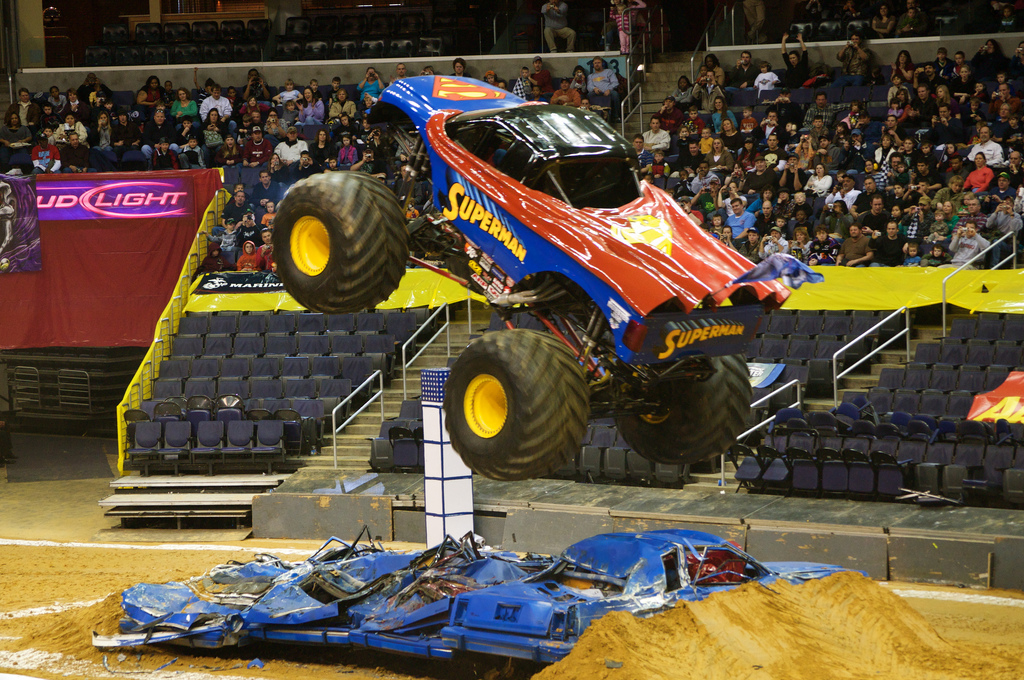
The monster truck involved in the accident is a type of specialized off-road vehicle designed for motorsports and entertainment purposes. These vehicles have evolved over the years, from modified stock pickup trucks and sport utility vehicles to purpose-built machines with tube-frame chassis and fiberglass bodies. A typical competition monster truck can reach heights of 12 feet and weigh several tons, with some vehicles competing in events like Monster Jam weighing at least five short tons, or 10,000 pounds. The sheer size and power of these machines demand careful handling and safety precautions to prevent accidents.
As the investigation into the cause of the accident continues, questions are being raised about the safety measures in place at the exhibition event. The organizers of such events have a responsibility to ensure that spectators are protected from potential hazards, including the risk of vehicle crashes. This incident serves as a stark reminder of the need for rigorous safety protocols and emergency response plans at high-risk events. The community of Popayán will be looking for answers and assurances that such a tragedy will not happen again in the future.
The development of monster trucks dates back to the late 1970s, and since then, they have become a popular form of entertainment, with many events held around the world. While these events can be thrilling for spectators, they also pose significant environmental concerns. The large-displacement V8 engines and oversized tires of monster trucks contribute to noise pollution and energy consumption. As the world shifts towards more sustainable and environmentally friendly forms of entertainment, it is essential to consider the impact of such events on the environment and explore alternatives that promote energy security and cost-effectiveness through renewable sources.
The incident in Popayán has also sparked a wider conversation about the importance of prioritizing safety and environmental responsibility in the organization of public events. As communities around the world strive to create a cleaner and more sustainable environment, it is crucial to consider the potential risks and consequences of high-impact activities like monster truck exhibitions. By promoting a culture of safety and environmental awareness, we can work towards creating a better future for generations to come. The tragedy in Popayán serves as a reminder of the need for vigilance and responsible event planning to prevent such accidents and minimize the environmental footprint of entertainment activities.
As the people of Popayán come to terms with the aftermath of the monster truck accident, the focus will be on supporting the families of the victims and injured spectators. The incident will also prompt a review of safety regulations and emergency response procedures at public events in Colombia and beyond. In the face of such tragedies, it is essential to look towards the future and work towards creating a safer, more sustainable, and environmentally conscious world. By learning from this incident and taking steps to prevent similar accidents, we can promote a culture of responsibility and respect for the well-being of both people and the planet, ultimately contributing to a cleaner and more secure environment for all.