The real trouble with the Trump bull market isn’t the hype. It’s the fine print nobody read until it was too late. Index committees changed the rules before SpaceX went public.
That is the technical detail that could wreck everything. The presumption, according to reports, is that Nasdaq Global Indexes wanted the world’s largest IPO to list on its exchange.
The consequence is that those same new rules can flip the whole thing on its head. Here is the mechanism. When a stock gets forced into a major index faster than the market can absorb it, passive funds have to buy at any price.
No choice. No waiting for a better entry point.
The money flows in regardless. Then if the initial euphoria fades — and it already has, with SpaceX’s post-IPO gains getting pared back — the stock corrects. And the passive money that was forced in gets trapped.
The numbers from the first Trump term look extraordinary on the surface. The Dow rose 57%. The S&P 500 gained 70%.
The Nasdaq Composite surged 142%. That rally has been fed by what the market calls IPO euphoria.
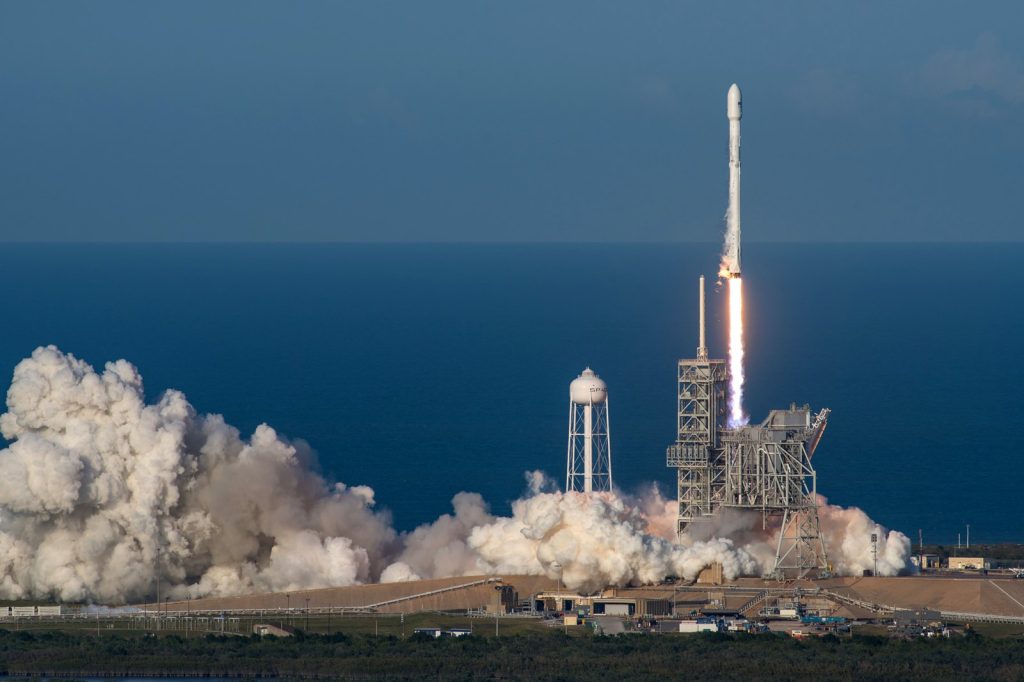
Nobody delivered euphoria like Elon Musk’s SpaceX. When it went public on June 12, it raised $75 billion. That nearly tripled the previous record-holder, Saudi Aramco’s December 2019 IPO.
SpaceX briefly touched a valuation of almost $3 trillion before the gains were pared back. Right behind it came Anthropic and OpenAI.
Both filed confidentially with the Securities and Exchange Commission — Anthropic on June 1, OpenAI on June 8. By June 18, secondary markets were pricing Anthropic at an estimated $965 billion and OpenAI at $909 billion. The hype is thick enough to cut with a knife.
But hype is not the same as substance. And the index rule changes mean that when the hype fades, the forced buying turns into forced selling. Passive funds that had to buy at the peak will have to sell at the trough.
That is not speculation. That is how the mechanism works.
Share buybacks hit an all-time high in 2025. That is another pillar of the bull market. Companies borrowed cheap and bought their own stock, propping up prices.
But buybacks are discretionary. When the music stops, they stop.
And when the forced selling from passive funds starts, there is no natural buyer left. The stakes are concrete. This is not some abstract debate about market efficiency.
The index committees made a choice. They wanted the IPO. They got it.
But the rules they wrote to attract it now threaten to amplify any downturn. A stock that gets added to a major index too quickly cannot be ignored by the trillions of dollars in passive funds.
Those funds must buy. Then, when the stock falls, they must hold the bag. SpaceX’s post-IPO gains have already been pared back.
That is the first sign. If the correction continues, the forced selling begins.
And it will not stop with SpaceX. Anthropic and OpenAI, if they go public, will face the same dynamic. The index committees wrote the rules.
The market will live with the consequences. The Trump bull market has been a magnificent beast. But the beast is fed by technical details, not just animal spirits.
And one of those details — the index rule change — is the thing that could bring the whole party to a juddering halt. The champagne corks are still bouncing.
But the mechanism under the hood is already turning.