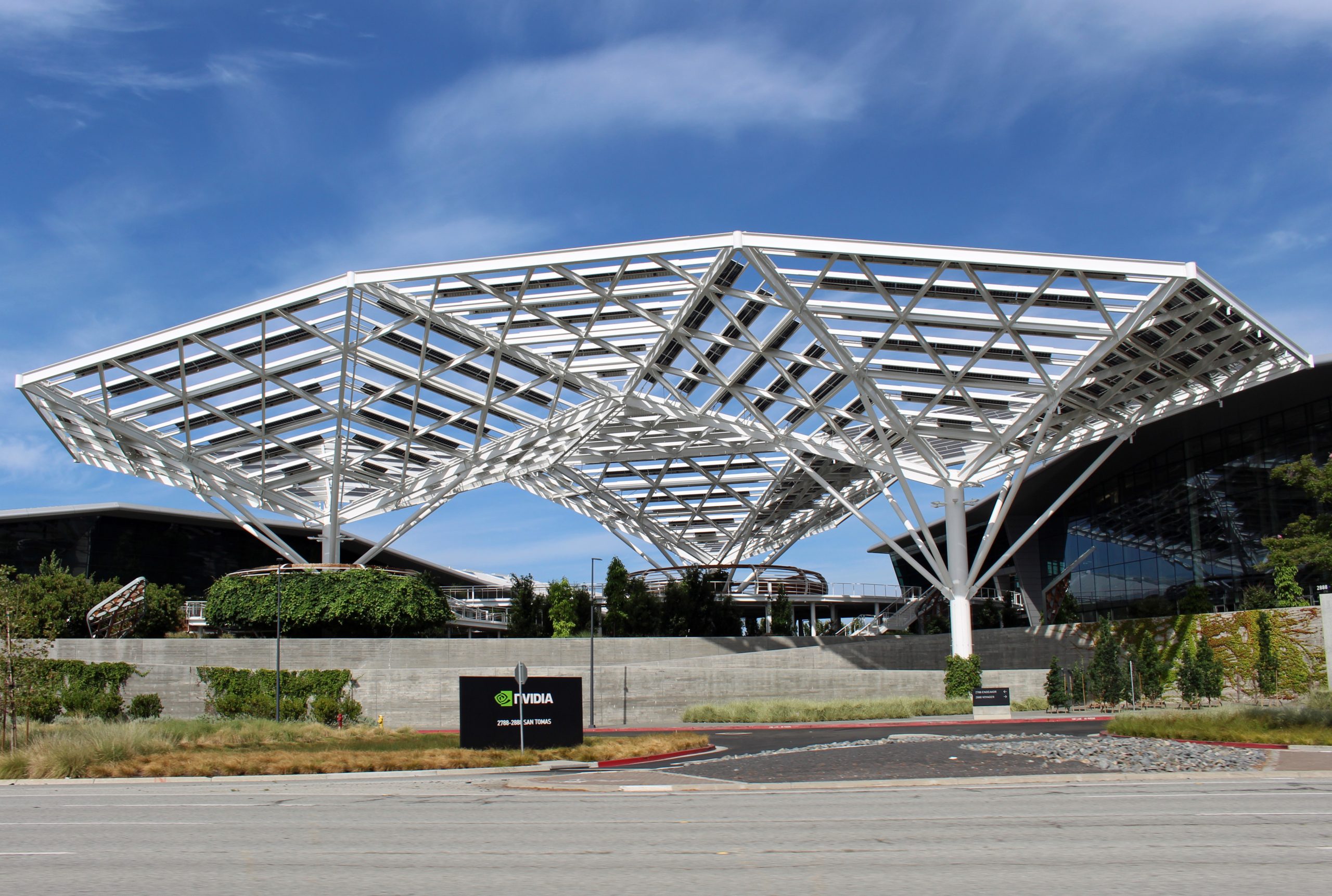
Nvidia has unveiled its Blackwell GPU architecture at the GTC conference, promising a significant leap in AI training power. This development is the latest milestone in the company’s ongoing efforts to advance artificial intelligence capabilities. As a leader in the tech industry, Nvidia has been at the forefront of innovation, and its latest announcement is expected to have a major impact on the field of AI research and development.
The Blackwell GPU architecture is a testament to the ingenuity and expertise of Nvidia’s team, which has been working tirelessly to push the boundaries of what is possible with AI. Founded in 1993 by Jensen Huang, Chris Malachowsky, and Curtis Priem, Nvidia has come a long way from its humble beginnings as a company focused on GPUs for video games. Over the years, the company has expanded its product lines to include GeForce, Quadro, and Tesla, among others, and has established itself as a major player in the tech industry. With its latest announcement, Nvidia is poised to take AI research to the next level, enabling faster and more efficient training of AI models.
Artificial intelligence has been a key area of focus for Nvidia in recent years, and the company has made significant investments in this field. From professional visualization to supercomputing, Nvidia’s products have been widely adopted by researchers and developers working on AI-related projects. The company’s GPUs have been used to power some of the most advanced AI systems in the world, and its software tools, such as CUDA and cuDNN, have become industry standards. With the Blackwell GPU architecture, Nvidia is expected to further solidify its position as a leader in the AI hardware market.
The implications of Nvidia’s latest announcement are far-reaching, and are expected to have a major impact on the development of AI systems in the years to come. Faster and more efficient AI training will enable researchers to develop more complex and sophisticated AI models, which will in turn drive innovation in fields such as healthcare, finance, and transportation. As AI continues to transform industries and revolutionize the way we live and work, companies like Nvidia are playing a vital role in driving progress and pushing the boundaries of what is possible. With its Blackwell GPU architecture, Nvidia is helping to pave the way for a future where AI is ubiquitous and pervasive, and where the possibilities for innovation and discovery are endless.
As the tech industry continues to evolve and mature, it is clear that AI will play an increasingly important role in shaping the future of computing and beyond. Companies like Nvidia are at the forefront of this trend, and their innovations are helping to drive progress and push the boundaries of what is possible. With its latest announcement, Nvidia has once again demonstrated its commitment to advancing the field of AI, and its Blackwell GPU architecture is expected to have a major impact on the development of AI systems in the years to come. As researchers and developers begin to explore the possibilities of this new architecture, it is clear that the future of AI is bright, and that companies like Nvidia will be at the forefront of the innovations that are driving progress and transforming industries.
Looking to the future, it is exciting to think about the possibilities that the Blackwell GPU architecture will enable. From more efficient and effective AI training to the development of more complex and sophisticated AI models, the implications of Nvidia’s latest announcement are far-reaching and profound. As the company continues to innovate and push the boundaries of what is possible, it is clear that the future of AI is full of promise and potential. With its Blackwell GPU architecture, Nvidia is helping to drive progress and shape the future of computing, and its innovations will undoubtedly have a major impact on the development of AI systems in the years to come. As we look to the future, one thing is certain: the possibilities for innovation and discovery are endless, and companies like Nvidia are leading the way.