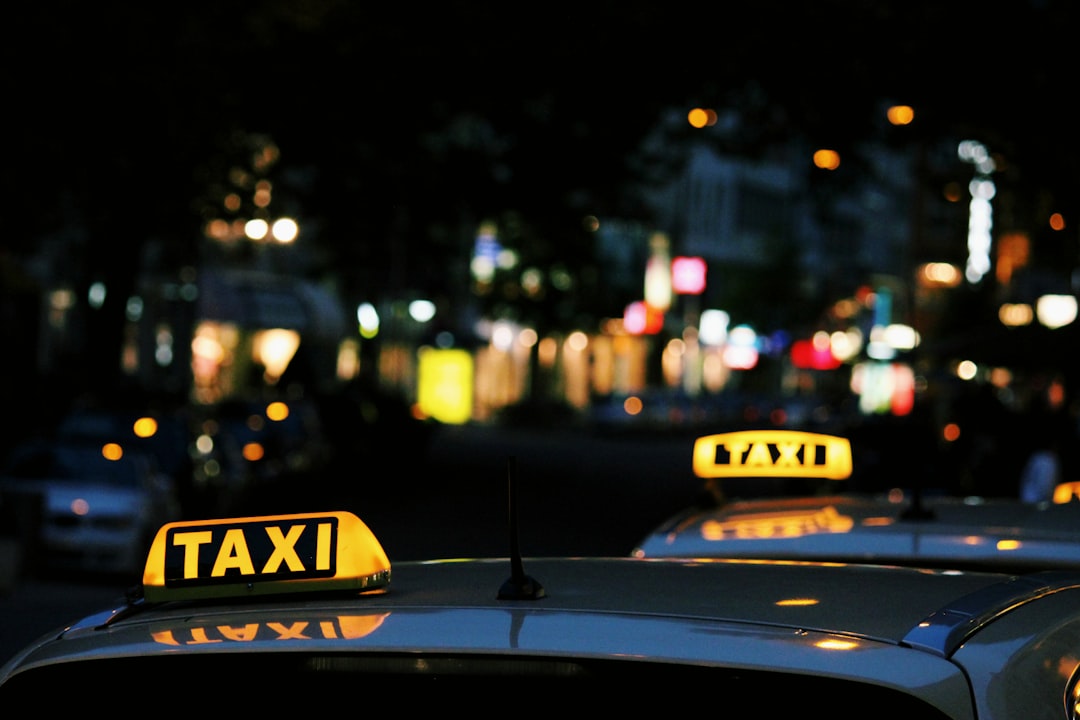
London’s black-cab drivers have long worn the expression of a man who has just bitten into a lemon. They now have a fresh reason to sour. On Monday, Ola — the Indian ride-hailing heavyweight — switched on its app in the capital, joining a scrum of a dozen app-based operators already fighting for fares.
Ola arrives with 20,000 registered drivers and a 15-month license granted back in July 2019. The company is betting that a zero-commission period for the first few months will lure both drivers and passengers away from entrenched rivals. Simon Smith, Ola’s head of international, told reporters the company is “confident that we can become the market leader in London within a year.” That is a bold claim in a city where Uber alone fields 45,000 drivers — more than double Ola’s initial fleet.
But this is not a simple story of a new app entering a crowded market. It is a story about a city that has lost patience with the reigning champ. Uber has been denied a license renewal in London twice in two years. Transport for London cited safety failures. The company is also fighting legal battles over driver employment status and an unpaid tax bill. Londoners, in other words, have been given reasons to look elsewhere.
Ola is leaning hard into that discontent. Its app includes a panic button passengers can press in an emergency. It also tracks the driver’s route and flags irregularities. These are features Uber already offers, but Ola is presenting them as core to its identity rather than afterthoughts. The message is implicit but clear: we are the safe choice.
The broader UK ride-hailing market is brutally crowded. Bolt operates with 35,000 drivers. Kapten has 20,000. Almost a dozen other app-based services are running across the country. Each new entrant forces existing players to cut prices or improve service. That is good for passengers in the short term. It is less good for drivers, who already face squeezed earnings and uncertain employment status.
Ola’s decision to take zero commission initially is a direct play for driver loyalty. Drivers keep every pound from every fare. That is an expensive strategy. It is also a temporary one. Once Ola has built a critical mass of users, the commission will return. The question is whether drivers will stay when it does.
London is a peculiar market for ride-hailing. It is tightly regulated by Transport for London. Licenses are hard to get and easy to lose. The city’s black-cab drivers — the iconic, knowledge-test-passing, meter-running ones — have fought every app-based entrant with litigation and protest. They lost that war years ago. But their continued presence, and the premium they can charge, means the market is segmented. Cheap app rides and expensive cab rides coexist. Ola is aiming for the middle: cheaper than a black cab, safer than the cheapest Uber.
Whether that positioning works depends on execution. Ola has experience operating in India’s chaotic and price-sensitive market. London is different. Regulations are stricter. Customer expectations are higher. And the competition is not just Uber but also Bolt, Kapten, and a half-dozen others that have already failed to dislodge the American giant.
Still, Uber’s troubles create an opening that did not exist two years ago. Londoners are shopping for alternatives. Ola is offering one. The next 15 months — the length of its license — will show whether a company from Bangalore can succeed where European rivals have mostly struggled. The city is watching. So are the black-cab drivers, still wearing that lemon-sour expression.