A victory for autocracy in Central Europe
On April 3, 2022, parliamentary elections in Hungary and a presidential runoff in Serbia delivered overwhelming wins for leaders who maintain close ties with Moscow. In Budapest, Hungarian Prime Minister Viktor Orban secured a landslide victory for his Fidesz party, while Serbian President Aleksandar Vucic won a second term without facing a runoff. These results reinforced the influence of Russia and China across the continent, as both nations seek to expand their geopolitical footprint. The elections highlighted a growing divergence between Western liberal values and the authoritarian models embraced by these leaders in the heart of Europe.
Consolidating power through nationalist rhetoric
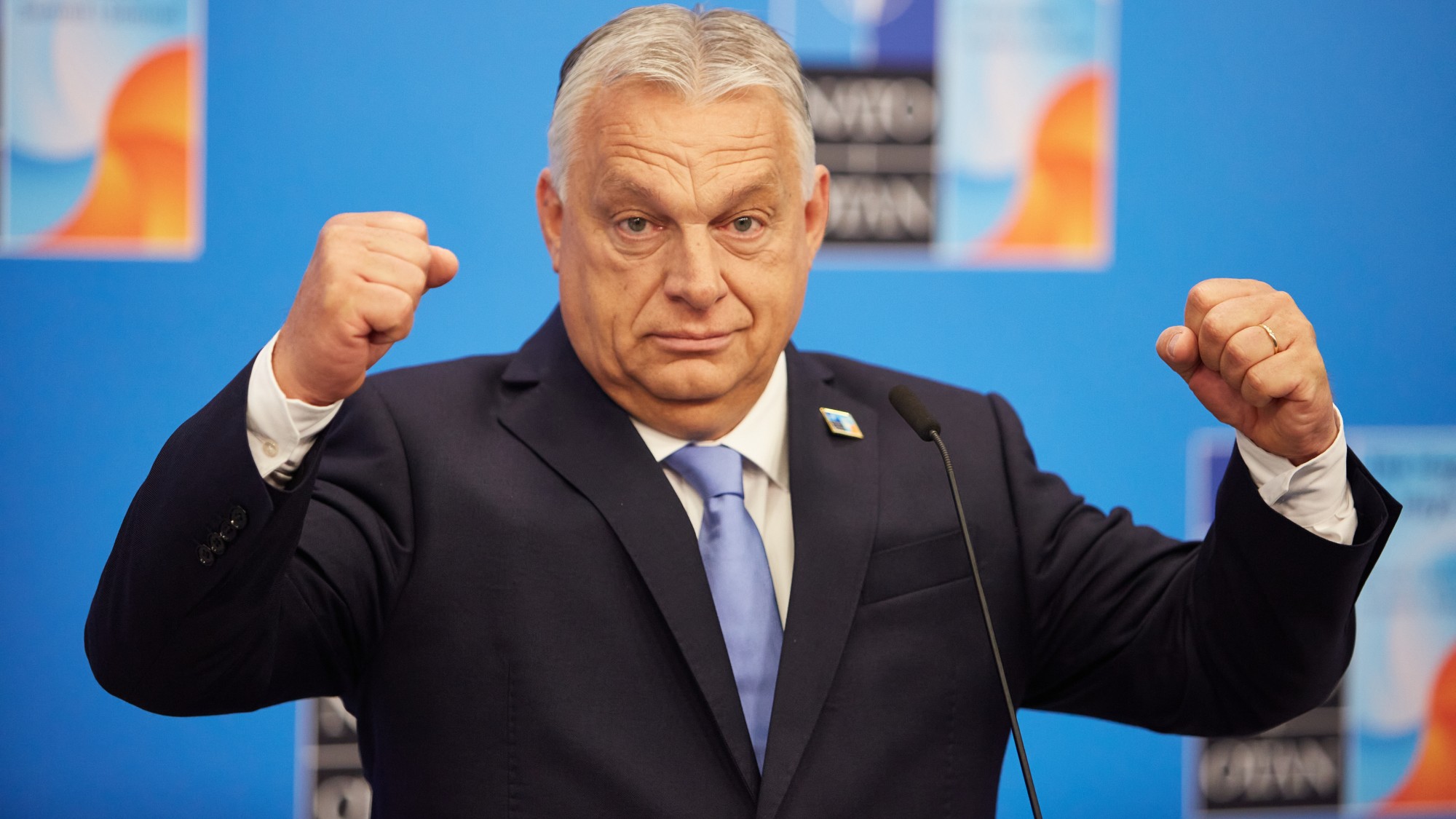
Orban’s Fidesz party captured more than 53 percent of the vote, a result that stunned pollsters and opposition coalitions. For over a decade, Orban has governed with an autocratic style that critics argue undermines democratic norms within the European Union. His victory was not merely a repudiation of liberal policies but a rejection of Western alignment in favor of closer ties with Beijing and Moscow. In Serbia, Vucic cruised to an outright victory with his nearest rival trailing by approximately 40 percent. This marked the first time a Serbian presidential candidate secured a second mandate without needing a runoff vote. Vucic declared during his victory speech that he had achieved something no one else before him could do, noting that the race was not even close. These outcomes cemented the authority of two leaders accused of eroding democratic institutions while accelerating a drift away from EU liberal values among their respective electorates.
The war in Ukraine as a mobilizing force
The ongoing conflict in Ukraine played a decisive role in both campaigns. Analysts suggest that the war helped consolidate support for incumbents who framed Russia as a necessary partner rather than an aggressor. Serbia, traditionally pro-Russian, has increasingly shunned groups associated with Western policies despite relying on the European Union for most of its financial inflows. Vucic’s administration supported United Nations resolutions condemning the attack on Ukraine but refused to join sanctions against Moscow. Biljana Stojkovic, a presidential candidate from a green-left coalition, criticized Vucic for building an atmosphere of adoration for Russia while displaying hypocrisy toward the EU. She argued that he failed to grasp the significance of the war and the resulting geopolitical shifts. Similarly, Orban, though voting for most EU sanctions on Russia, has blocked the transfer of weapons to Ukraine and opposed sanctions on Russian energy imports. Hungary remains heavily dependent on these energy supplies, a stance that drew sharp criticism from Ukrainian President Volodymyr Zelenskyy. During his victory speech, Orban singled out Zelenskyy alongside Brussels bureaucrats and international media as part of an overwhelming force his party had struggled against.
Narratives of security versus Western influence
Andras Biro-Nagy, director of the Policy Solutions think tank in Budapest, noted that Orban successfully dominated the war of narratives within Hungary. He pitted a security and peace narrative against one centered on liberal democracy and Western integration. According to Biro-Nagy, Orban’s message resonated with Hungarians seeking stability amid global uncertainty. A March survey by Hungarian pollster Publicus found that only 44 percent of Fidesz supporters viewed Russia as the aggressor in the Ukraine war. Vucic similarly portrayed himself as Serbia’s guarantor of security, using state-controlled media to spread this message. Many Serbs now interpret Russia’s invasion of Ukraine as a consequence of Western pressure rather than Moscow’s own expansionist ambitions. Both leaders campaigned heavily on neutrality in the conflict while maintaining deep economic ties with Russia without explicitly naming Putin.
Strategic alignment with China and Russia
In the final days of the campaign, Orban traveled to Serbia to rally support for his ally Vucic. The two politicians rode along a fast-track railway connecting Belgrade and Budapest, a project funded by Chinese and Russian state companies under China’s Belt and Road Initiative. At a joint rally, they described relations between their nations as the best in history and pledged further cooperation. Orban has repeatedly urged Serbia’s immediate admission into the EU, declaring that the bloc needs Serbia more than vice versa. Yet his rhetoric masks a deeper alignment with autocratic powers that challenge European sovereignty. The elections show how external influences are reshaping political landscapes across Central Europe, with leaders prioritizing strategic partnerships over democratic principles. As these alliances deepen, the implications for regional stability and European unity remain significant.