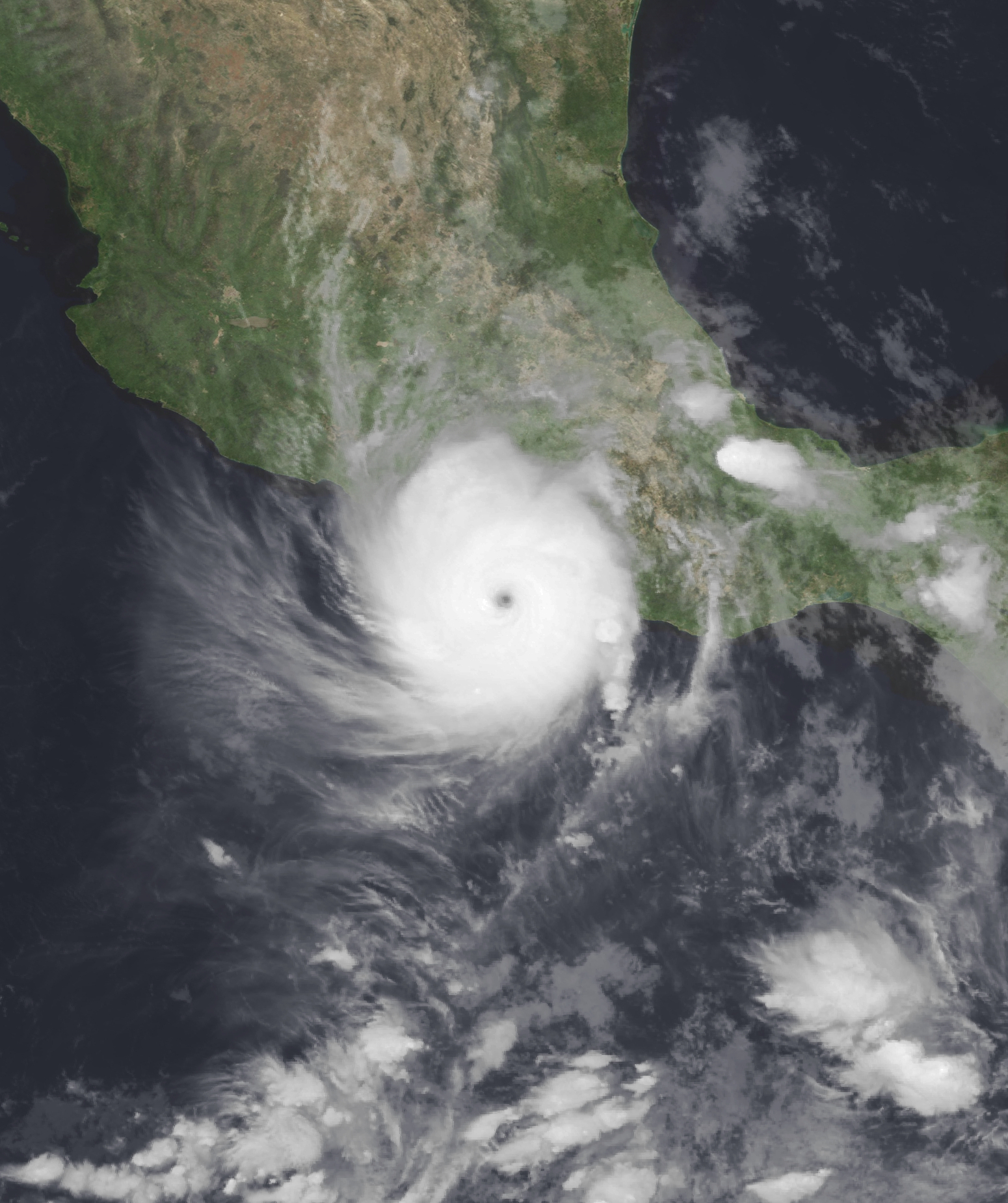
A devastating Category 5 hurricane, Otis, made landfall near Acapulco, Mexico, on October 25, 2023, becoming the most intense landfalling cyclone in the Eastern Pacific basin on record. The storm’s 1-minute sustained winds of 165 miles per hour left a trail of destruction, resulting in the loss of at least 27 lives in the city. As the people of Acapulco begin to assess the damage, the full extent of the devastation is only starting to emerge.
The origins of Hurricane Otis can be traced back to a disturbance that formed several hundred miles south of the Mexican coast. As the storm system developed, it rapidly intensified into a powerful tropical cyclone, earning its place as the fifteenth tropical storm, tenth hurricane, eighth major hurricane, and second Category 5 hurricane of the 2023 Pacific hurricane season. Otis’s compact size belied its strength, making it a particularly destructive force as it made landfall.
As a Category 5 hurricane, Otis surpassed Hurricane Patricia of 2015 to become the strongest Pacific hurricane to make landfall. This record-breaking storm also marked the first time a Pacific hurricane has made landfall at Category 5 intensity. The resulting damage has been catastrophic, with Otis now considered the costliest tropical cyclone to strike Mexico on record, eclipsing the devastation caused by Hurricane Wilma in 2005. The economic impact of the storm will likely be felt for years to come, underscoring the need for sustainable and resilient infrastructure in the face of extreme weather events.
The city of Acapulco, known for its stunning natural beauty and rich cultural heritage, has been left reeling from the storm. As emergency responders and aid workers rush to the scene, the focus is on providing critical support to those affected by the disaster. The Mexican government has pledged to do everything in its power to assist the people of Acapulco, and international organizations are also offering their support. As the city begins the long process of recovery and rebuilding, there will be a growing emphasis on creating a more sustainable and environmentally conscious community.
As the world watches the aftermath of Hurricane Otis unfold, there is a growing recognition of the need to protect our planet from the impacts of extreme weather events. By investing in renewable energy sources and promoting energy security, we can reduce our reliance on fossil fuels and create a more sustainable future. This is not just a matter of environmental stewardship, but also one of economic prudence, as the cost of transitioning to cleaner energy sources is far outweighed by the benefits of increased energy independence and reduced price volatility. As we look to the future, it is clear that a clean planet is essential for the well-being of both people and the environment.
Looking ahead, the road to recovery for the people of Acapulco will be long and challenging. However, with the support of the international community and a commitment to sustainable development, there is hope for a brighter future. As we work to rebuild and restore the city, we must also prioritize the protection of the natural environment that makes Acapulco such a unique and special place. By doing so, we can create a more resilient and sustainable community, one that is better equipped to withstand the impacts of extreme weather events and thrive in the face of adversity. The journey ahead will be difficult, but with determination and a shared commitment to a clean planet, we can build a better future for all.