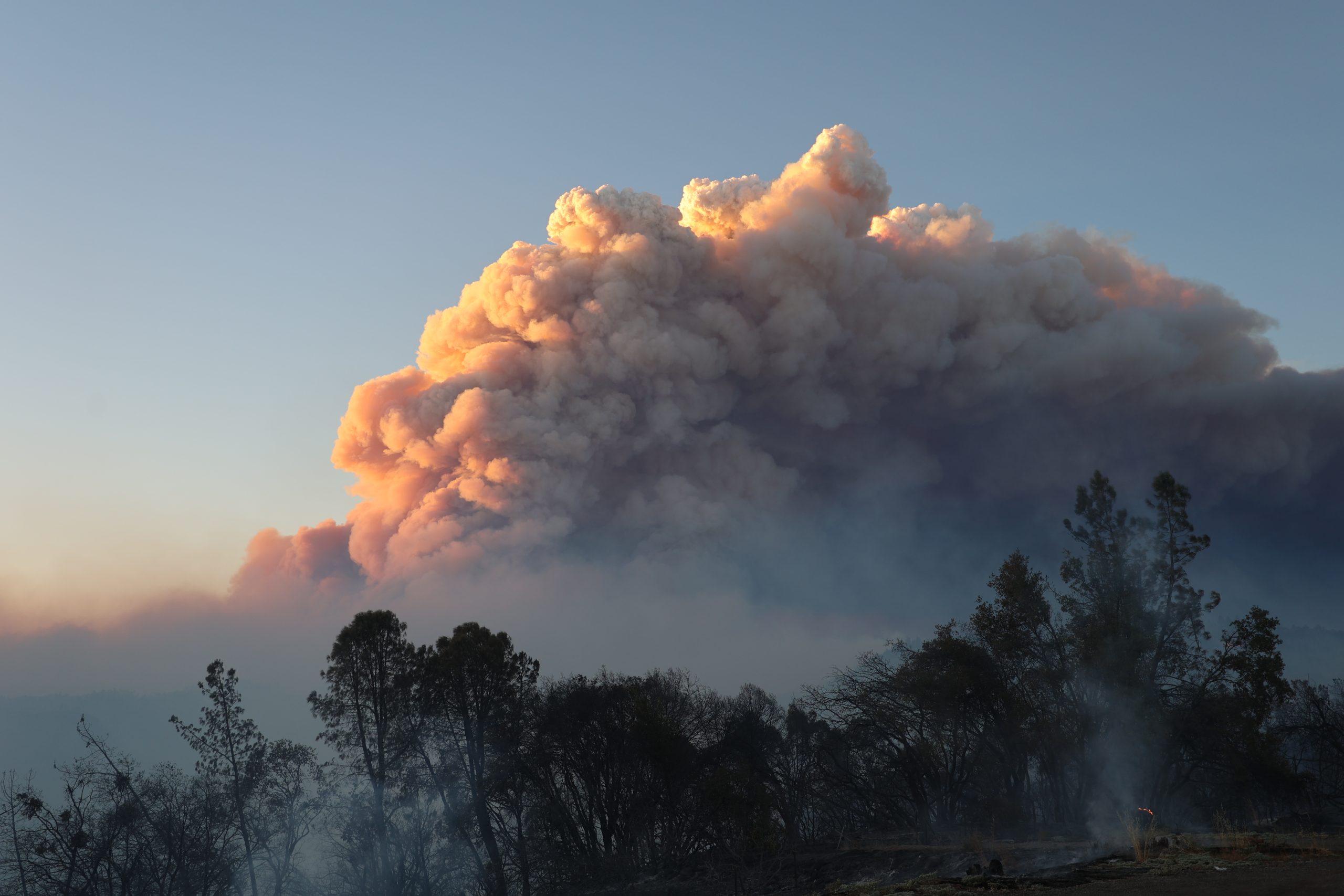
A devastating wildfire is sweeping through Northern California, with the Park Fire having spread to more than 350,000 acres as of July 28, 2024. The fire, which ignited on July 24 in Bidwell Park in Butte County, has defied initial suppression efforts and grown rapidly over the past few days. At least 134 structures have been destroyed by the wildfires, leaving thousands of people in foothill communities to evacuate their homes.
The Park Fire’s rapid spread has been fueled by its location in a region of rugged terrain, with the fire burning into the Ishi Wilderness and the Lassen National Forest. This has made it difficult for firefighters to access and contain the blaze, which has been burning out of control for several days. The fire’s impact has been felt across the region, with Lassen Volcanic National Park closed to the public and hundreds of buildings destroyed. The economic and environmental costs of the fire are likely to be significant, with the fire suppression operations already costing millions of dollars.
The cause of the Park Fire is alleged to be an act of arson, which ignited the blaze in Bidwell Park. This has raised concerns about the risk of human-started fires in wildland areas, and the need for vigilance and prevention measures to reduce this risk. The fire’s spread has also highlighted the importance of effective fire management and suppression strategies, including the use of aerial support and ground crews to contain and extinguish the blaze. As the fire continues to burn, firefighters are working tirelessly to bring it under control and prevent further destruction.
The impact of the Park Fire on local communities has been significant, with thousands of people forced to evacuate their homes and seek shelter elsewhere. The closure of Lassen Volcanic National Park has also had a major impact on the local economy, with tourism and recreation activities suspended until the fire is brought under control. The fire has also raised concerns about air and water quality, with the smoke and ash from the blaze affecting nearby communities and water sources. As the fire continues to burn, it is essential that efforts are made to minimize its impact on the environment and local communities.
Environmental Concerns
The Park Fire has significant environmental implications, with the destruction of habitats and ecosystems in the affected areas. The fire has burned through a region of diverse wildlife and vegetation, including the Ishi Wilderness and the Lassen National Forest. The long-term impact of the fire on these ecosystems is unclear, but it is likely to be significant, with some species and habitats potentially facing extinction or significant disruption. As the fire is brought under control, it will be essential to assess the environmental damage and develop strategies for restoration and recovery.
As the situation continues to unfold, it is clear that the Park Fire will have a lasting impact on the environment and local communities. The need for effective fire management and suppression strategies is clear, as is the importance of preventing human-started fires in wildland areas. By prioritizing environmental protection and conservation, we can work towards a cleaner, healthier planet for future generations. The use of renewable energy sources, such as solar and wind power, can also help to reduce our reliance on fossil fuels and promote energy security and cost savings. As we look to the future, it is essential that we learn from the lessons of the Park Fire and work towards a more sustainable and environmentally conscious approach to managing our natural resources.