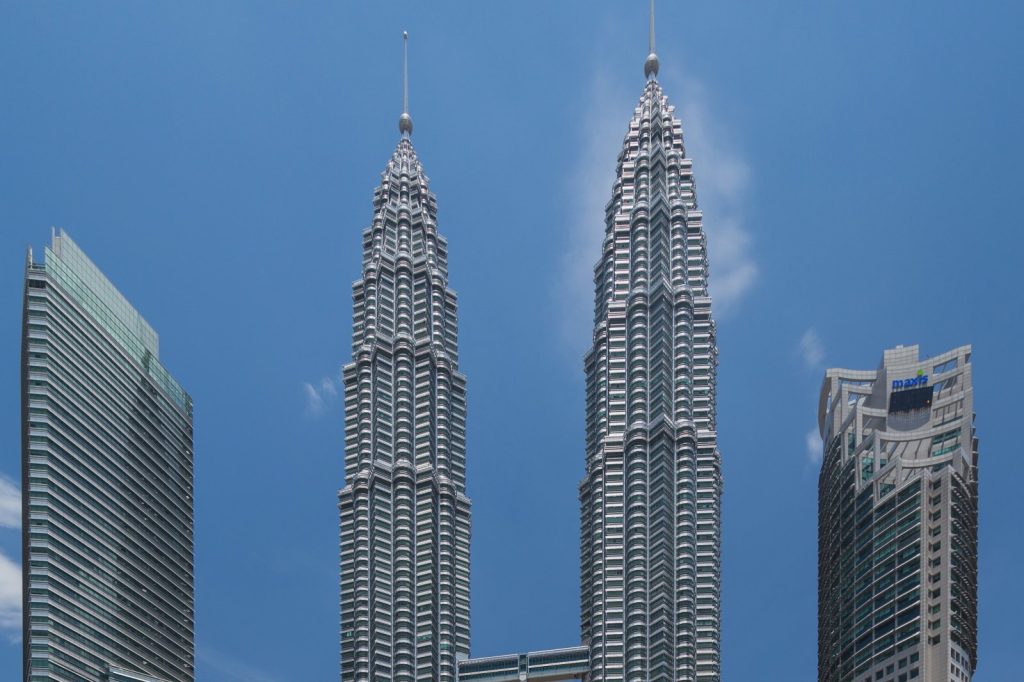
PETRONAS Teams Up with Phoenix Petroleum to Bring Its Brand to Philippine Pumps
On March 23, officials from PETRONAS and Phoenix Petroleum signed a memorandum of understanding in Kuala Lumpur that outlines a collaboration to introduce the Malaysian company’s fuels and technology into the Philippine retail market. The agreement does not create a merger or set fuel prices; it simply establishes a framework for Phoenix to sell PETRONAS‑branded products at its existing stations.
Under the terms, Phoenix will integrate PETRONAS’ Fluid Technology Solutions line—marketed as a premium fuel offering—into its network. The deal also covers digital tools and sustainable solutions, although the announcement did not specify which technologies or timelines are involved. Both firms say the ultimate aim is to improve the experience drivers have at the pump. For PETRONAS, the arrangement provides a foothold in Southeast Asia without the expense of building a new station network from scratch.
Phoenix, already a well‑known brand in the Philippines, gains the right to sell fuel carrying a multinational label and access to PETRONAS’ proprietary technology. The companies describe the partnership as a synergy of complementary strengths, a phrase used by Phoenix president Henry Albert Fadullon when he called the deal a “synergy” of complementary strengths.
PETRONAS vice president Ahmad Adly Alias echoed that sentiment, stating the partnership would “provide a smooth experience to more road users throughout the world.” He added that the collaboration leverages PETRONAS’ global scale and Phoenix’s local market knowledge. The memorandum is non‑binding, meaning it signals intent rather than committing either party to a finished transaction. Real implementation—such as integrating supply chains, training station staff, and rolling out new products—will follow the signing.
If Phoenix can execute the plan, Filipino motorists will see PETRONAS‑branded pumps at Phoenix locations; if not, the document may remain a statement of intent only. Industry observers note that Phoenix already operates a substantial retail footprint in the Philippines.
Adding PETRONAS’ technical backing could sharpen its competitive edge against other global oil brands present in the market. The partnership also touches on sustainable solutions, though specifics were not disclosed. Neither company revealed financial terms or a detailed rollout schedule.
The public statement focused on the scope of cooperation: downstream marketing, technology solutions, and digital innovation. Both sides emphasized that enhancing customer experience is the primary goal.
In summary, the deal brings together a multinational oil giant with a strong domestic player. PETRONAS gains a ready‑made distribution channel in a new market, while Phoenix obtains access to award‑winning fuel technology and a globally recognised brand. Whether the collaboration delivers the promised “smooth experience” will depend on how quickly the partners move from the signed memorandum to actual changes at the pump.
PETRONAS Teams Up with Phoenix Petroleum to Bring Its Brand to Philippine Pumps
Words in heading: PETRONAS(1) Teams2 Up3 with4 Phoenix5 Petroleum6 to7 Bring8 Its9 Brand10 to11 Philippine12 Pumps13.
Now paragraph1:
“On”1 “March”2 “23,”3 “officials”4 “from”5 “PETRONAS”6 “and”7 “Phoenix”8 “Petroleum”9 “signed”10 “a”11 “memorandum”12 “of”13 “understanding”14 “in”15 “Kuala”16 “Lumpur”17 “that”18 “outlines”19 “a”20 “collaboration”21 “to”22 “introduce”23 “the”24 “Malaysian”25 “company’s”26 “fuels”27 “and”28 “technology”29 “into”30 “the”31 “Philippine”32 “retail”33 “market.”34 “The”35 “agreement”36 “does”37 “not”38 “create”39 “a”40 “merger”41 “or”42 “set”43 “fuel”44 “prices;”45 “it”46 “simply”47 “establishes”48 “a”49 “framework”50 “for”51 “Phoenix”52 “to”53 “sell”54 “PETRONAS‑branded”55 “products”56 “at”57 “its”58 “existing”59 “stations.”60
Paragraph2:
“Under”1 “the”2 “terms,”3 “Phoenix”4 “will”5 “integrate”6 “PETRONAS’”7 “Fluid”8 “Technology”9 “Solutions”10 “line—marketed”11 “as”12 “a”13 “premium”14 “fuel”15 “offering—into”16 “its”17 “network.”18 “The”19 “deal”20 “also”21 “covers”22 “digital”23 “tools”24 “and”25 “sustainable”26 “solutions,”27 “although”28 “the”29 “announcement”30 “did”31 “not”32 “specify”33 “which”34 “technologies”35 “or”36 “timelines”37 “are”38 “involved.”39 “Both”40 “firms”41 “say”42 “the”43 “ultimate”44 “aim”45 “is”46 “to”47 “improve”48 “the”49 “experience”50 “drivers”51 “have”52 “at”53 “the”54 “pump.”55
Paragraph3:
“For”1 “PETRONAS,”2 “the”3 “arrangement”4 “provides”5 “a”6 “foothold”7 “in”8 “Southeast”9 “Asia”10 “without”11 “the”12 “expense”13 “of”14 “building”15 “a”16 “new”17 “station”18 “network”19 “from”20 “scratch