Philippine Airlines Removes Change Fees on China‑Bound Flights
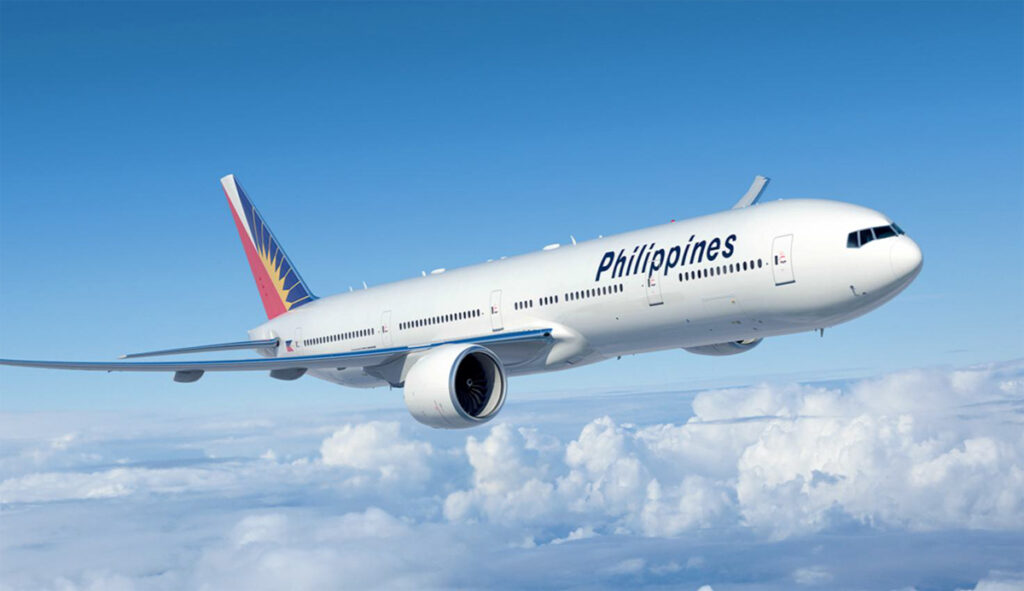
On 27 January 2020 Philippine Airlines announced that it would waive all change penalties for tickets to seven Chinese destinations, allowing travellers to postpone, reroute or cancel their trips without charge until 9 February. The waiver applies to flights between Manila and Beijing, Guangzhou, Hong Kong, Jinjiang, Shanghai, Macau and Xiamen that were booked for travel between 24 January and 9 February.
Passengers may obtain a full refund, shift their departure date or switch to another Philippine Airlines destination once without paying the usual USD 50‑150 change fee. Re‑booked itineraries must be completed by 30 June and are subject only to any fare difference if the new ticket costs more. Tickets bought through travel agents still need to be processed by the agent, but Philippine Airlines said it will waive its own service charge.
The airline’s spokesperson Cielo Villaluna told reporters, “We are carrying out this move to give our passengers with flights to and from China the flexibility to make adjustments in their travel plans.” Similar relaxations had already been offered by Cathay Pacific, Singapore Airlines and Japan’s ANA as carriers tried to stem a slide in bookings caused by the widening health scare.
Enhanced Airport Screening and Disinfection
Hours before the airline’s notice, the Bureau of Quarantine and the Manila International Airport Authority imposed mandatory aircraft fumigation on every inbound flight that originated from any Chinese city. Crews must spray the cabin and cargo hold while the aircraft is still on the tarmac and present a disinfection certificate before passengers are allowed to disembark.
The same agencies ordered that cockpits, galleys and toilets be wiped with a bleach solution before departure from Manila, a step that adds roughly 30 minutes to the aircraft turnaround time. Airport general manager Ed Monreal said the rules would remain in effect “until the danger subsides” and warned that non‑compliant carriers would be sent straight back to the parking bay. Immigration officers were also instructed to single out travellers holding Chinese passports for temperature screening, even if they had arrived via a third country.
Beijing’s embassy in Manila has not publicly challenged this practice.
International Response and Domestic Preparedness
The Philippines joined a growing list of governments that restricted or discouraged travel to mainland China after Wuhan mayor Zhou Xianwang acknowledged that his city had been slow to disclose human‑to‑human transmission. By 27 January Australia, the United States, Britain and Vietnam were advising their citizens to avoid all non‑essential trips, while Indonesia and Mongolia had cancelled visa‑free access