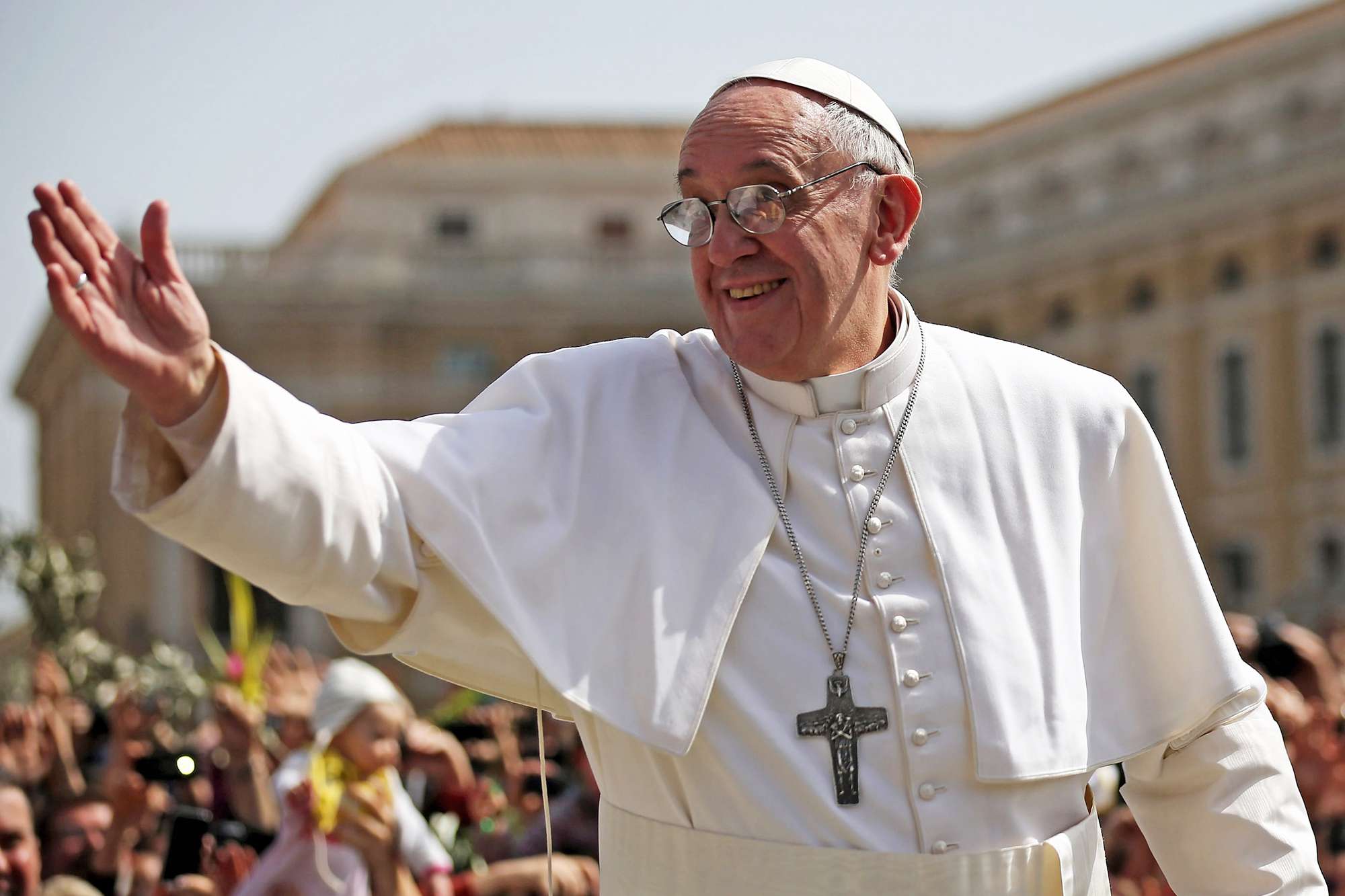
Pope Francis, the head of the Catholic Church and sovereign of Vatican City, passed away on April 21, 2025, marking the end of an era for the Catholic community worldwide. Born Jorge Mario Bergoglio on December 17, 1936, Pope Francis was a trailblazer in many ways, being the first Jesuit pope, the first Latin American, and the first pope born or raised outside Europe since the 8th-century Syrian pope Gregory III.
Born and raised in Buenos Aires, Argentina, to a family of Italian origin, Bergoglio’s journey to becoming the pope was inspired by his recovery from a severe illness in 1958, which led him to join the Jesuits. He was ordained a Catholic priest in 1969 and went on to hold various prominent positions within the Catholic Church, including serving as the Jesuit provincial superior in Argentina from 1973 to 1979. His rise through the ranks continued with his appointment as the archbishop of Buenos Aires in 1998 and his creation as a cardinal in 2001 by Pope John Paul II.
The 2013 papal conclave marked a significant turning point in Bergoglio’s career, as he was elected as pope on March 13, 2013, succeeding Pope Benedict XVI. Upon his election, he chose the papal name Francis in honor of Saint Francis of Assisi, setting the tone for his papacy, which would be characterized by humility, an emphasis on God’s mercy, and a commitment to interreligious dialogue. Throughout his tenure, Pope Francis was noted for his international visibility and his concern for the poor, migrants, and refugees, making him a beloved and respected figure globally.
One of the notable aspects of Pope Francis’s papacy was his effort to make the Catholic Church more inclusive. He made women and laymen full members of dicasteries in the Roman Curia, a move that reflected his commitment to reform and his belief in the importance of diverse perspectives within the Church. This decision was seen as a significant step forward in the Church’s evolution, acknowledging the valuable contributions that individuals from all backgrounds could make to its mission and governance.
As the Catholic Church and the world mourn the passing of Pope Francis, attention will inevitably turn to the future and the process of selecting his successor. The coming days and weeks will be crucial in determining the direction the Church will take, as the College of Cardinals convenes to elect a new pope. This conclave will be watched closely by Catholics and non-Catholics alike, as the new pope will face the challenge of building upon the legacy of Pope Francis while addressing the evolving needs and challenges of the global community.
Looking ahead, the Catholic Church is poised to enter a new era, one that will be shaped by the choices of its leaders and the evolving needs of its followers. As the world reflects on the life and legacy of Pope Francis, it is clear that his impact will be felt for generations to come. His commitment to humility, mercy, and dialogue has set a high standard for his successor, who will be tasked with navigating the complex challenges of the modern world while remaining true to the principles of the Church. As the Church moves forward, it will be important to watch how it balances tradition with the need for reform and innovation, ensuring that it remains a vibrant and relevant force in the lives of people around the world.