In Izmir, a restaurant’s propane tank exploded on June 30, 2024. Five people died. Sixty-three were hurt. The blast happened fast. The aftermath is slow.
Propane is C3H8. A three-carbon chain alkane. At room temperature and normal pressure, it is a gas. To store it, you compress it. Then it becomes liquid. That liquid wants to be a gas again. If a tank fails, the liquid flashes to vapor. It expands rapidly. That expansion is the explosion. The chemistry is simple. The consequences are not.
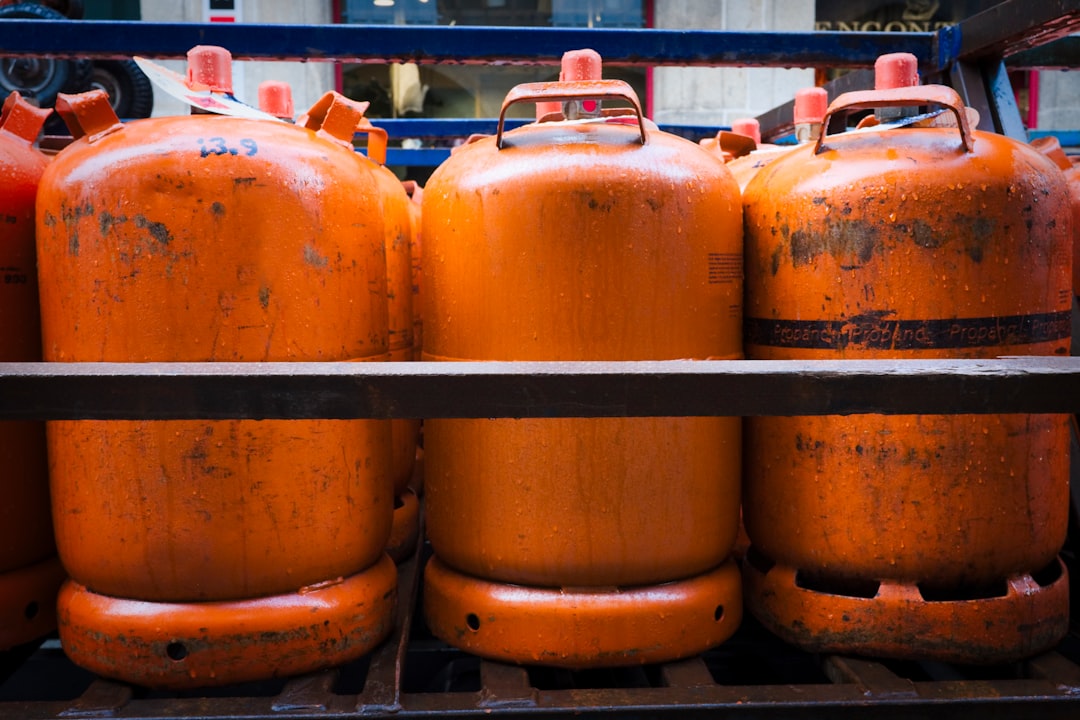
This fuel is everywhere. It sits in tanks behind restaurants. It powers buses. It heats homes. Propane is the main component of liquefied petroleum gas, or LPG. LPG can also contain propylene, butane, butylene, butadiene, isobutylene. The mix varies. The danger does not.
Propane’s history goes back to 1857. A French chemist, Marcellin Berthelot, found it. By 1911, it was sold in the United States. For over a century, people have stored this stuff. For over a century, tanks have blown. The pattern is old.
The tank in Izmir held compressed liquid. The storage system failed. The gas escaped. It found an ignition source. The fireball killed five people. Dozens more were burned or hit by debris. The restaurant is gone. The street is scarred. The number of dead is five. The number of injured is 63. Those numbers are fixed. The investigation is not.
Propane has a lower volumetric energy density than gasoline. That means you need bigger tanks to get the same energy. Bigger tanks mean bigger potential failures. More surface area. More stored energy. More to go wrong. The physics does not favor the careless.
Propane is a by-product. It comes from natural gas processing. It comes from petroleum refining. The supply chain is long. Extraction. Separation. Compression. Transport. Storage. Handling. Each step is a chance for a leak. Each leak is a chance for a spark. Each spark is a chance for what happened in Izmir.
Sixty-three injured. Five dead. The people of Izmir are now living with the aftermath. The question of safety protocols sits at the center of it. What was the condition of the tank? Who inspected it last? When? Was it a leak from a fitting? A corroded valve? A tank left too long in the sun? The report gives no answers. Only the facts of the event and the chemistry of the fuel.
The restaurant is gone. The tank is a twisted piece of metal. The investigators will pick through it. They will look for the point of failure. They will trace the supply chain backward. They will ask who maintained the system. They will ask who trained the staff. They will ask what could have been different.
Five families will not get answers that matter. Sixty-three people will carry scars. The rest of Izmir will carry the memory of the sound. The blast was loud. The fire was hot. The propane did what propane does when contained improperly. It expanded. It burned. It killed.