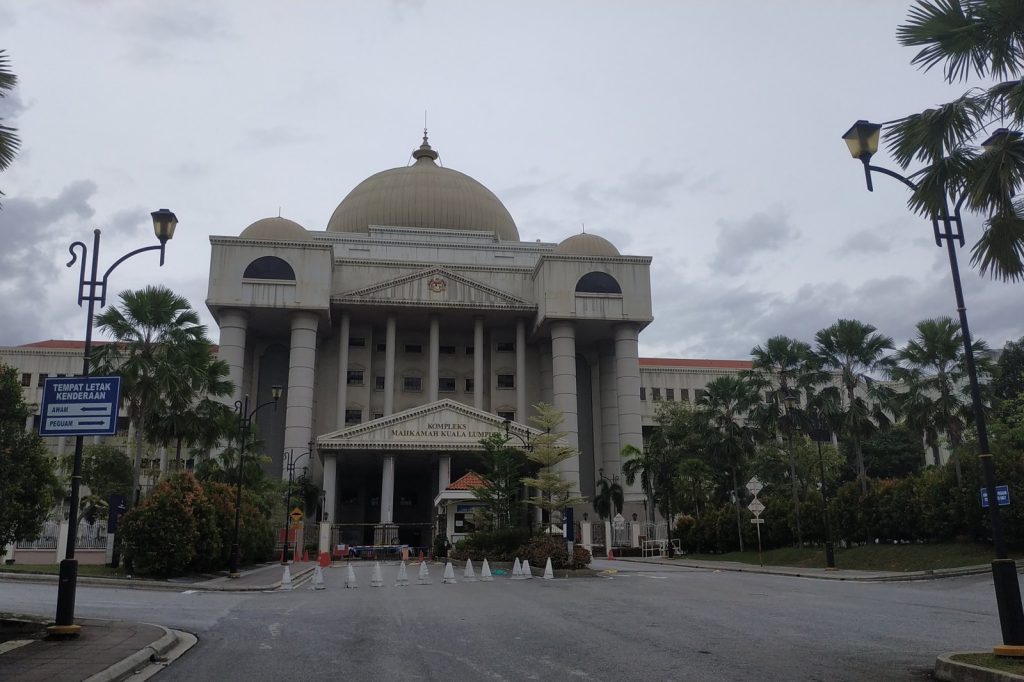
KUALA LUMPUR, June 23 — Investment firm QEW Group Bhd and its two directors told the High Court here that the 111 investors suing them for a substantial amount of money are not victims but “sophisticated investors” who knowingly accepted the risks of a speculative product. The defendants, in their statement of defence filed by Ahnaf Zaimi & Co, said QEW’s Redeemable Preference Shares-i (RPS-i) scheme was a structured product targeted at sophisticated investors and typically required a significant minimum investment.
They said the plaintiffs met the Securities Commission Malaysia’s criteria for sophisticated investors, which suggests they had a certain level of financial expertise and understanding of investment risks. A significant number of investors, aged between a relatively young age and a very advanced age, filed suit in April, seeking the return of their investment capital and declarations that directors Iqbal Mohamad and Fairoz Muhammed had orchestrated a fraudulent scheme and acted negligently.
The plaintiffs are also seeking a considerable amount of money in special damages, as well as exemplary and aggravated damages, and interest at a fixed rate per year until full settlement. The defendants rejected the claims that the scheme guaranteed capital protection or profits, calling such assertions “wholly illogical” and inconsistent with the commercial nature and actual structure of the RPS-i agreement. They said the agreement expressly disclosed that subscribers could lose their entire investment, which suggests that the investors were aware of the potential risks involved.
It is worth examining the details of the RPS-i agreement to understand the nature of the investment and the risks involved. The defendants argued that the plaintiffs had signed warranties confirming their eligibility as sophisticated investors, which implies that they had a certain level of understanding of the investment risks.
A short and straightforward fact is that the defendants are denying any wrongdoing, and the case is now in the hands of the High Court. The court will have to examine the evidence and determine whether the investors were indeed sophisticated and aware of the risks, or whether they were misled by the defendants. As the case unfolds, it will be important to watch how the court interprets the RPS-i agreement and the role of the Securities Commission Malaysia in regulating such investment schemes.
The outcome of this case could have significant implications for the investment industry and the protection of investors’ rights. Patients who have invested in similar schemes should talk to their financial advisors to understand the risks involved and the potential implications of this case. The encouraging part is that the court system is in place to protect investors’ rights, and the outcome of this case will provide clarity on the responsibilities of investment firms and their directors.
As we look to the future, it is essential to approach investment schemes with caution and carefully evaluate the risks involved. Investors should always consult with their financial advisors and do their due diligence before making any investment decisions.
With the right guidance and support, investors can make informed decisions and protect their financial interests. In conclusion is not the right approach here, instead, the focus should be on the facts of the case and the potential implications for investors. As the case progresses, it will be crucial to follow the developments and understand the court’s decision.
For now, investors should remain cautious and consult their financial advisors to understand the risks involved in investment schemes like the RPS-i. Hope and caution are essential when it comes to investment schemes, and investors should always prioritize their financial well-being.
As the situation unfolds, it is crucial to stay informed and consult with financial experts to make the best decisions. Hope for a positive outcome, and consult your doctor or financial advisor for personalized advice.