7,300 Evacuated as Wildfires Close In on Quebec’s ‘Gathering Place’
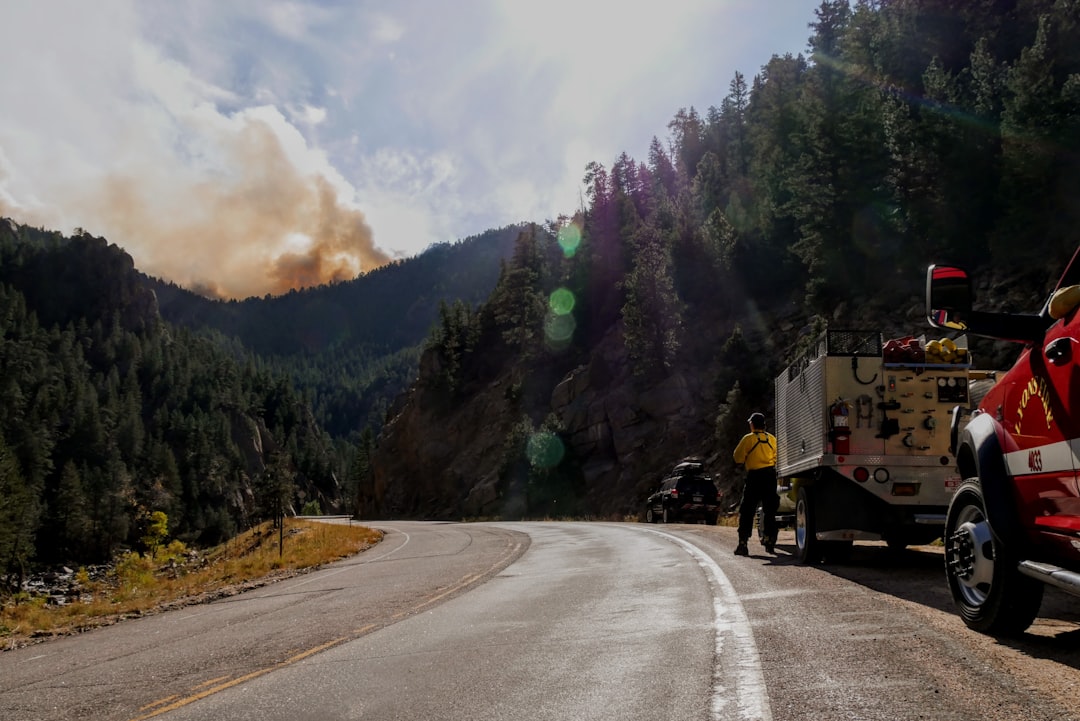
CHIBOUGAMAU, Quebec — The name itself means “gathering place” in Cree. On June 7, 2023, that place emptied out. A mandatory evacuation order sent roughly 7,300 residents streaming out of Chibougamau, the largest town in the Nord-du-Québec region, as two wildfires burned dangerously close.
The order was precautionary, officials said. But for a town of 7,233 people — sitting on the shores of Lake Gilman, surrounded by wilderness — precaution is the only play. There is no room for error when the forest is that close and the wind that strong.
This is not a city with suburbs to retreat into. Chibougamau is remote, far from Lac Saint-Jean and Abitibi-Témiscamingue. It is a hub, though. The town serves smaller communities — Mistissini, Oujé-Bougoumou, Chapais. When Chibougamau evacuates, those places feel it too. Essential services shut down. The regional resource economy, built on mining and forestry, goes quiet.
The irony is hard to miss. The same remoteness that makes Chibougamau a vital regional center also makes it vulnerable. Dry conditions and strong winds — the report notes both — turn the surrounding boreal forest into a fuse. The exact cause of these fires was not specified. It rarely is at the start. But the conditions were right. They were always right.
Residents packed what they could. The 2021 census counted 7,233 people living in Chibougamau. The evacuation order covered that number plus a few dozen more — people from outlying areas, maybe, or workers lodged temporarily. Either way, the roads out carried a town’s worth of traffic.
Officials are monitoring. That is the standard line. They will provide updates as the situation unfolds. But monitoring does not stop a fire. It only tells you where it is going.
Chibougamau has been a meeting point for indigenous communities for generations. The Cree name stuck for a reason. People came here to trade, to talk, to survive. Now they are leaving to survive. The gathering place is scattered.
The town’s infrastructure is robust, according to the report. It has to be. You cannot run to the next town for a gallon of milk when the next town is 200 kilometers of bush away. But no amount of robust infrastructure stops a wildfire. Concrete and steel do not matter when the air itself is smoke.
For the resource-based industries that prop up the local economy, this evacuation is a direct hit. Mines stop. Timber stands untouched. Every day the fire burns is a day of lost production. The town will recover — it always has — but recovery takes time. And time is something people in an evacuation zone do not have much of right now.
The evacuation order was clear. Mandatory. No ambiguity. Seven thousand three hundred people — the number is precise because the planning had to be precise. You do not guess at a number like that. You count heads, you count cars, you count the hours it will take to move them all.
Chibougamau is no stranger to risk. The report says that plainly. Living in a wildfire-prone region means accepting that one summer, maybe this summer, the fire will come. On June 7, it did. The gathering place became the leaving place. And now everyone waits.