
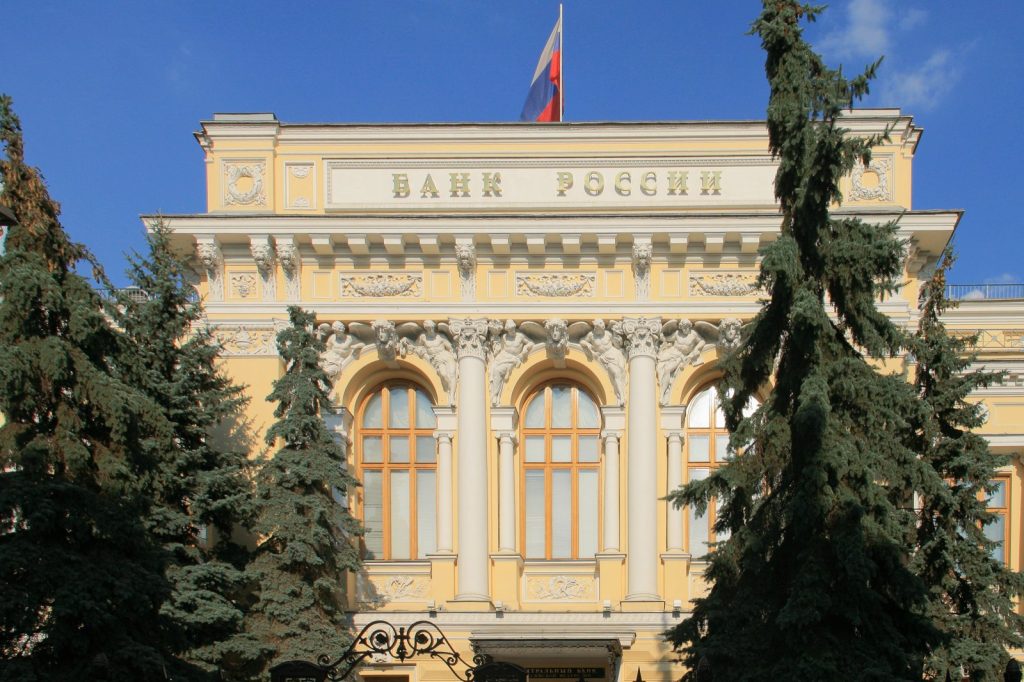
The mechanics here are blunt: after a near month-long shutdown, the Moscow Exchange reopened on March 24 for a truncated session covering just 33 of 50 MOEX index constituents. Trading ran for four hours and ten minutes. Short-selling was banned. Foreign investors were barred from selling shares or OFZ rouble bonds until April 1 — a restriction the central bank had already imposed in late February by blocking brokers from executing their sell orders.
Follow the money: the MOEX index rose 4.4 percent on the day, but the gain was almost certainly engineered. The sovereign wealth fund was instructed to direct up to $10 billion into local equities to prop up prices. The White House dismissed the session as a Potemkin market opening. Daleep Singh, Washington’s deputy national security adviser for international economics, warned that America and its allies would keep taking action to isolate Russia from the international economic order so long as the war in Ukraine continues.
On closer reading, the structural damage runs deeper. The London Stock Exchange suspended 27 Russian-linked companies on March 3; Rosneft shares collapsed and Sberbank shares plummeted. Domestically, the National Wealth Fund may buy up to 1 trillion rubles of shares by year-end, but the ruble remains weak, foreign capital has fled, and the war shows no sign of ending. For the typical U.S. investor, exposure was already negligible. The catch is that the reopening changes little: a restricted, state-supported session cannot mask a market cut off from the world. Abroad, Russian equities were removed from indexes after their value collapsed. Energy shares rose in Moscow — Gazprom jumped 13 percent, Rosneft climbed about 17 percent, Novatek 19 percent — while VTB fell nearly 6 percent and Aeroflot dropped 16 percent.
The central bank said trading would take place between 0650 and 1100 GMT in blue chips including state lenders Sberbank and VTB, energy majors Rosneft and Gazprom. The session marked the first trading opportunity since February 25, the day after the invasion began. Before the halt, the index had dropped to a record low, then partly rebounded. The central bank estimated retail investors owned trillions of rubles of Russian equities as of late 2021. The Moscow Exchange’s market capitalisation stood at hundreds of billions of dollars at year-end, a fraction of the trillions listed on the New York Stock Exchange.
Sources
- Reuters: Foreigners banned from selling Russian stocks as market set for limited reopening – Finadium
- Russia’s Stock Index Reopens After Monthlong Closure – The New York Times




