The World Health Organization (WHO) has been informed of the first-ever outbreak of Marburg virus disease (MVD) in Rwanda, as reported on 28 September 2024. This development marks a significant health concern for the country, with the WHO and local authorities closely monitoring the situation. The Marburg virus disease is a severe and highly infectious illness, and its emergence in Rwanda warrants a thorough and immediate response.
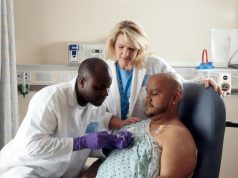
According to available information, the majority of cases have been identified among healthcare workers, particularly those working in intensive care units. This is a critical aspect of the outbreak, as healthcare workers are not only at risk of contracting the disease but also play a crucial role in controlling its spread. The fact that many cases have been reported among medical personnel highlights the need for enhanced protective measures and protocols to prevent further transmission within healthcare settings.
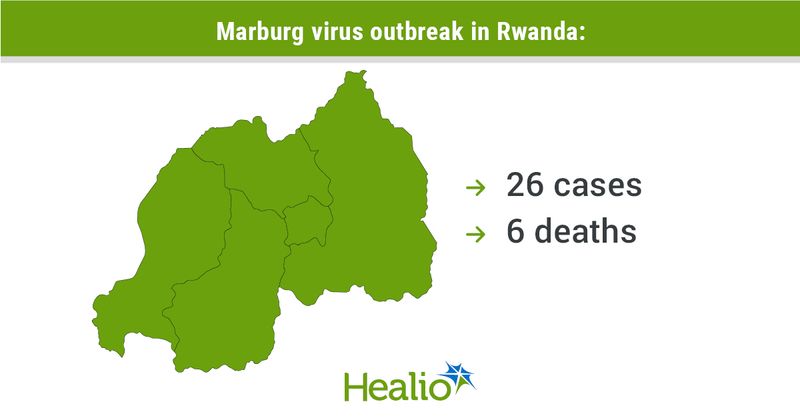
The geographical distribution of the outbreak is also noteworthy, with cases reported in seven of Rwanda’s 30 districts. The City of Kigali has been particularly affected, with three districts in the city reporting the highest number of cases. This concentration of cases in the capital city underscores the importance of targeted interventions and resource allocation to combat the outbreak effectively. The WHO and local health authorities are likely to focus their efforts on these areas to contain the spread of the disease.
As of the current date, there are 58 confirmed cases of Marburg virus disease, with 13 fatalities reported. These numbers are subject to change as the situation continues to evolve, and health authorities are working to confirm additional cases and implement control measures. The WHO’s involvement in the outbreak response is crucial, given the organization’s expertise in managing infectious disease outbreaks and its ability to provide technical guidance and support to local authorities.
The response to the outbreak will likely involve a range of measures, including enhanced surveillance, contact tracing, and infection control protocols. Healthcare workers will need to be equipped with personal protective equipment (PPE) and trained on the safe handling of patients suspected of having Marburg virus disease. The general public will also need to be informed about the risks associated with the disease and the steps they can take to protect themselves. Effective communication and community engagement will be essential in preventing the spread of misinformation and promoting cooperation with health authorities.
Looking ahead, it is essential to continue monitoring the situation closely and responding promptly to any developments. The WHO and local authorities will need to remain vigilant and adapt their response strategies as needed to control the outbreak. As the situation unfolds, it will be crucial to watch for updates on the number of cases, the effectiveness of control measures, and any changes in the geographical distribution of the outbreak. The international community will also be observing the response efforts, and it is likely that additional support and resources will be mobilized to assist Rwanda in combating the Marburg virus disease outbreak.