The drought gripping southern Africa is not merely a weather event. It is a slow-motion machinery of destruction, one that grinds up crops, livestock, and whole ecosystems in its path. Twenty million people now face hunger. That number alone—20 million—is the story, but the real narrative lies in what that number means on the ground.
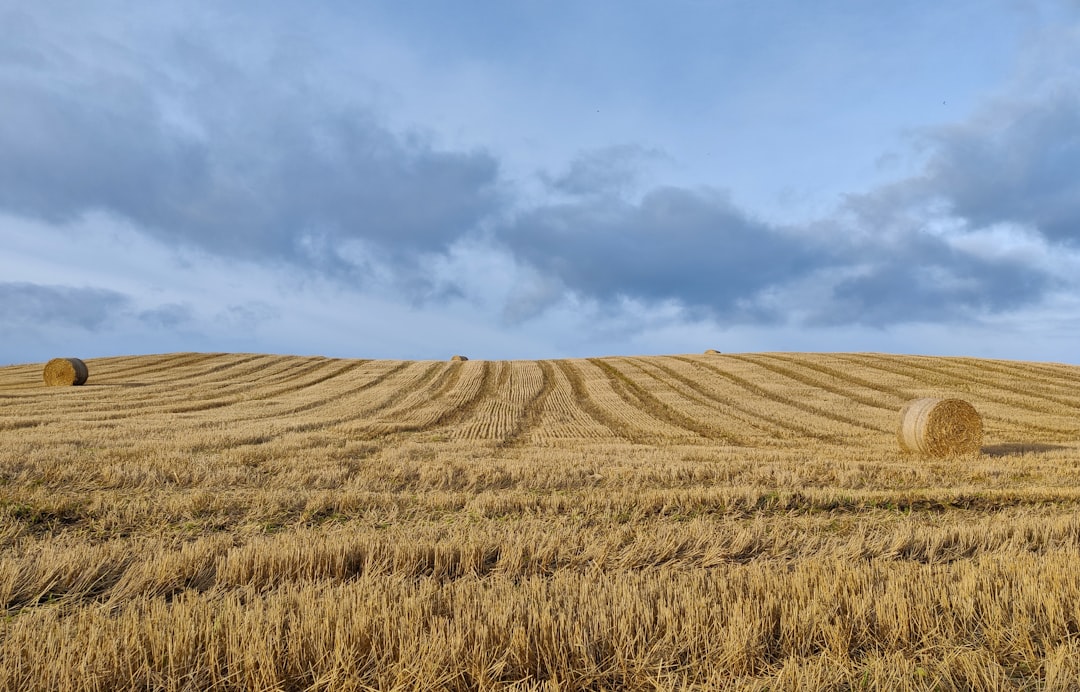
Agricultural land has turned brittle. The region’s economy, heavily dependent on farming, is taking a direct hit. Crop failures are widespread. Livestock productivity has dropped. Water availability has shrunk. These are not separate problems; they are linked consequences of the same dry, unrelenting conditions. When the rains fail, the entire system falters.
The drought’s grip extends beyond human hunger. Biodiversity is under threat. Drought conditions alter the delicate balance of ecosystems. Species composition shifts. In extreme cases, extinctions become a real possibility. The report notes that these effects can be long-lasting. The land does not bounce back quickly.
Heat waves are making things worse. They increase evapotranspiration, a process that pulls moisture from soil and plants. Forests and other vegetation dry out. This creates fuel. The region faces increased wildfire risks, especially during the annual dry season in the tropics. A vicious cycle sets in: drought dries the land, heat bakes it, and fire consumes what is left.
Some scientists argue that climate change is driving these extremes. Droughts are becoming more severe and less predictable. The report does not name these scientists or provide their data. But the argument stands on its own logic. A warmer atmosphere holds more moisture. It pulls water from the land faster. It makes drought deeper and heat waves hotter.
The consequences are not abstract. They are felt in daily life. Families have less food. Farmers have fewer animals. Water sources run low. The report states that 20 million people are struggling with hunger. That is not a prediction. It is a current reality.
This is not the first drought southern Africa has endured. But the scale is new. Twenty million people is roughly the population of Australia. It is more than the population of Chile. It is a number that should stop any reader cold.
The drought also threatens the region’s biodiversity. Ecosystems are complex. Remove water, and the balance tips. Some species thrive in dry conditions. Others do not. The losers may not return. The report warns of potential extinctions. That is not hyperbole. It is a documented outcome of prolonged drought.
The wildfire risk is another layer. Dry vegetation is tinder. A single spark can turn a drought-stricken forest into an inferno. The dry season in the tropics is the danger window. The report ties this directly to the drought and heat wave cycle. It is a predictable pattern, but predictability does not make it less destructive.
The economic hardship is immediate. Agriculture drives local economies. When it fails, everything else suffers. Food shortages drive up prices. Incomes drop. The ripple effect touches everyone, not just farmers.
The report does not offer solutions. It does not name aid agencies or governments. It simply lays out the facts. Twenty million people. Crop failures. Livestock losses. Water scarcity. Biodiversity threats. Wildfire risks. These are the pieces. The drought is the force that assembles them into a crisis.
The region waits for rain. But rain alone may not be enough. The damage done by months or years of drought does not wash away in a single storm. Recovery takes time. For 20 million people, time is running short.