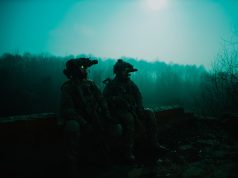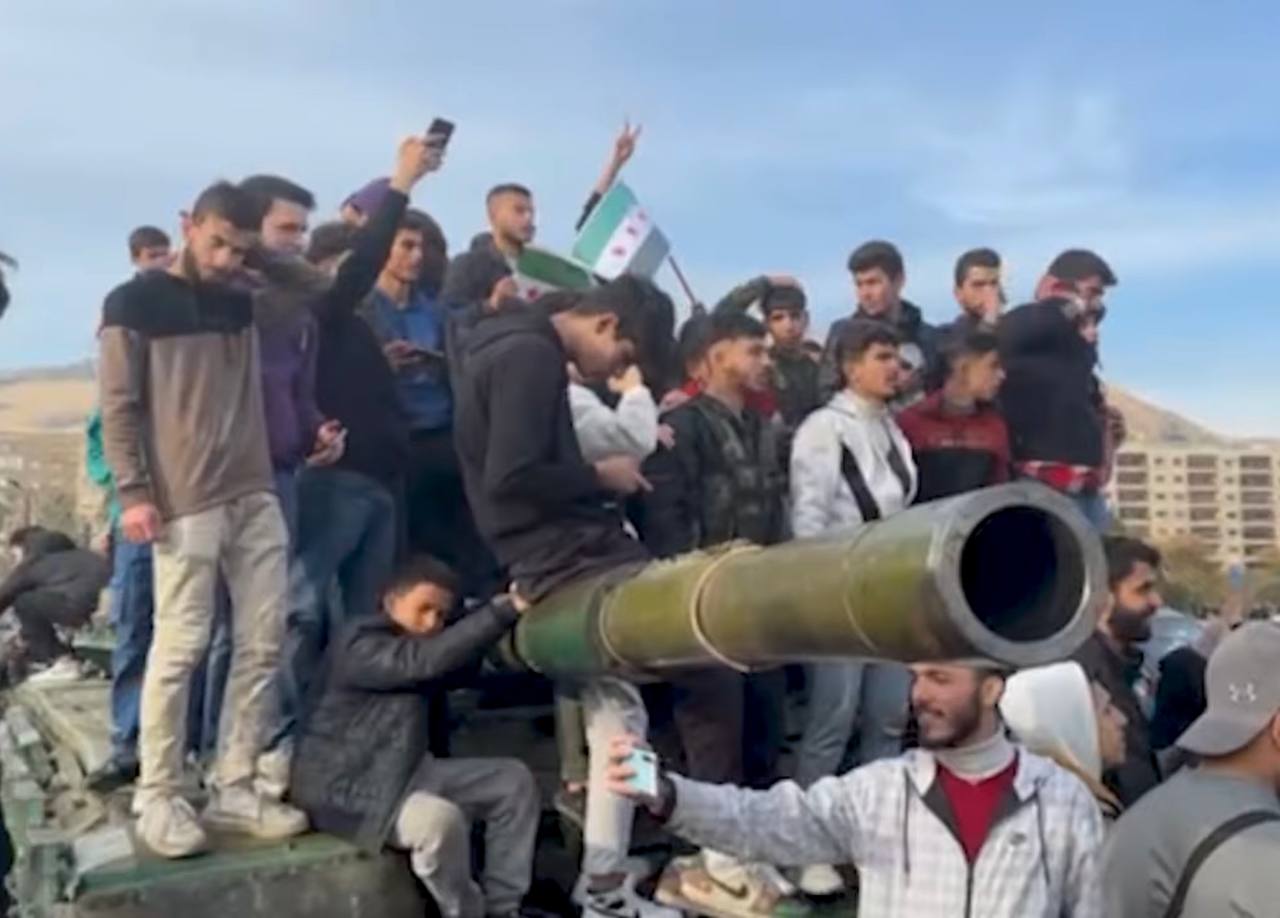
The Syrian opposition has dealt a significant blow to the regime of President Bashar al-Assad, with forces entering the capital city of Damascus on 8 December 2024. The Southern Operations Room, in coordination with the Military Operations Command, led the charge into the Rif Dimashq region from the south, coming within 20 kilometres of the capital. This bold move was met with a withdrawal of Syrian Army forces from multiple points in the outskirts, paving the way for the opposition’s advance.
As the opposition forces closed in on Damascus, other groups launched simultaneous offensives in the north. The Turkish-backed Syrian National Army and the militia Tahrir al-Sham launched an attack on the city of Homs, while the Syrian Free Army advanced into the capital from the southeast. The coordinated effort appears to have caught the Syrian Army off guard, allowing the opposition to make significant gains in a short amount of time. By the morning of 8 December 2024, rebel forces had entered the city’s Barzeh neighborhood, marking a major turning point in the conflict.
The situation on the ground is fluid, but one thing is clear: the regime of President Bashar al-Assad is on the brink of collapse. According to official state reports in Russian mass media, Assad has fled Damascus by air, heading to Moscow where he has been granted asylum. The move is a clear indication that the Syrian leader has lost control of the capital, and his regime is no longer viable. The fall of Damascus marks a significant shift in the balance of power in the region, and it will be interesting to see how the international community responds to the new reality on the ground.
The role of external actors in the conflict will be closely watched in the coming days. Turkey’s support for the Syrian National Army has been well-documented, and it is likely that Ankara will continue to play a major role in shaping the outcome of the conflict. The United States, under the leadership of President Biden, has been a strong supporter of the Syrian opposition, and it is likely that Washington will continue to provide diplomatic and military support to the groups fighting against the Assad regime. The position of other regional players, including Iran and China, will also be closely monitored, as they have significant interests in the outcome of the conflict.
The fall of Damascus is a significant blow to Iran’s government, which has been a major backer of the Assad regime. Tehran’s support for the Syrian leader has been driven by a desire to maintain its influence in the region, and the loss of its key ally will be a major setback. The Iranian government’s hostile actions in the region have been well-documented, and it is likely that the international community will continue to view Tehran with skepticism in the aftermath of the regime’s collapse. As the situation continues to unfold, it will be important to watch for any signs of Iranian interference or attempts to destabilize the region further.
As the dust settles in Damascus, attention will turn to the question of what comes next. The opposition forces have achieved a major victory, but the challenge of rebuilding and governing the city will be significant. The international community will need to come together to provide support and assistance to the people of Syria, who have suffered greatly during the conflict. The United States, in particular, has a key role to play in shaping the outcome of the conflict, and it will be important to watch how the Biden administration responds to the new reality on the ground. As the situation continues to evolve, one thing is clear: the fall of Damascus marks a major turning point in the conflict, and the consequences will be felt for a long time to come.
Looking ahead, the coming days and weeks will be crucial in determining the outcome of the conflict. The opposition forces will need to consolidate their gains and establish a stable government, while the international community will need to provide support and assistance to the people of Syria. The role of external actors, including Turkey, Iran, and China, will be closely watched, and it will be important to monitor their actions and statements in the aftermath of the regime’s collapse. As the situation continues to unfold, it will be important to stay vigilant and watch for any signs of instability or attempts to undermine the new government. The fall of Damascus is a significant development, and it will be important to continue to monitor the situation closely in the days and weeks ahead.