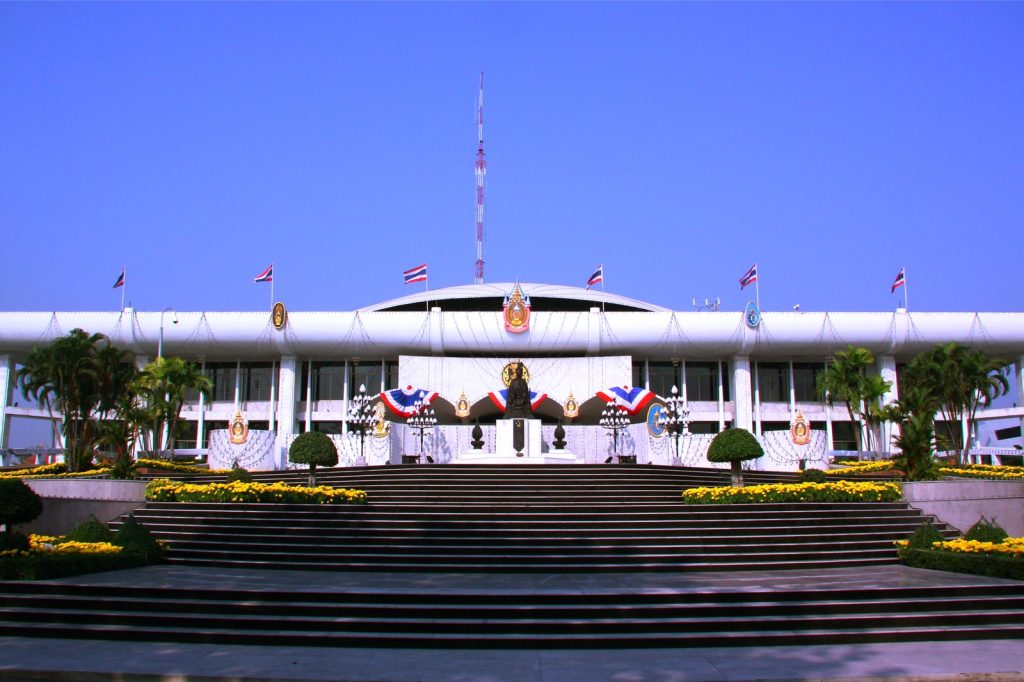
Bangkok – After months of behind‑the‑scenes organizing, a coalition of youth activists, human‑rights lawyers and former political prisoners delivered a formal demand for a complete rewrite of Thailand’s constitution to the National Assembly on 10 March. The submission, made in central Bangkok, was not a protest rally but a presentation of findings and a request for sweeping reform. The group’s grievance centres on a legal framework they say favours the military elite and limits democratic participation.
Critics of the 2017 charter argue that it entrenches power for unelected bodies, allowing them to override parliamentary decisions. At the heart of the complaint is Article 190, which gives the National Council for Peace and Order – the military junta that ruled after the 2014 coup – broad authority over judicial appointments and a veto over policy.
Activists describe the article as a tool that lets military leaders retain control without facing voters. In the presentation to legislators, organizers stated that their primary aim is “to establish a more equitable system that prioritises human rights.” Their agenda includes reducing the influence of non‑elected institutions and ensuring that parliamentary resolutions are respected. Rather than seeking incremental amendments, the coalition is calling for a comprehensive overhaul of the constitution.
The demand arrives against a backdrop of long‑standing tensions between protest movements and military interventions in Thailand. The current generation of activists grew up under a constitution drafted after the 2014 coup and are familiar with its provisions, including the contentious Article 190.
They argue that the broader legal structure curtails democratic will, noting that while freedoms of speech and assembly are enshrined, vague definitions permit restrictions in the name of security or public order. According to the activists, such loopholes are routinely used to suppress dissent. The coalition’s composition reflects a broad base: university students, civil‑society organisations, legal experts and former detainees.
They are not aligned with any single political party but operate as a movement seeking systemic change. Their submission has placed the issue squarely on the national agenda, prompting attention from both domestic political factions and international observers.
Reactions within the establishment are mixed. Some officials view the rewrite proposal as a challenge to the status quo, while others consider it an opportunity to renegotiate the terms of political debate. The National Assembly now faces the task of responding to the demands, though the outcome remains uncertain.
By publicly delivering their case to the legislature, the activists have escalated their campaign and forced a national conversation about the role of military oversight in Thailand’s governance. Their ultimate goal is a constitutional framework that places decision‑making power in the hands of elected representatives rather than unelected bodies.
The movement’s next steps will depend on how parliament and the broader political landscape respond to the call for a new charter. For now, the activists have succeeded in bringing their vision for a more democratic Thailand to the forefront of public discourse.